
Last updated November 23, 2026
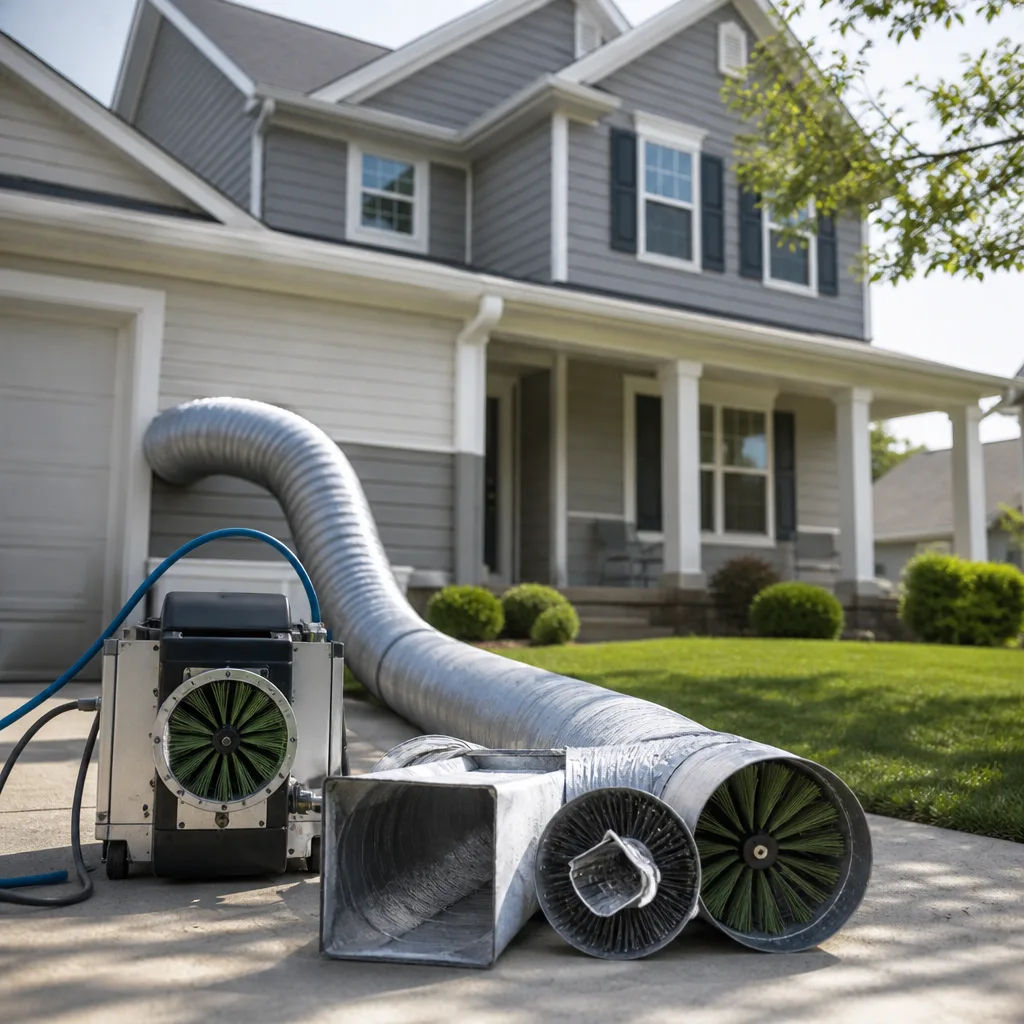 Whole-home duct cleaning
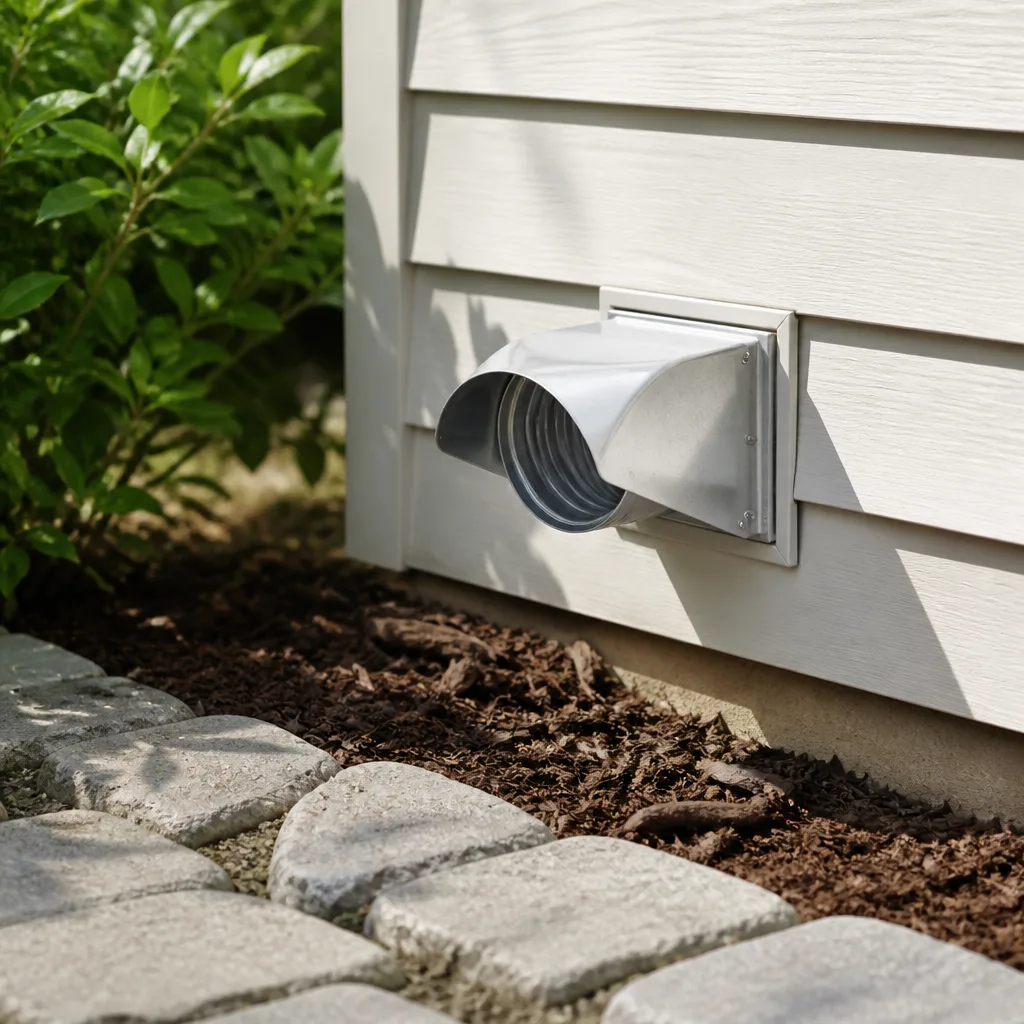 Dryer vent cleaning
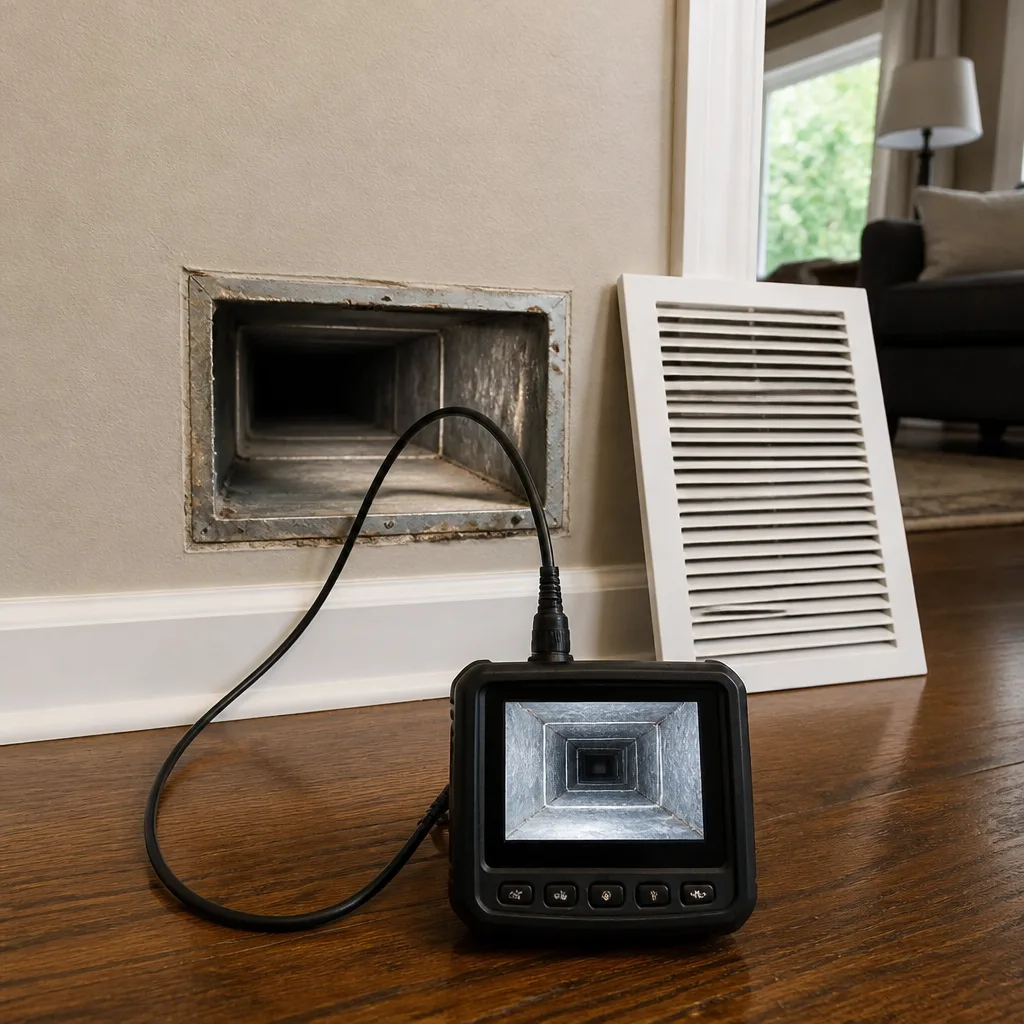 Camera inspection
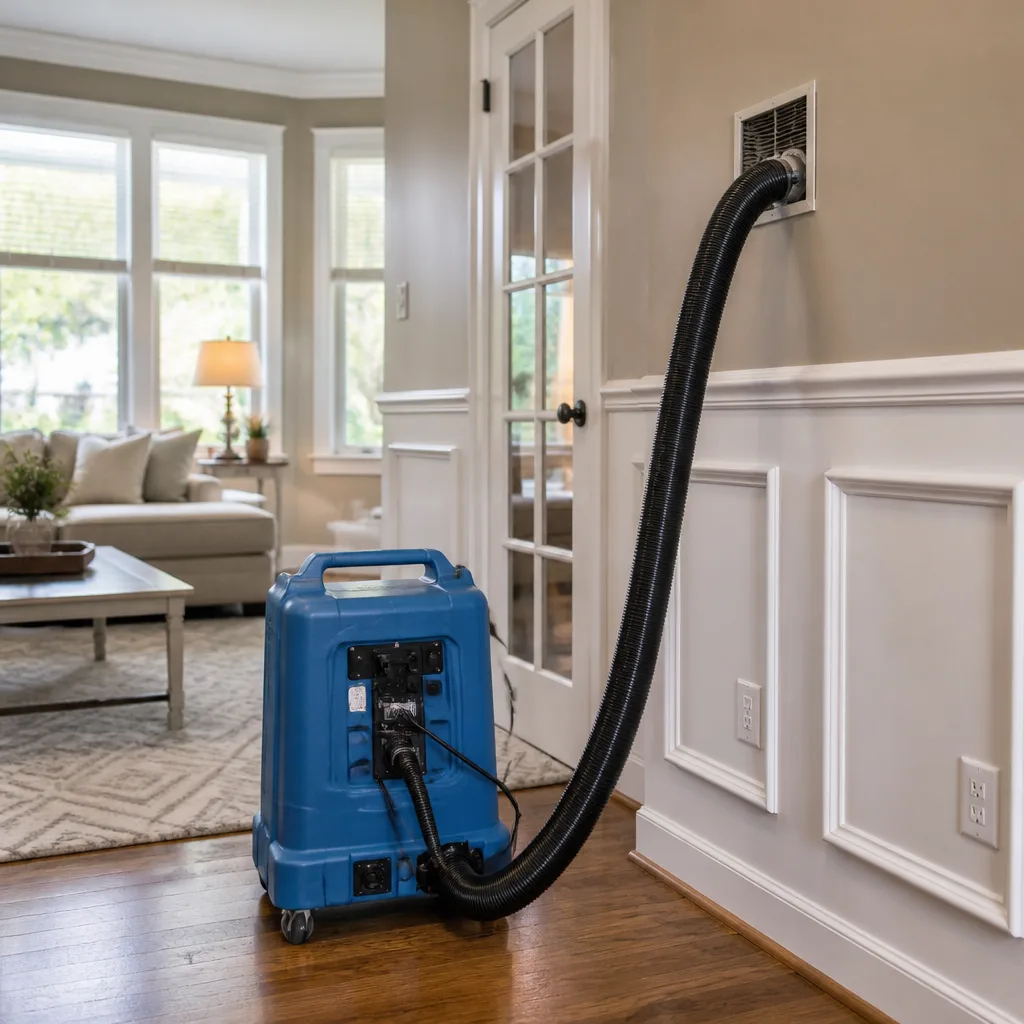 Sanitizing & deodorizing
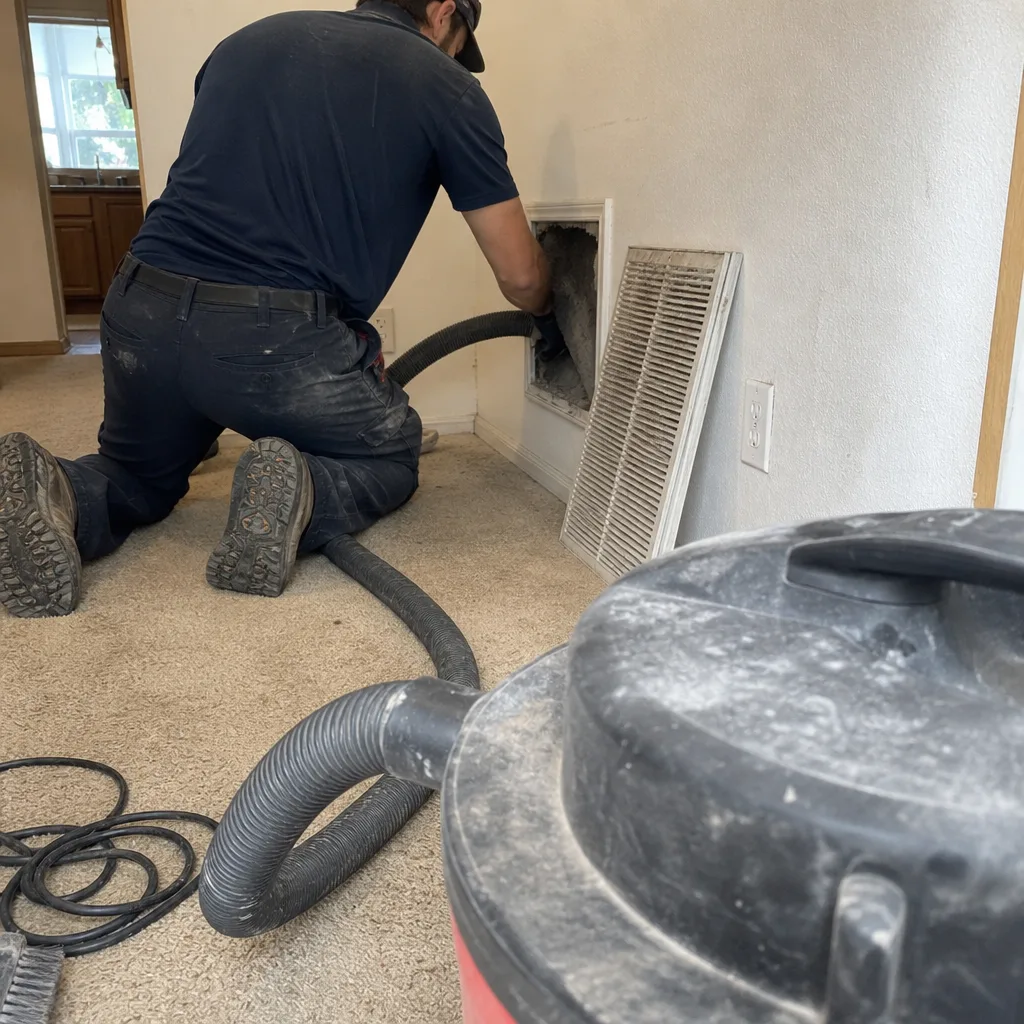
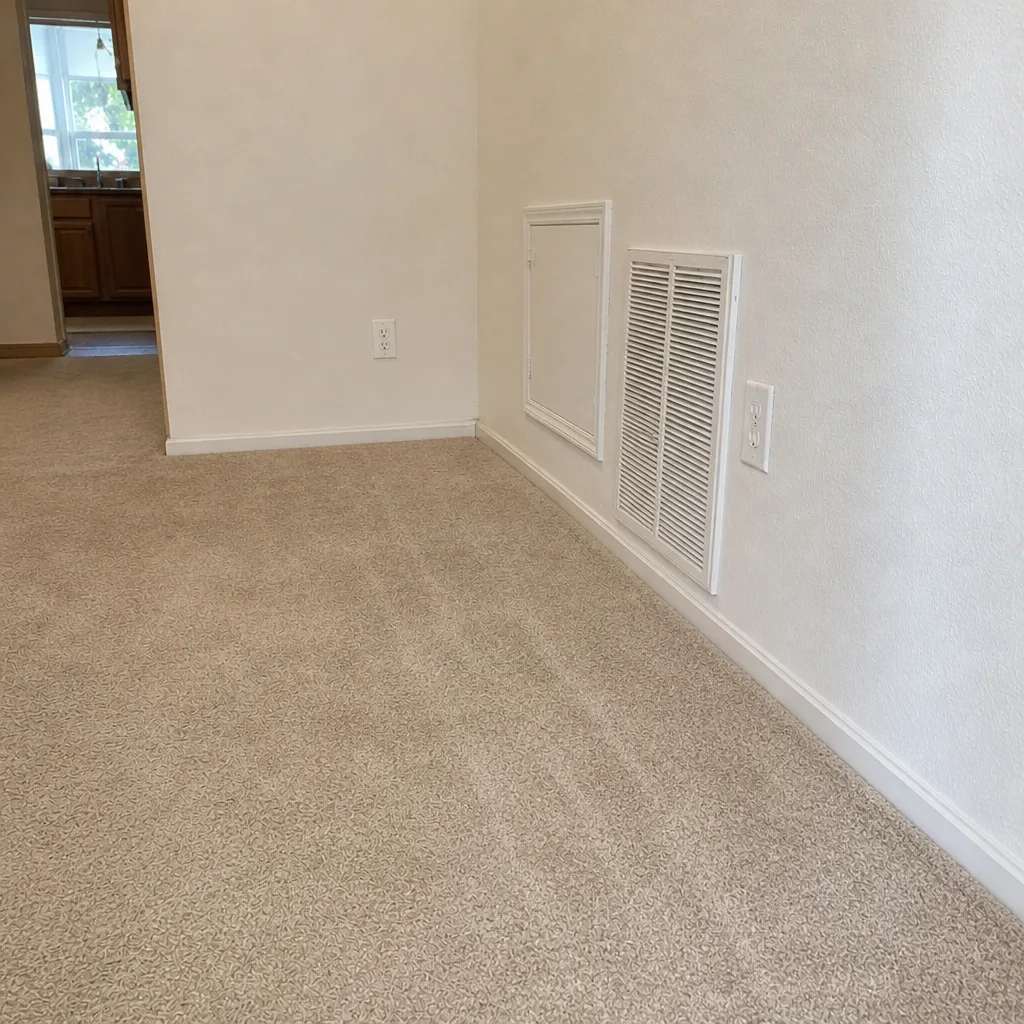
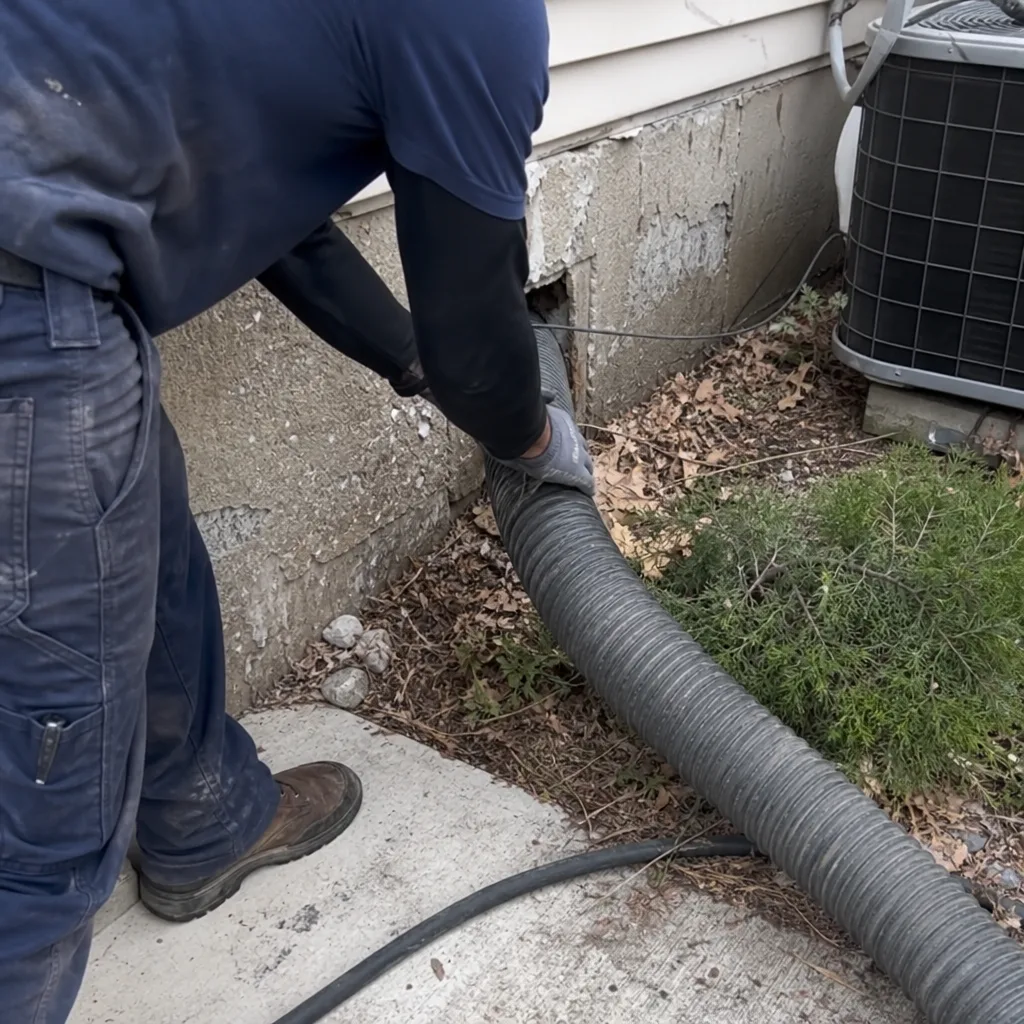
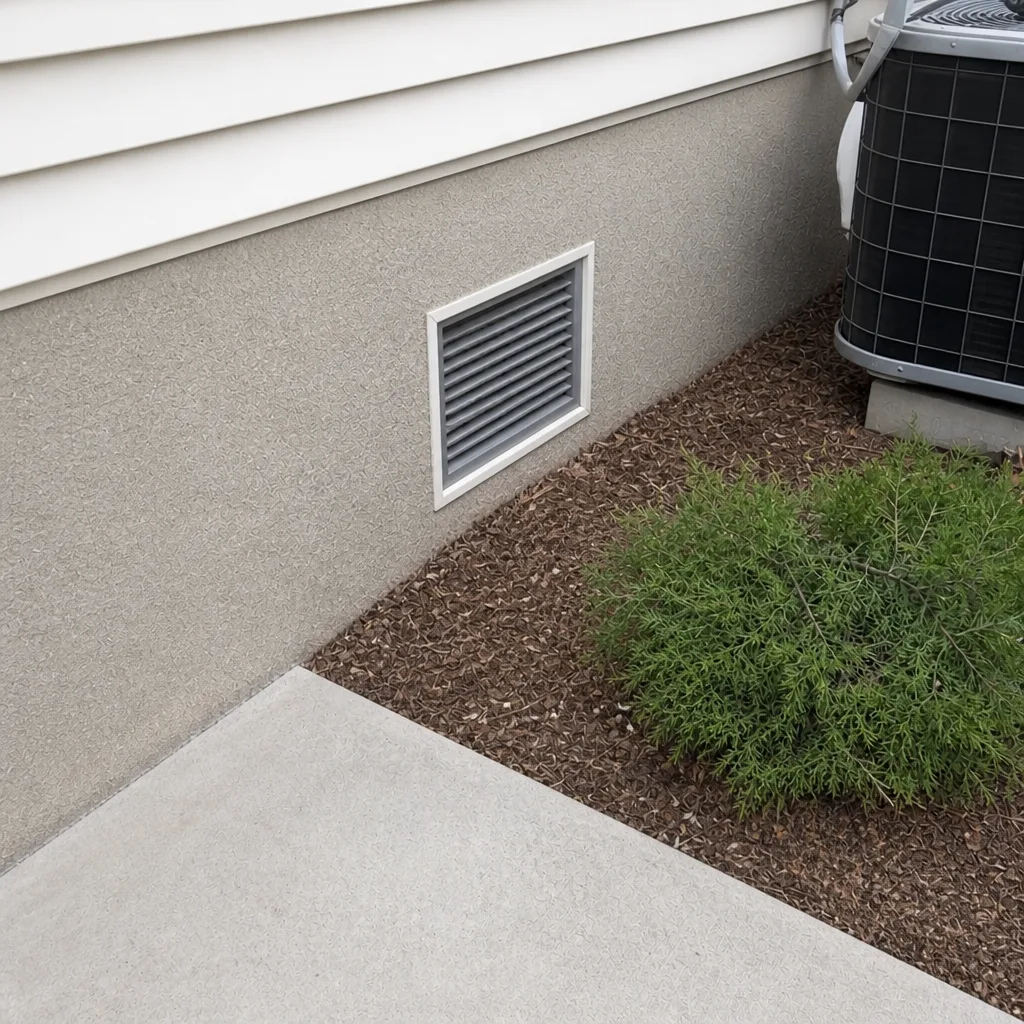
Whole-system duct and dryer vent check with before-and-after photos - you see exactly what came out of your vents
That "$99 whole-house special" is a bait ad - the real number appears once they are in your hallway, or the "clean" is a shop-vac at the register. We photograph the inside of your ducts before and after instead.
How to Hire an Air Duct Cleaning Contractor in Draper: A Step-by-Step Guide
There is no Utah state license that is specific to air duct cleaning. That single fact changes everything about how you hire in Draper. Any person with a van and a shop vacuum can legally print “air duct cleaning” on a business card and knock on your door. The difference between a bait-and-switch and a professional job has almost nothing to do with the price on the ad. It’s what shows up in your driveway. This guide gives you a contractor interview framework: the exact questions to ask, how to read the answers, and how to protect yourself before anyone climbs into your attic.
Quick Answer
To hire an air duct cleaning contractor in Draper, the most reliable step is to ask about equipment brand by name, whether negative pressure is established before agitation begins, how many technicians will be on the job, and whether you’ll receive before-and-after photos. A written scope of work should be issued before work begins, with a flat price per system rather than per-vent pricing. Use NADCA membership as one data point, not a stamp of approval on its own, and be skeptical of any “whole house” price that gets adjusted once the technician is inside.
Styles & brands we work with
- Whole-home duct cleaning
- Dryer vent cleaning
- Camera inspection
- Sanitizing & deodorizing
Table of Contents
- Why Air Duct Cleaning Is Largely Unregulated in Utah
- The Five Questions Every Draper Homeowner Should Ask Before Booking
- What NADCA Membership Actually Means (And What It Doesn’t)
- The $49 Bait-and-Switch Pattern in the Draper Area
- Why Equipment Brand Names Matter More Than a Sales Pitch
- What a Written Scope of Work Should Say
- Red Flags Before Your Technician Arrives
- What Recourse Looks Like If the Work Is Substandard
Why Air Duct Cleaning Is Largely Unregulated in Utah
Utah does not issue a specific license for air duct cleaning. The work falls loosely under general contractor rules, but no state agency inspects the equipment, verifies training, or sets minimum standards for what “cleaned” means on a residential system. In practical terms, that means the vetting burden sits entirely with you, the homeowner in Draper. The stakes are real: the same ductwork that carries conditioned air to your bedroom in every season also carries whatever the previous contractor left behind.
The good news is that the industry has professional standards even when the state doesn’t enforce them. The Air Duct Cleaning Association (NADCA) publishes a formal standard for HVAC cleaning that describes what a proper job includes: establishing negative pressure, agitating the entire interior surface of the ductwork, using HEPA filtration, and verifying the result. Those standards exist. They’re just not a legal requirement in Draper. That’s why equipment names become the clearest proxy for whether the person you’re hiring actually works to standard.
We see this play out every season. Someone in Draper gets a low-bid quote, has the work done, and a month later still smells dust when the furnace kicks on in late fall. When you look at what actually happened, three things are usually true: no negative pressure was set up, agitation was minimal, and no documentation exists. In our experience, those outcomes trace directly back to the equipment and process, not the technician’s effort.
If you’re early in the process and just want to understand what a proper cleaning covers, the air duct cleaning service page walks through the steps. The point here is simpler: no license, no enforcement, so the hiring decision is yours.
The Five Questions Every Draper Homeowner Should Ask Before Booking
This is the core of the guide. Ask these five questions on the phone, before you schedule, and write down the answers. A legitimate contractor answers them without hesitation. A coupon-bait operator dodges, changes the subject, or gives you a number instead of an answer.
- What equipment brands do you use? Ask specifically. Professional duct cleaning relies on tools like Rotobrush rotary contact-cleaning systems, Nikro HEPA-rated machines, and Abatement Technologies negative-air units. If the answer is “a very high-powered vacuum” or “the best in the industry,” push harder. You’re listening for brand names, not adjectives. The HVAC cleaning page lists the specific tools used on a Draper job.
- Is negative pressure established before agitation begins? This is the single most important process question. Negative pressure means a HEPA-filtered vacuum is pulling air out of the system while a technician agitates the duct interior, so dislodged dust is captured instead of blown into the living space. If agitation happens first and vacuum comes later, dust travels into your home. A professional can explain this sequence without pause.
- How many technicians will be on the job? A whole-house cleaning in Draper is generally a two-person job. One technician runs the equipment while the other works the access points and agitates the runs. A single technician doing a full residential system is a signal that either the job is being rushed, or the scope is smaller than the price suggests.
- What access points will be created? Some systems have open access; others require cutting small holes in the trunk or flex duct to reach the run interiors. Ask whether those cuts will be sealed and how. Ideally this is a standard, pre-cut-and-seal operation, not something the technician improvises on the spot.
- Will I get before-and-after documentation? Photos of your own ductwork, taken before the work starts and after it’s complete, are the only proof that the job was actually done. A contractor who documents the work has nothing to hide. A contractor who can’t show you photos is asking you to take the invoice on faith.
Draper’s housing mix matters here. Newer builds in the SunCrest area often have longer flex-duct runs than the trunk-and-branch setups in older neighborhoods closer to the Draper Historic District, and the access requirements differ. A contractor who understands the local housing stock will ask what kind of system you have before quoting.
What NADCA Membership Actually Means (And What It Doesn’t)
NADCA membership is a useful signal, but it is not a stamp of approval. The organization sets standards and offers training and certification, and members commit to following them. That’s worth something. It is not an inspection, and no state agency in Draper verifies a company’s equipment when they claim membership. Use it as one data point in your vetting, not the whole story.
What NADCA membership does tell you: the company is at least aware of the standards, has likely read the standard for HVAC cleaning, and has committed to it publicly. What it doesn’t tell you: whether the crew that arrives actually has the equipment to execute it, whether the negative pressure is set up on every job, or how many technicians will be on yours. A company can be a member and still give you a thin job. A company can be non-member and give you a thorough one.
- Check it, don’t rely on it. Verify membership, then move on to the five questions above. Those answers tell you more than a logo on a website.
- Membership applies to the company, not the technician. The crew that shows up may or may not be certified. Ask who will actually perform the work.
- No certification replaces equipment. A trained technician with a shop vac is still running a shop vac. NADCA-recognized work depends on professional-grade machines like Rotobrush and Nikro.
The practical takeaway for Draper homeowners: NADCA membership is a reasonable starting filter, but don’t let it end the conversation. The interview questions are what separate real technicians from people selling you a service they can’t actually perform to standard.
The $49 Bait-and-Switch Pattern in the Draper Area
The most common trick in the Draper area follows the same script. An ad arrives, usually a mailer or an online coupon, offering “whole house air duct cleaning” for $49, sometimes $39 or $59. You call. The price sounds unbeatable, so you book. A technician arrives, walks through the house, and explains that the $49 price only covers one or two vents, and that every additional vent is $25 to $35 each. By the time you’ve added up an average Draper home’s 12 to 20 vents, you’re looking at several hundred dollars, and the low price on the ad has become irrelevant.
Here’s the harder part: even at the higher total, the work often doesn’t measure up. The technician may run a single vacuum hose for twenty minutes, skip negative pressure entirely, and hand you an invoice. No photos. No scope of work. The ducts look unchanged and the customer’s only recourse is to call around and complain.
The pattern that shows up in a proper, non-bait quote works the other way. The price is stated once, as a flat figure for the whole system, before anyone arrives. It covers the full cleaning, the access points, and the documentation. There’s no per-vent guess. That structure alone filters out most of the operators who rely on the upcharge. If you want to see what a per-system job covers, look at what a real dryer vent cleaning scope looks like – same principle applies: one price, whole job, no surprises.
You’ll also see this pattern on Draper Air Duct Cleaning jobs specifically because those coupons travel through local mailers across communities near the Point of the Mountain. The specific ad varies, the pattern doesn’t.
Why Equipment Brand Names Matter More Than a Sales Pitch
Your ducts are only as clean as the machine doing the work. That’s not a slogan; it’s a mechanical fact. Consumer vacuums and contractor-grade shop vacs move air, but they don’t scrub the interior surface of the duct. Professional cleaning relies on rotary contact systems like the Rotobrush that use a spinning brush head to loosen caked-on dust while a HEPA-rated vacuum captures the dislodged particles. If the machine is a shop vac, the technician is essentially sweeping. If it’s a Rotobrush with a Nikro HEPA unit pulling air behind it, the job has a chance of being done correctly.
Negative air is the other half of the equation. Abatement Technologies negative-air containment units pull filtered air out of the system while agitation happens, so the dust never travels into your living room. Without that setup, dislodged particles go somewhere, and the somewhere is usually your breathing space. Ask directly: “Do you set up negative pressure before agitation?” The answer tells you everything.
The equipment brands themselves are a useful filter, because they aren’t sold at Home Depot. Rotobrush, Nikro, and Abatement Technologies are professional lines with real price tags and training requirements. A contractor who uses them has made an investment. A contractor who hasn’t may be one person who bought a van, a vacuum, and a can of compressed air.
- Rotobrush – professional rotary contact cleaning, the standard for duct interior agitation.
- Nikro – HEPA-rated filtration equipment that meets NADCA-recognized standards.
- Abatement Technologies – negative-air containment that captures dislodged contaminants.
- Aprilaire and Honeywell – whole-home air quality products, relevant if you’re considering filtration or humidity control alongside the cleaning.
Those last two brands matter for a specific reason. Cleaning a duct system without addressing filtration is often a partial solution. If your home has allergies, asthma, or seasonal dust sensitivities, the filtration and humidity side is where the real air quality improvements happen. That’s why Draper Air Duct Cleaning works with Aprilaire and Honeywell on whole-home solutions, not just the cleaning visit.
What a Written Scope of Work Should Say
A written scope of work is the document that protects you. It should arrive before the work begins, not after. Any contractor who quotes verbally and starts the job without a written scope is asking you to trust them on the honor system – and that’s rarely where the problems show up.
Here’s what a legitimate scope for a Draper home should include:
- System size and vent count. A flat total should describe what’s being cleaned: how many supply runs, how many returns, and any secondary systems like a basement zone.
- The process steps. Cleaning, agitation, negative pressure, and sealing. Not “we clean your ducts” – the actual order of operations.
- Access points and how they’ll be sealed. Specifically where the technician will cut and how the cut will be closed. No open holes left in flex duct.
- Equipment named. Rotobrush, Nikro, Abatement Technologies, or whatever the contractor actually uses. If it isn’t written down, ask why.
- Documentation promised. “Before-and-after photos of your ductwork” is a deliverable, not a bullet point. Put it in writing.
- Total price, per system. One flat figure that covers the whole job. No per-vent line items waiting to be added on site.
Red flags in a verbal quote: “Don’t worry, we’ll work it out when we get there.” “The base price is X but it depends.” “We can’t say exactly until we see the ducts.” Some of that is legitimate – scope does depend on system configuration – but a written quote with a stated range and a clear description of the work shouldn’t be hard to produce. If a contractor refuses to put anything in writing before the visit, that’s your answer. Do not book.
For a fuller picture of what each service category covers, our Draper Air Duct Cleaning overview describes the five service lines and the equipment used across each one.
Red Flags Before Your Technician Arrives
Most of the traps in this industry are visible before anyone knocks on your door. The questions above filter most of them, but a few signals deserve their own list.
- Price quoted per vent, adjusted per vent. Whole-house jobs aren’t per-vent. If the ad says “per vent,” you’re looking at a different service than the one you thought you booked.
- No equipment brands named on the website or in the quote. Professional lines get mentioned because they’re the actual differentiator. A site that only talks about “high-powered vacuums” is hiding the answer.
- No before-and-after photos promised. Documentation isn’t a courtesy; it’s the proof the work happened. Ask before you book, not after.
- Verbal-only quote, aggressive urgency. “We’re in your area today” plus a verbal price is the oldest game in the trade. A legitimate Draper contractor can schedule the work fairly without pressuring you into a commitment in the driveway.
- No discussion of access or sealing. Every non-trivial duct cleaning involves some access work. If the contractor doesn’t bring it up, they either haven’t thought about it or don’t plan to seal.
- No mention of NADCA or any training standard at all. Membership isn’t required, but a complete absence of it is worth noting.
- Pressure to skip the walkthrough. A technician who arrives and doesn’t want to inspect your system before starting is running a script, not doing a job.
If any of those show up during the phone call, the call is over. There are enough reputable options in and around Draper that you don’t need to gamble on one with red flags.
What Recourse Looks Like If the Work Is Substandard
Recourse starts with documentation, and it’s why before-and-after photos belong in the scope from the beginning. If you have photos of the ducts before and after, a written scope, and an invoice, you have a paper trail. Without those three things, you’re relying on the contractor’s goodwill, and that’s not a reliable position.
If the work was visibly incomplete – say, the technician ran a vacuum but skipped the rotary agitation, or access holes were left uncapped – start with the contractor directly and in writing. State what the scope promised and what was delivered. Most professional operators will schedule a return visit to correct a gap. The ones who don’t are usually the ones who didn’t have a written scope in the first place.
If the contractor won’t respond or won’t correct the work, the next steps depend on the scale of the problem:
- Document everything. Photos, the written scope, the invoice, and any communication threads. This is the record that matters.
- Check payment method protections. Credit card disputes have a defined resolution process; cash does not. This is one of many reasons to pay with a card when possible.
- Report to the appropriate consumer protection office. Utah’s Division of Consumer Protection handles complaints about home service providers, and the process is straightforward. NADCA also takes complaints about members who don’t follow the standard.
- Consider a professional re-cleaning. If the first job wasn’t done, the second one has to be. That means hiring a contractor who can document what they find and show you the result.
The safest path is not needing this section at all: vet the contractor well enough on the front end that you never get to the back end. That’s what the five questions are for.
Common Mistakes to Avoid
- Booking on price alone. The lowest quote is almost always the bait. A $49 whole-house ad in the Draper market is a lead-in, not a price. The only reliable number is a written, per-system figure agreed before the work begins.
- Skipping the equipment question. Asking “what equipment do you use?” and accepting “high-powered” as an answer is the most common mistake. Push for brand names: Rotobrush, Nikro, Abatement Technologies. If they can’t name any, they’re not set up like a professional.
- Not asking about negative pressure. Agitation without containment equals dust in your living room, even if the crew is well-meaning. Ask the sequence explicitly.
- Accepting verbal-only quotes. Verbal quotes are how the “one more thing” conversation happens on site. Get the scope in writing before the appointment.
- Not requiring before-and-after photos. Photos of your own ducts are the entire proof. If it’s not promised upfront, expect to be told “the job is done” with nothing to look at.
- Assuming a NADCA logo ends the vetting. It’s a good data point. It is not an inspection and it doesn’t tell you what equipment shows up.
- Forgetting the dryer vent. A dryer vent cleaning is a distinct, safety-relevant job, and it’s the one service where skipping the cleaning has a fire-safety consequence. Bundle it into the same visit when possible, but only with a contractor who treats it as its own service line.
See the difference
 Before
 After
 Before
 After
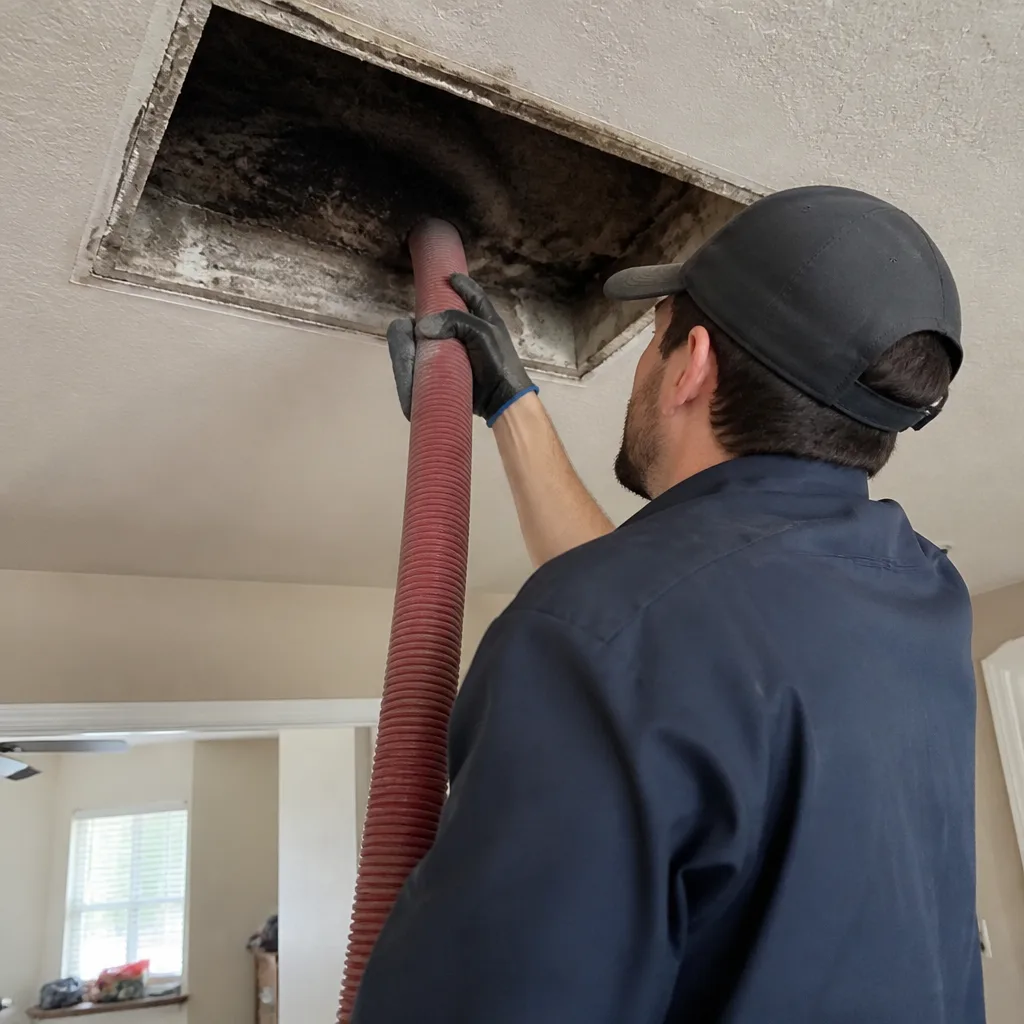 Before
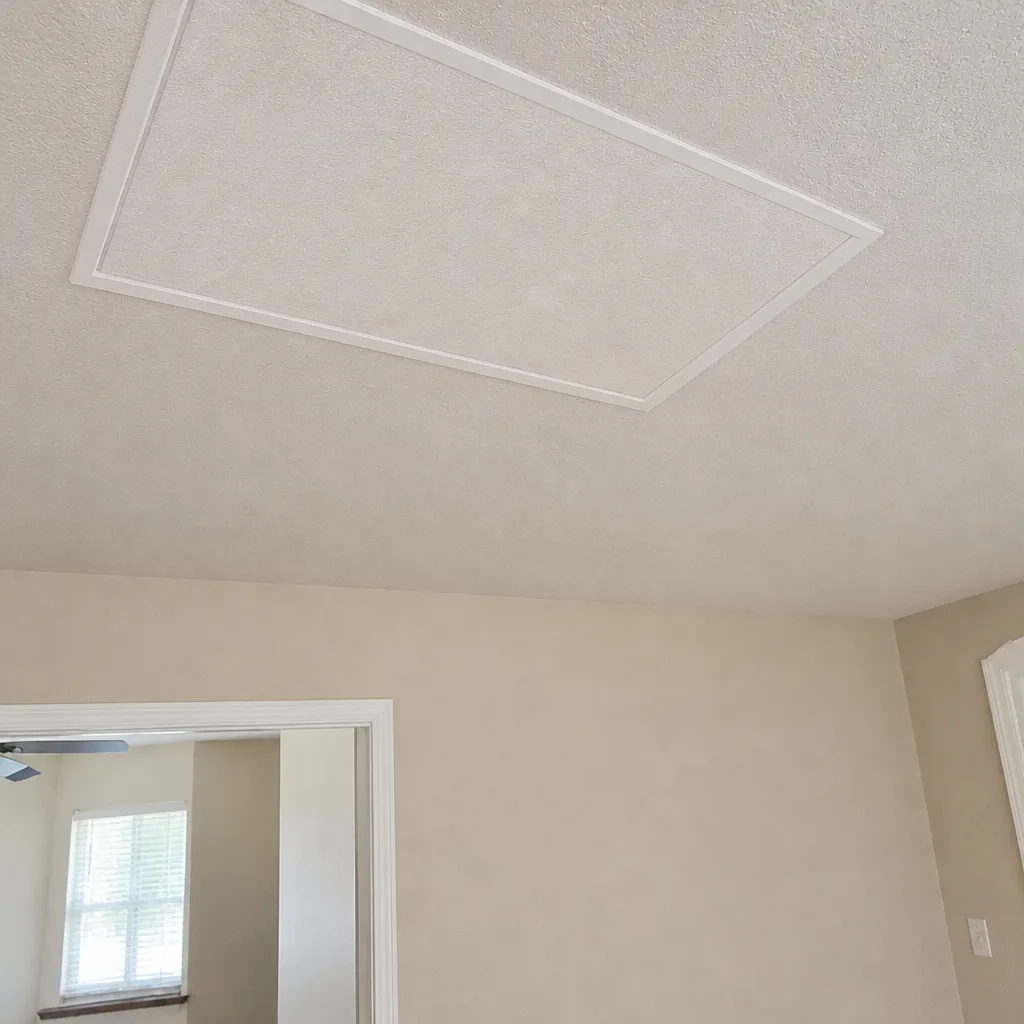 After
When to Call a Professional
You don’t need to clean ductwork on a fixed calendar the way you change a furnace filter. Cleaning is based on conditions. Call a professional when you notice visible dust blowing from supply registers, when a recent renovation or adjacent construction left drywall dust in the system, when you’ve moved into a Draper home and don’t know the last time the ducts were cleaned, or when a household member has allergies and the ductwork hasn’t been verified. Dryer vent cleaning is different – a clogged vent is a fire-risk issue and belongs on a regular schedule regardless of how the ducts look.
Draper Air Duct Cleaning offers free estimates in Draper – call (855) 658-5334. We answer 24/7 and run fast dispatch from 7am to 7pm, Sunday through Friday. Our technicians have up to 13 years of experience and the vetted local professionals we connect you with are licensed and insured as their state requires. Estimates are always free, and the price per system is set in writing before any work begins.
Frequently Asked Questions
A typical whole-house air duct cleaning in Draper runs in the low-to-mid hundreds, depending on the number of runs, whether returns are included, and whether access work is needed. Per-vent pricing is what produces wildly different totals from the same ad; a flat, per-system price agreed in writing is the reliable figure. Call (855) 658-5334 for an exact quote – estimates are free.
Because a cheap quote is usually not for the same job. The $49 or $59 coupon you’ll see across the Draper area is a lead-in price, and the actual cost gets built up per vent once the technician is inside your home, often to $25-$35 per vent. A per-system price from a contractor using Rotobrush and Nikro equipment looks higher upfront because it’s the actual price. Call (855) 658-5334 to see what a per-system quote for your home looks like.
Before-and-after photos of your own ductwork, taken by the technician and shared with you. Photos of someone else’s ducts, stock images, or a verbal “all done” are not documentation. Ask for photos before you book, not after the invoice. Call (855) 658-5334 to schedule a job that includes documentation.
There is no fixed interval. The industry standard is conditions-based: after a renovation, after moving in, if visible dust is blowing from registers, or if allergies flare indoors. A healthy home with a clean filter and no remodeling may go several years between cleanings. Dryer vent cleaning is the exception and belongs on a regular schedule. Call (855) 658-5334 with questions about your specific setup.
No single credential does that. NADCA membership means the company has committed to the industry standard, which is worth checking. It doesn’t verify equipment, crew size, or the process used on your specific job. Use membership as one data point alongside the five questions: equipment brands, negative pressure, technician count, access points, and documentation.
Not to a standard a professional job would meet. Consumer vacuums don’t provide the rotary contact agitation that loosens caked dust from duct interiors, and there’s no practical way to run negative pressure through a full residential system as a homeowner. Small surface concerns (cleaning visible grilles, changing filters) are fine; the interior work belongs to a contractor with the equipment for it.
Get a second assessment and ask for the same proof: which access points were opened, whether negative pressure was used, and what documentation was provided. If the original job was thin, a re-cleaning may be needed with proper equipment. Call (855) 658-5334 for a free estimate – we’ll walk through what a proper job should have covered.
The Bottom Line
Utah doesn’t license air duct cleaning, so the hiring decision is yours. That’s not a reason to skip cleaning; it’s a reason to interview carefully. Ask the five questions – equipment brands, negative pressure, technician count, access points, and documentation. Treat NADCA membership as one data point, not a verdict. Expect a written scope of work and a flat per-system price before anyone arrives. And treat before-and-after photos of your own ducts as a non-negotiable deliverable, not a favor. Get those five answers right, and the bait-and-switch operators filter themselves out of the conversation.
Call (855) 658-5334 for a free estimate. We answer 24/7 with fast dispatch from 7am to 7pm, Sunday through Friday. Our technicians have up to 13 years of experience with Rotobrush, Nikro, and Abatement Technologies equipment, and every Draper job gets a written per-system price before work starts.
Written by the team at Draper Air Duct Cleaning.