
Last updated November 23, 2026
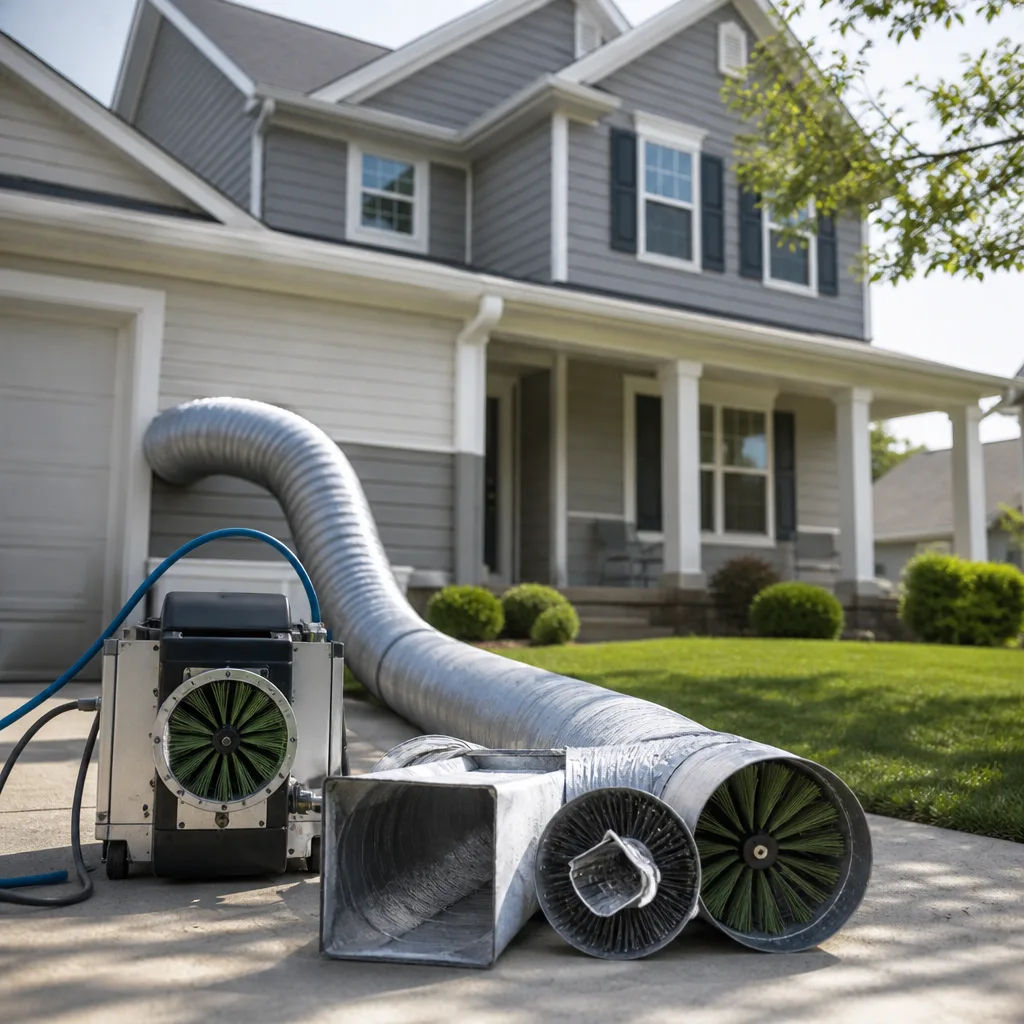 Whole-home duct cleaning
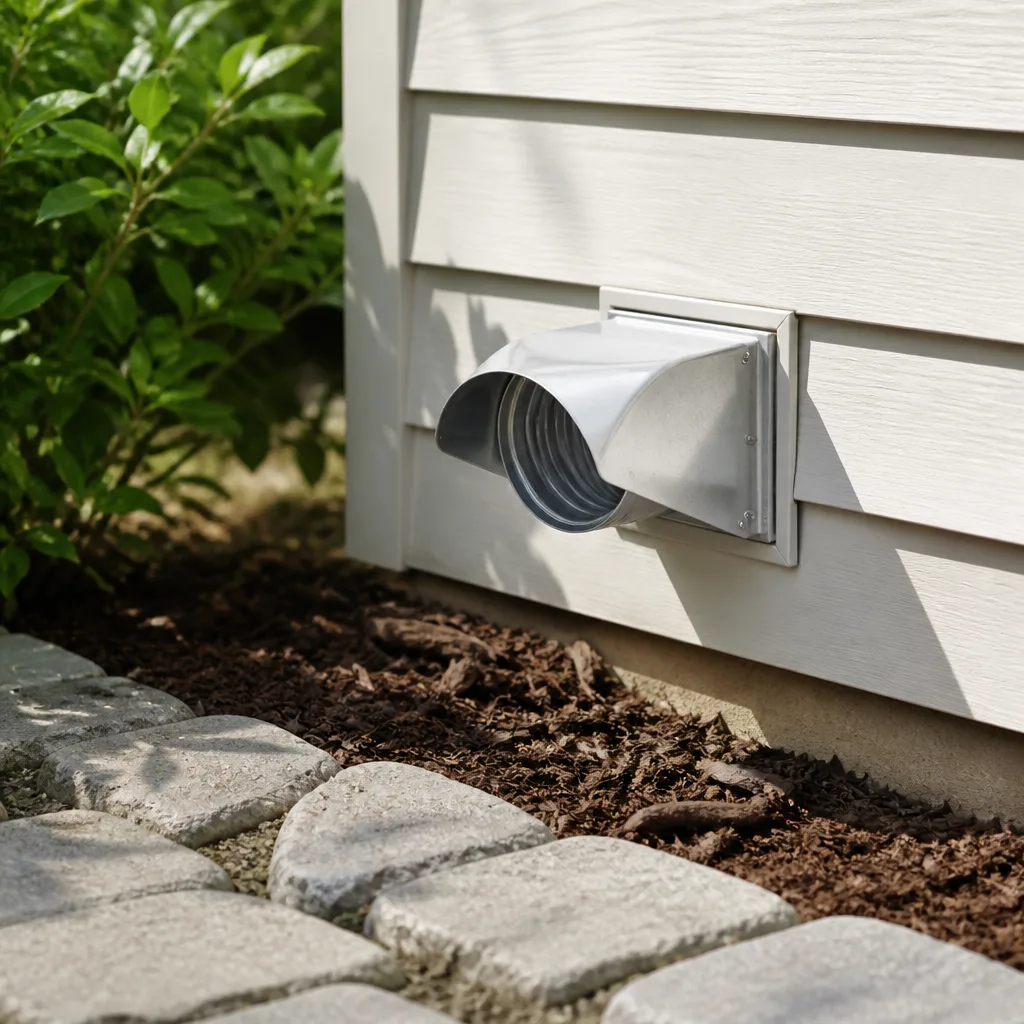 Dryer vent cleaning
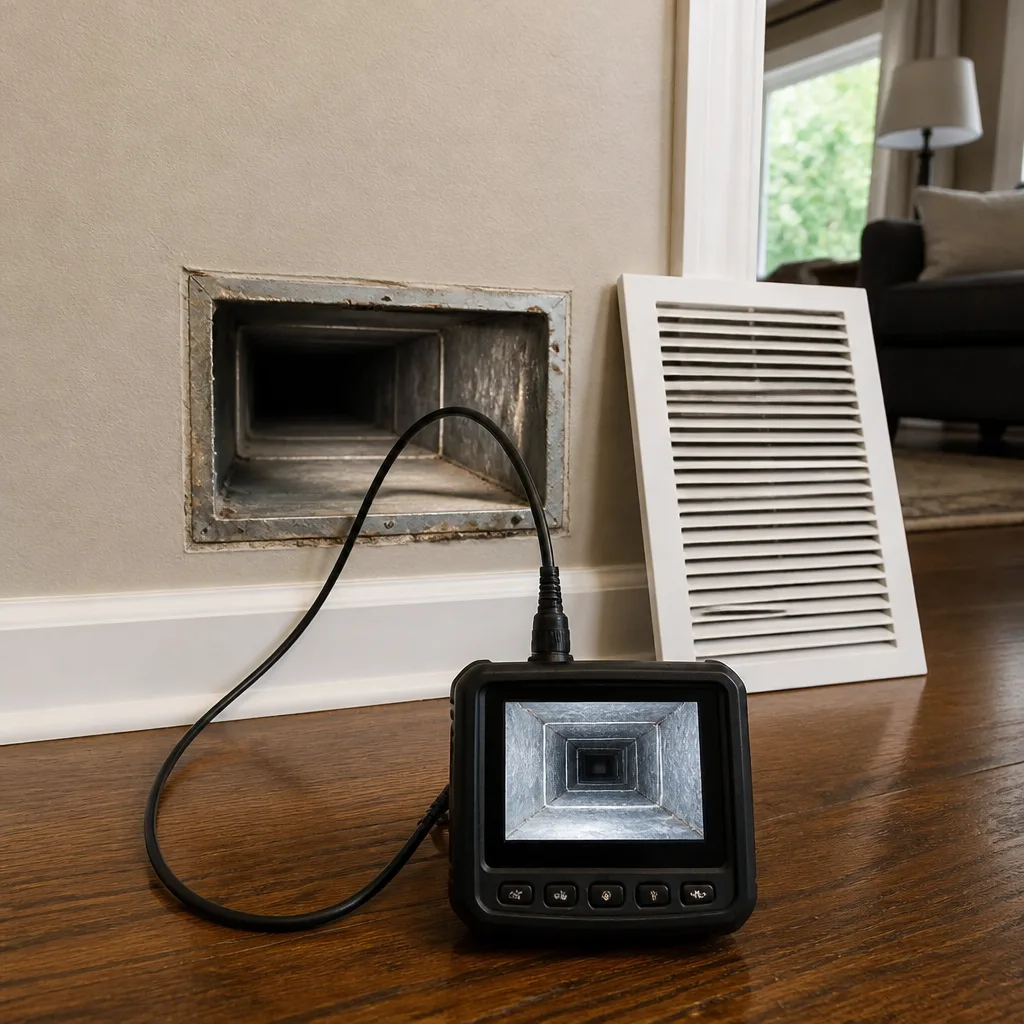 Camera inspection
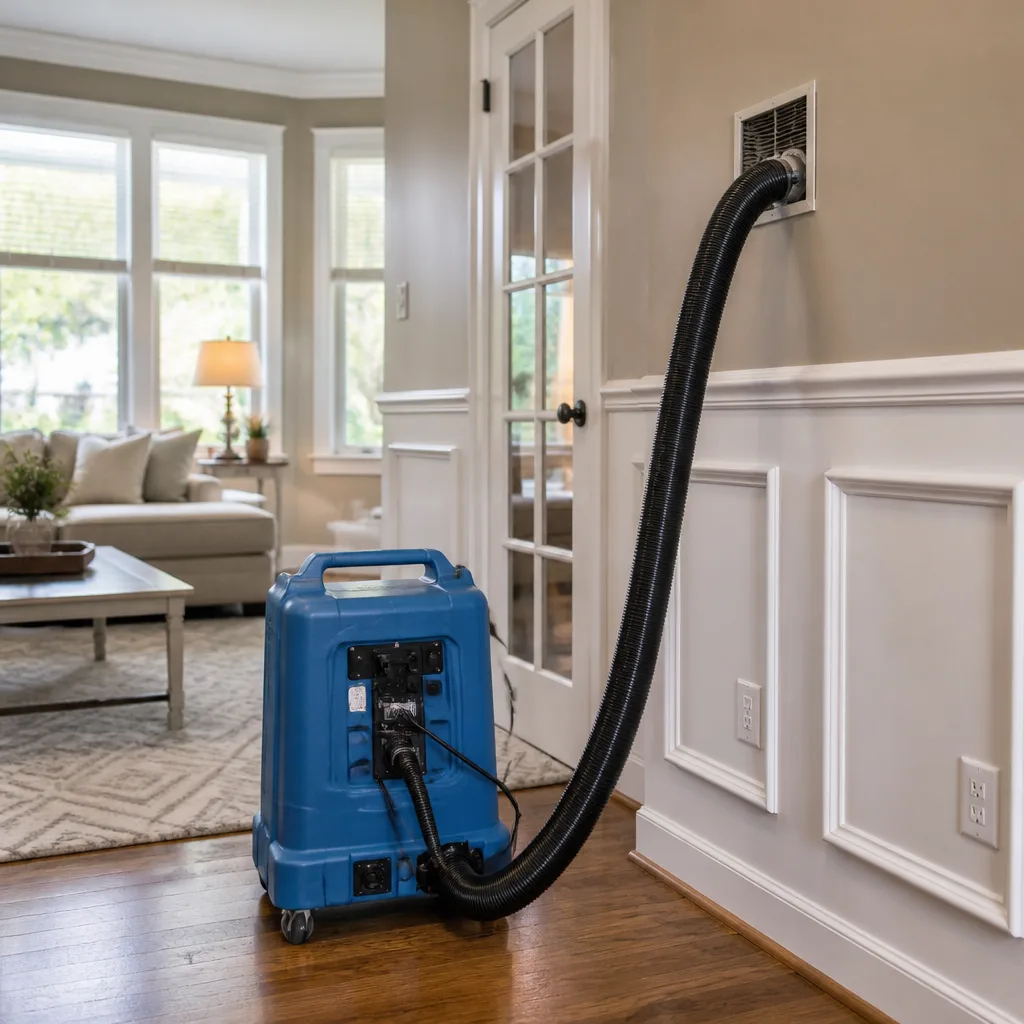 Sanitizing & deodorizing
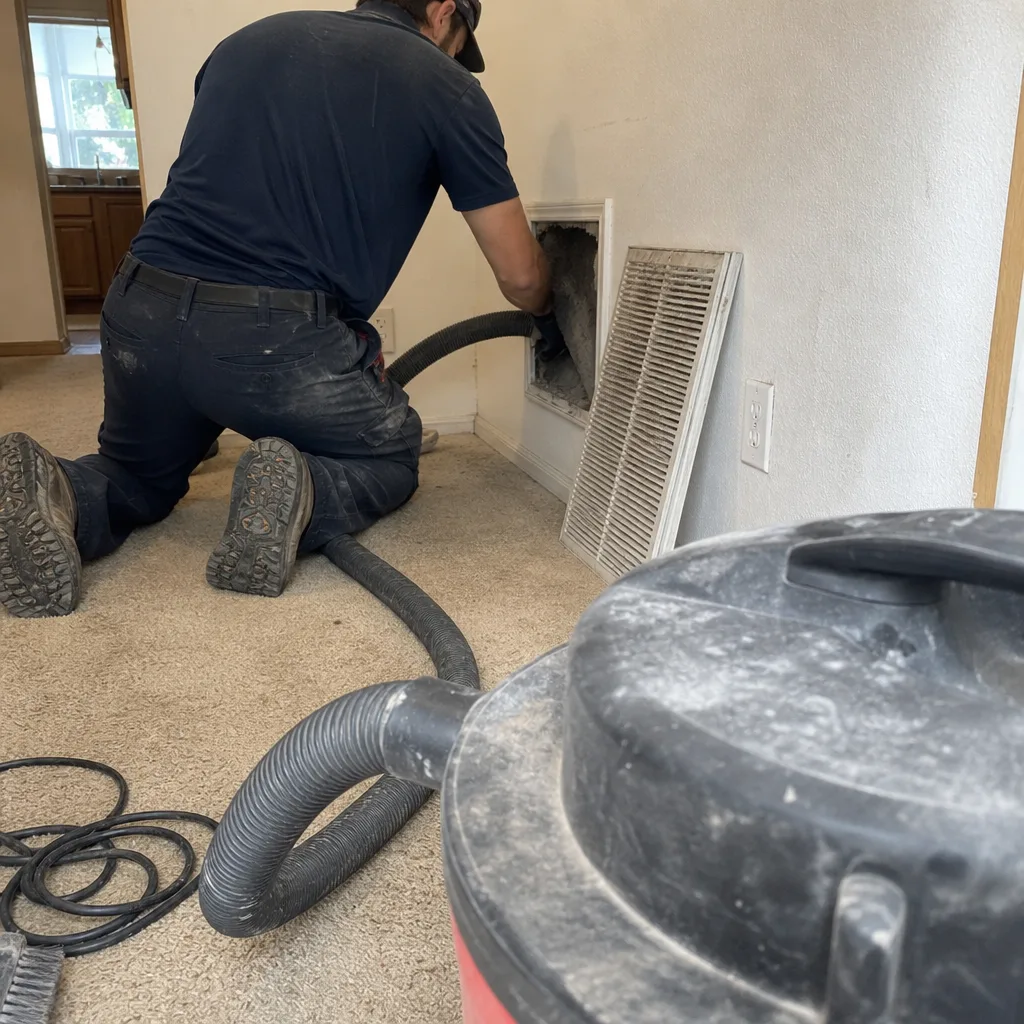
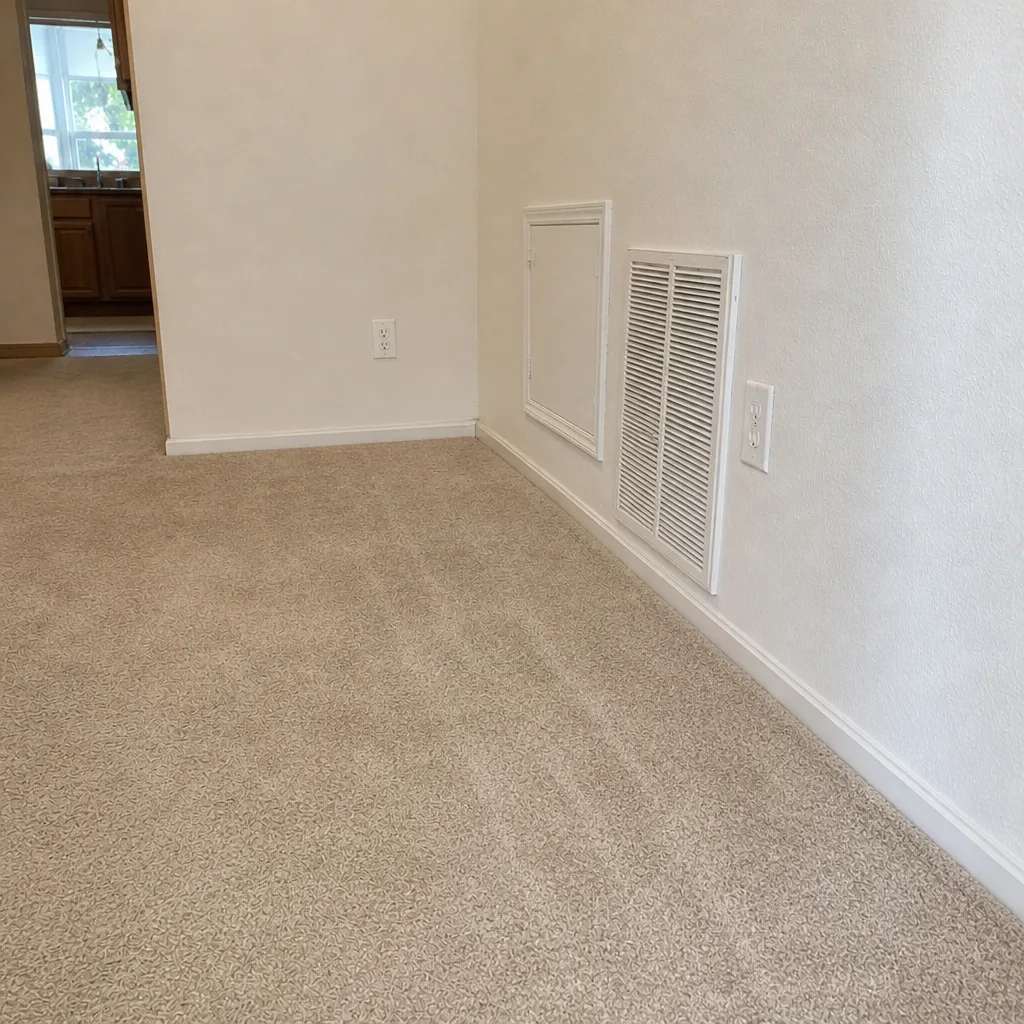
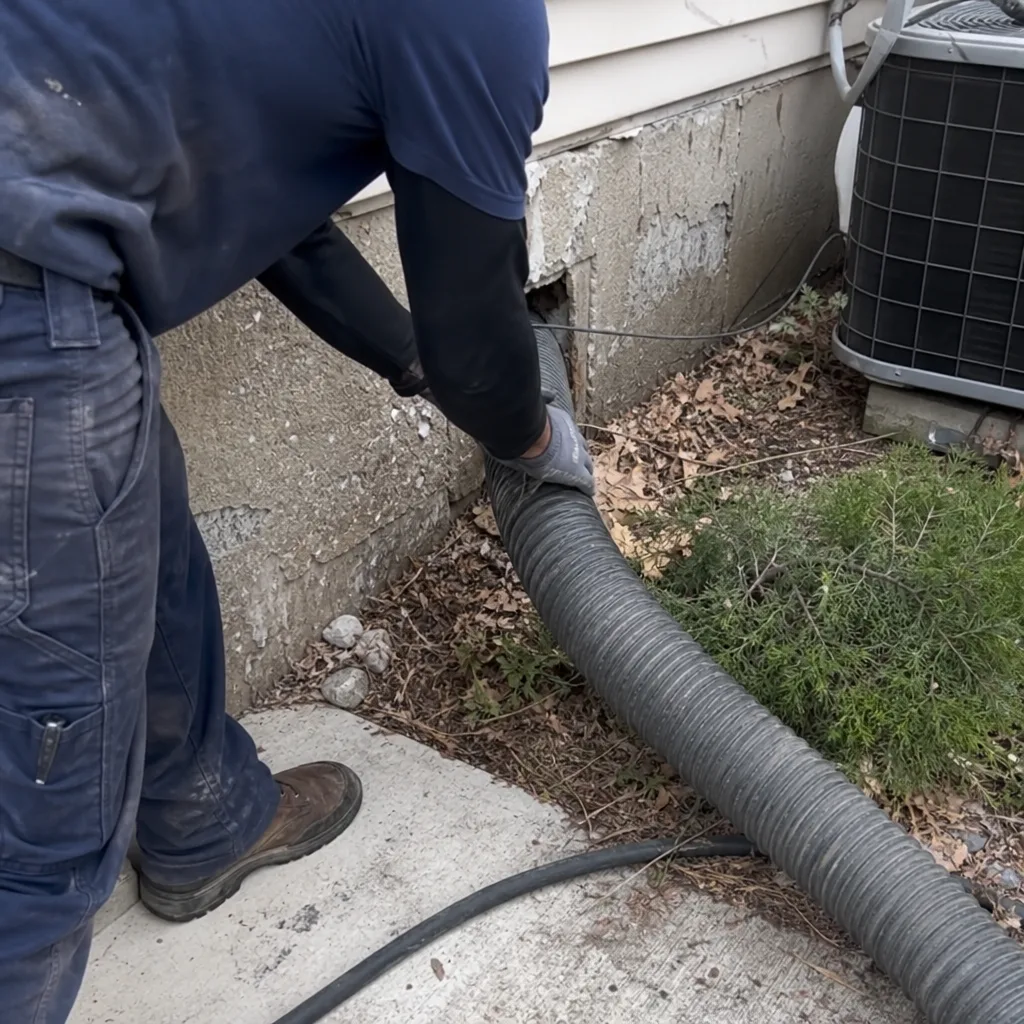
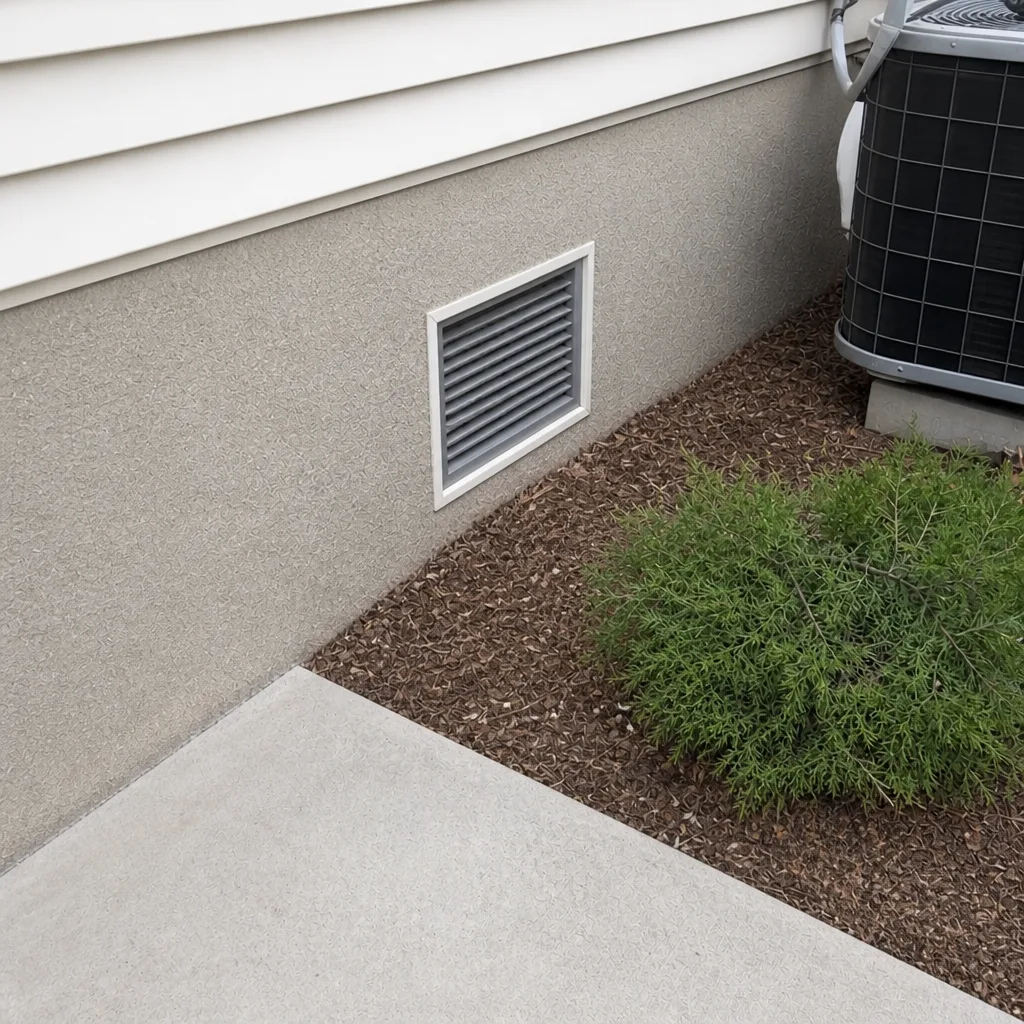
Whole-system duct and dryer vent check with before-and-after photos - you see exactly what came out of your vents
That "$99 whole-house special" is a bait ad - the real number appears once they are in your hallway, or the "clean" is a shop-vac at the register. We photograph the inside of your ducts before and after instead.
Seasonal Air Duct Cleaning Care for Draper: Year-Round Homeowner’s Guide
Most HVAC advice says to clean your ducts every three to five years. That calendar was written for a generic American suburb, not a city at roughly 4,500 feet elevation wedged between the Wasatch Front and the Salt Lake Valley inversion layer. In Draper, the air your system pulls in changes character four times a year, and each change leaves a different kind of debris in your ductwork. A fixed interval ignores all of it. This guide maps Draper’s four seasonal stress events to what actually happens inside your ducts, shows you the highest-leverage cleaning window of the year, and gives you a filter schedule built on Draper’s air quality calendar instead of a generic 90-day rule.
Styles & brands we work with
- Whole-home duct cleaning
- Dryer vent cleaning
- Camera inspection
- Sanitizing & deodorizing
Quick Answer
In Draper, the best time to clean your air ducts is late summer to early fall, before you first turn the heat on. Winter inversion particulate, spring construction dust, and summer wildfire smoke all accumulate in your system through the year, and the fall HVAC switchover bakes that debris onto heat exchangers. Cleaning before that moment – and upgrading your filter around it – produces better results than scheduling on a fixed multi-year cycle.
Table of Contents
- Why Draper’s Climate Changes the Duct Cleaning Calendar
- The Four Seasonal Stress Events in Draper Ducts
- The Fall Switchover: The Highest-Leverage Cleaning Window
- Late-Summer Wildfire Smoke and Your Coil Surfaces
- New Construction and Remodel Dust in Draper Neighborhoods
- A Seasonal Filter-Grade Schedule for Draper Homes
- What a Professional-Grade Duct Cleaning Actually Involves
- Common Mistakes to Avoid
- When to Call a Professional
- Frequently Asked Questions
- The Bottom Line
Why Draper’s Climate Changes the Duct Cleaning Calendar
Draper sits at the south end of the Salt Lake Valley, on a bench that climbs toward the Wasatch foothills. That location matters more than most homeowners realize. Cold air settles into the valley floor during winter, trapping particulate under a warm layer in what’s known as an inversion. Homes higher on Draper’s bench sometimes sit above that layer and sometimes don’t, depending on how deep the inversion runs. Either way, the air your return ducts pull in during winter is carrying fine particulate that a standard filter won’t fully catch.
Spring reverses the problem. As the ground warms and the wind picks up along the bench, dust that settled over winter lifts again. Draper’s ongoing growth adds construction particulate on top of that – drywall dust, concrete dust, and insulation fibers from active building sites. Those particles are fine enough to travel deep into a return system before a filter sees them.
Summer brings a different load. Wildfire smoke from regional fires drifts into the valley and settles, and those smoke particles are submicron – small enough to pass straight through a standard MERV-8 filter. Fall is the quiet season, but it’s also when homeowners first turn the heat on and stir everything the other three seasons deposited.
The point is this: Draper’s ducts don’t collect a steady, predictable amount of dust. They collect in bursts tied to specific seasonal events, and cleaning timed to those events removes more of what actually accumulated.
The Four Seasonal Stress Events in Draper Ducts
Each season in Draper stresses a duct system in a distinct way, and each calls for a different response. Here’s how the year breaks down, and what to do about each phase.
Winter: Inversion Particulate in Return Ducts
During a winter inversion, fine particulate concentrates in the valley air. Your return ducts are the entry point for that air, and it settles on duct walls, in register boots, and on the return-side surfaces of your air handler. A filter catches some of it, but not all – especially during a long inversion stretch when the filter loads faster than usual.
Response: After an inversion period ends, check your filter. If it’s visibly gray or matted, replace it. If your system has gone through several winters without a cleaning, the accumulated load in the return ducts is worth inspecting.
Spring: Construction and Wind-Driven Dust
Draper’s growth means active construction in and around the city. Drywall dust and concrete particulate from nearby building sites are extremely fine, and they travel into duct systems through return intakes and any gaps in the ductwork. Wind along the bench lifts settled dust and drives it the same direction.
Response: Homes near active construction benefit from a duct inspection in spring, and from sealing any gaps in the duct system so construction dust has fewer ways in. Duct repair and sealing is worth considering if your system has visible gaps at joints or disconnected runs.
Summer: Wildfire Smoke and Coil Loading
Late-summer wildfire smoke introduces submicron organic particles. These pass through standard filtration and deposit on evaporator coil surfaces, where they mix with condensation and form a film. That film reduces heat transfer efficiency, which means your system runs longer to reach the same temperature.
Response: Pre-cooling-season coil cleaning, plus a filter upgrade during smoke events. A higher MERV rating catches more of the submicron load before it reaches the coil.
Fall: HVAC Switchover and Baked-On Debris
The first time you turn the heat on in fall, your heat exchanger heats up for the first time in months. Any dust that settled on its surfaces over spring and summer bakes onto it. That’s the highest-leverage moment of the year to clean, and it’s covered in detail below.
The Fall Switchover: The Highest-Leverage Cleaning Window
If you schedule one duct cleaning for the year in Draper, schedule it in late summer or early fall, before you first turn the heat on. Here’s why that timing matters so much.
Your furnace’s heat exchanger is a metal surface that heats up when the burner fires. Through spring and summer, dust settles on it – the same fine particulate that accumulates everywhere in the system. It doesn’t do much while the heat is off. But the first time that heat exchanger reaches operating temperature in the fall, the dust on it cooks. It bakes onto the metal as a hard film, and once it’s baked on, a standard cleaning pass won’t lift it. Removing it takes more aggressive mechanical cleaning, sometimes with specialty tools.
Baked-on debris on a heat exchanger does two things. It reduces heat transfer efficiency, so the furnace runs longer and uses more gas to deliver the same heat. And it can cause the metal to run hotter than designed, which shortens its service life.
Cleaning before the switchover avoids both problems. When the technician cleans the system in late summer, the dust comes off the heat exchanger while it’s still loose. Then, when you first turn the heat on, there’s nothing to bake on.
Worth flagging: this is also the moment most homeowners notice their ducts for the first time in months. If you smell a burning, dusty odor when the heat first comes on, that’s exactly the baked-on dust described above.
Timing checklist for a Draper fall cleaning:
- Schedule the cleaning in late August or September, before your first heating cycle.
- Have the technician clean the full system – supply, return, registers, and the air handler side.
- Ask for coil and heat exchanger surfaces to be inspected and cleaned if needed.
- Replace the filter after the cleaning, not before. A new filter installed after cleaning stays clean longer.
- Note the date and add a reminder for next year’s pre-switchover window.
Late-Summer Wildfire Smoke and Your Coil Surfaces
Wildfire smoke poses a specific problem for Draper duct systems that a standard filter doesn’t solve. Smoke is made of submicron particles – so small that a MERV-8 filter, the standard residential rating, catches only a fraction of them. The rest pass through the filter and travel into your system.
Where they end up matters. The evaporator coil is the cold surface in your system during cooling season. Submicron particles that pass through the filter deposit on that coil, and because the coil is wet with condensation, they stick. Over a summer of smoke events, that film builds up.
A dirty evaporator coil reduces heat transfer efficiency. The coil can’t absorb heat from your indoor air as effectively when its surface is coated, so the compressor runs longer to reach the setpoint. That’s a runtime problem, an efficiency problem, and eventually a lifespan problem for the compressor.
What helps:
- Upgrade your filter during smoke events. A higher-MERV filter catches more submicron particulate. The tradeoff is airflow restriction, so match the filter grade to what your system’s blower can handle – check with your HVAC technician before jumping several MERV ratings.
- Run your system’s fan on low continuously during a smoke event. This keeps air moving across the filter instead of letting particles settle in the ducts.
- Schedule pre-cooling-season coil cleaning. Cleaning the evaporator coil before cooling season begins removes the film that built up during the previous summer’s smoke events, and restores efficiency for the coming season.
- Consider a whole-home air quality solution if a household member has asthma or allergies. We work with Honeywell and Aprilaire product lines, and can recommend filtration upgrades sized to a home’s system rather than a one-size-fits-all add-on.
For a closer look at the full-system side of this, air duct cleaning covers supply and return cleaning, coil surfaces, and register boots together.
New Construction and Remodel Dust in Draper Neighborhoods
Draper’s ongoing growth means a lot of homes sit within sight of an active building site. That has a direct effect on duct systems in nearby homes, and it’s one that a generic duct cleaning schedule doesn’t account for.
Construction dust is different from ordinary household dust. Drywall dust is extremely fine – fine enough to float for hours and to pass through a standard filter. Concrete dust, from cutting and pouring, is similar. Insulation fibers, which come from blown-in and batt installation, are another load entirely. All three find their way into return intakes and settle in the duct system.
Homes near an active build, or homes going through a remodel, see dramatically higher particulate loads in a short window than homes in a settled neighborhood see over a whole year. If your home is next door to a new build, or if you’re having work done on the interior – a kitchen remodel, an addition, flooring work – that’s the moment to inspect the ducts, not months later.
What helps during construction or a remodel:
- Seal return ducts and registers during interior work. A quick cover over each register stops the dust at the source. Do this before demolition starts, not after.
- Change the filter more often during the build. A filter that would normally last three months can load in a few weeks next to active construction.
- Inspect after the work wraps. Drywall dust that bypassed a filter or a covered register will still be sitting in the ducts. A post-construction duct inspection finds it.
In Draper, the neighborhoods at the city’s southern and eastern edges, where new construction is more concentrated, see more of this. It’s one reason a fixed-interval cleaning schedule falls short here.
A Seasonal Filter-Grade Schedule for Draper Homes
The generic 90-day filter replacement rule assumes steady dust loads. Draper doesn’t offer steady dust loads. Here’s a schedule built on Draper’s air quality calendar instead.
| Season | Filter grade | Replacement timing |
|---|---|---|
| Winter (inversion season) | MERV-11 to MERV-13, if your blower supports it | Check monthly during active inversions; replace when visibly gray |
| Spring (construction and wind) | MERV-11 to MERV-13 | Replace at the start of construction at a nearby site, again when work wraps |
| Summer (wildfire smoke) | MERV-13, if your system allows; otherwise MERV-11 | Replace at the start of a smoke event, not at the end |
| Fall (pre-switchover) | Standard MERV-8 for the cleaning visit, then upgrade after | Replace after the fall duct cleaning, before the first heat cycle |
Two things worth noting. First, a higher-MERV filter restricts airflow, so match the grade to what your blower is rated for. If you’re not sure, check with your HVAC technician – running too restrictive a filter can strain the blower motor. Second, in a home near an active build or going through a remodel, replace the filter well before the seasonal schedule calls for it. Dust loading during construction can outrun any calendar.
For households with asthma or allergies, the filter schedule is one piece. A whole-home sanitizing service using a product line like Guardsman, paired with a filtration upgrade, addresses the air quality side more directly.
What a Professional-Grade Duct Cleaning Actually Involves
Not every duct cleaning is the same. “Your ducts are only as clean as the machine doing the work,” and a shop vac run through a few registers doesn’t count as a cleaning. A professional-grade cleaning uses equipment built for the job.
Here’s what a full-system cleaning should include, and what equipment makes the difference:
- Negative-air containment first. Before any cleaning starts, a negative-air machine should be set up at the system to capture dislodged dust rather than let it drift into the living space. Abatement Technologies negative-air equipment does this. Without it, cleaning a duct just moves the dirt into the room.
- Rotary contact cleaning of the ducts. A rotating brush driven by air or a motor scrubs the duct walls, then the dislodged dust is captured by the negative-air system. Rotobrush rotary contact-cleaning systems are what professional HVAC contractors use for this – not a hand-brush and a vacuum hose.
- HEPA-rated vacuuming. A HEPA-rated vacuum captures fine particulate at the machine, not just at the hose end. Nikro HEPA filtration meets the standards recognized for HVAC cleaning.
- Register and boot cleaning. Registers, boots, and the visible portions of ducts are where most of the deposit is, and they’re also where a cleaning is easiest to verify. Ask for before-and-after photos of your own system’s interior.
- Air handler and coil surfaces get cleaned during the sweep too. This is the HVAC cleaning side of the job, and it’s what removes the smoke and construction dust film that reduces efficiency.
- Sanitizing, if requested. The Air Quality & Sanitizing service applies a sanitizer to the cleaned duct surfaces – useful for households with allergies, asthma, or a contamination concern.
Five service categories cover the whole system: air duct cleaning, dryer vent cleaning, HVAC cleaning, duct repair and sealing, and air quality sanitizing. One call covers all of it, which matters because coordinating multiple contractors on the same system usually ends in one of them cleaning what the other just worked on. For the full picture, HVAC cleaning covers the coil and air handler side.
Dryer vent cleaning is its own service, not an add-on afterthought. Dryer vents are a leading cause of residential fires, and a dedicated cleaning on the vent run removes the lint that accumulates there. For a look at that service, dryer vent cleaning covers it in detail.
Common Mistakes to Avoid
- Following the generic 3-to-5-year calendar in Draper. That interval assumes a steady dust load. Draper’s four seasonal events load ducts in bursts, so a scheduled cleaning in the wrong season misses most of what accumulated.
- Cleaning after the heat comes on in fall, not before. Cleaning in October or November is cleaning after the dust has already baked onto the heat exchanger. Late summer or early fall is the window that actually pays off.
- Skipping the filter upgrade during wildfire smoke season. Running a MERV-8 filter through a smoke event lets submicron particles reach the evaporator coil. That’s an efficiency loss for the rest of the cooling season, not just a comfort issue.
- Ignoring construction dust in Draper. Homes near active building sites see much higher particulate loads. A fixed-interval cleaning schedule won’t catch it, and a filter replacement on the usual cadence won’t either.
- Hiring a cleaner that brings consumer-grade equipment. A shop vac and a hand brush dislodge dust without capturing it, and it ends up back in the air. Look for rotary contact cleaning and HEPA filtration on the equipment list.
- Using “cheap” as the deciding factor. A quote that comes in dramatically below the others is usually a quote for a partial cleaning, or a cleaning with equipment that can’t do the job. Ask what equipment the contractor brings and whether they run negative-air containment.
- Assuming “clean ducts” means the job is done. The system also has to be sealed. Gaps and disconnected runs let construction dust and outdoor air bypass the filter entirely, so cleaning without sealing is a partial fix.
When to Call a Professional
Some duct situations call for a pro, and getting the timing right on the seasonal calendar is exactly when that call pays off.
Call a professional if you notice dust blowing from registers when the system runs, a musty or dusty odor when the heat comes on, or visible debris inside a register boot. Call if your home is near active construction, or if you’re planning a remodel – a pre-construction and post-construction inspection on the ducts catches what would otherwise settle for years. Call if anyone in the house has asthma or allergies and you’ve upgraded filtration without a full cleaning first. And call in late summer or early fall, before the heat comes on, if you want the highest-leverage cleaning window of the Draper year.
Draper Air Duct Cleaning provides residential and commercial duct cleaning, HVAC cleaning, duct repair and sealing, and air quality sanitizing. We use professional-grade equipment including Rotobrush contact-cleaning systems, Nikro HEPA-rated vacuums, and Abatement Technologies negative-air tools. Our technicians have up to 13 years of experience.
We give one flat price per system, agreed before work starts – no per-vent pricing, no surprise invoice. The written estimate sets the final price, and before-and-after photos of your own ducts show what was removed. Draper Air Duct Cleaning offers free estimates in Draper. Call (855) 658-5334. We answer 24/7. Fast dispatch from 7am to 7pm, Sunday through Friday.
Frequently Asked Questions
For most Draper homes, once a year is the right cadence, timed to late summer or early fall, rather than the generic three-to-five-year rule. That’s because Draper’s four seasonal events – winter inversion particulate, spring construction dust, summer wildfire smoke, and the fall HVAC switchover – each add to the load, and cleaning before the switchover keeps the total manageable. Homes near an active construction site may need inspection sooner. Call (855) 658-5334 for an exact quote – estimates are free.
Late summer to early fall is the best window in Draper. Cleaning before the first heating cycle removes settled dust from the heat exchanger before it bakes on, and it clears the smoke and construction dust that built up over spring and summer. Calling for an appointment in late August or September puts the cleaning in before the switchover.
Yes, but the value is mostly in coil and heat exchanger cleaning rather than in the ducts alone. Wildfire smoke carries submicron particles that pass through a standard MERV-8 filter and deposit on the evaporator coil. Cleaning the coil surface removes that film and restores heat transfer efficiency; upgrading the filter during a smoke event catches more of the load before it reaches the coil in the first place.
We quote a flat price per system, set by a free written estimate after we look at your ductwork, so the price reflects your actual system rather than a published range. What we won’t do is quote a per-vent price or a teaser number that grows once the technician is on site. Call (855) 658-5334 for an exact quote – estimates are free.
A quote that comes in far below the others is usually a quote for a partial job or for work done with consumer-grade equipment. Ask what equipment the contractor brings – rotary contact cleaning systems like Rotobrush, HEPA-rated filtration like Nikro, and negative-air containment like Abatement Technologies are what separate a full-system cleaning from a shop-vac pass. Ask for before-and-after photos of your own system’s interior, not a stock image. Call (855) 658-5334 for an exact quote – estimates are free.
Ask for before-and-after photos of your own ducts and register boots, not a stock image from a brochure. A professional cleaning also leaves the air handler and coil surfaces visibly cleaner, and the register boots visibly clear. Ask the technician to walk you through the after photos at the end of the visit. Call (855) 658-5334 for an exact quote – estimates are free.
The Bottom Line
Draper’s duct systems don’t collect dust on a predictable schedule – they collect in bursts tied to the city’s four seasonal stress events. The single most valuable thing you can do is clean before the fall switchover, so dust comes off the heat exchanger before it bakes on. After that, matching your filter grade to the season, upgrading during smoke events, and inspecting after nearby construction will keep the system in better shape than any fixed multi-year calendar. If you’ve been relying on the generic 3-to-5-year rule, the Draper calendar is the one that actually pays off. To get that calendar started on your home, Draper Air Duct Cleaning offers free estimates. Call (855) 658-5334. We answer 24/7. Fast dispatch from 7am to 7pm, Sunday through Friday.
Written by the team at Draper Air Duct Cleaning.
See the difference
 Before
 After
 Before
 After
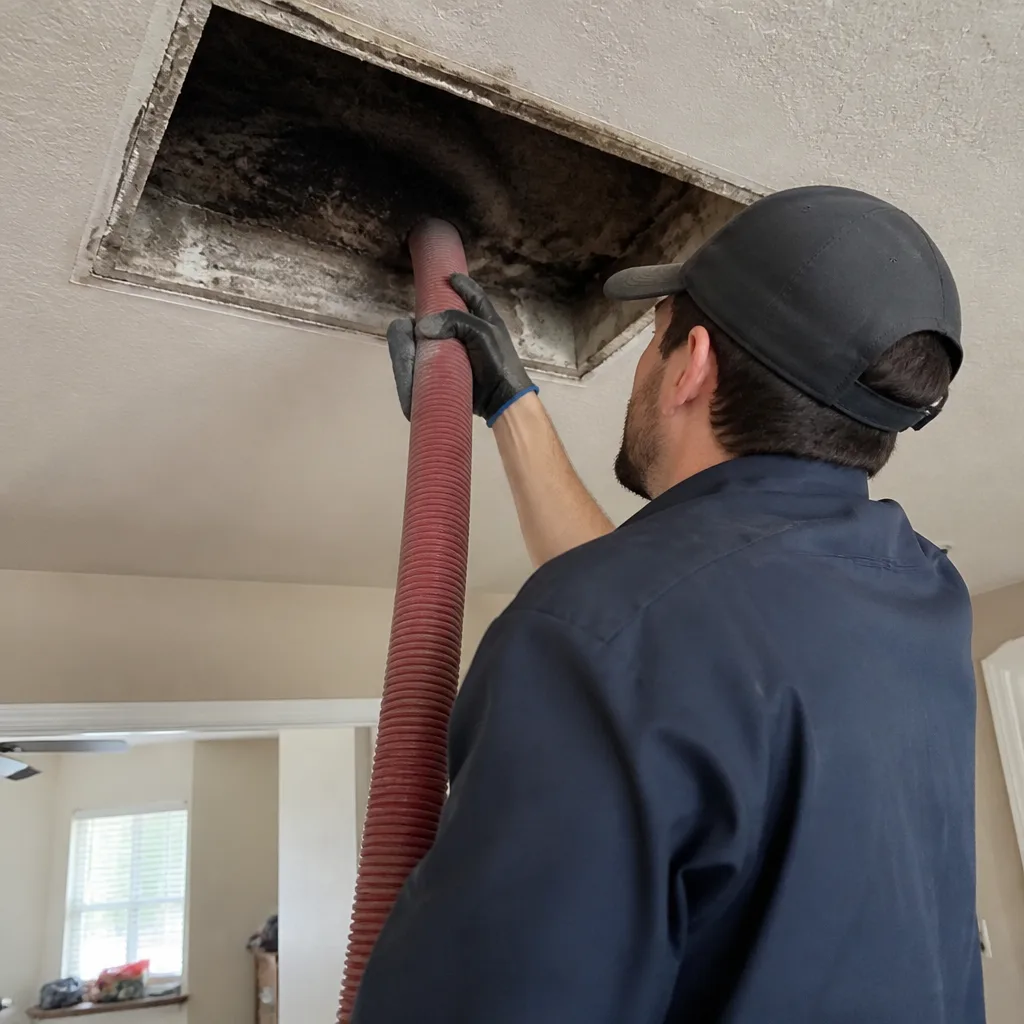 Before
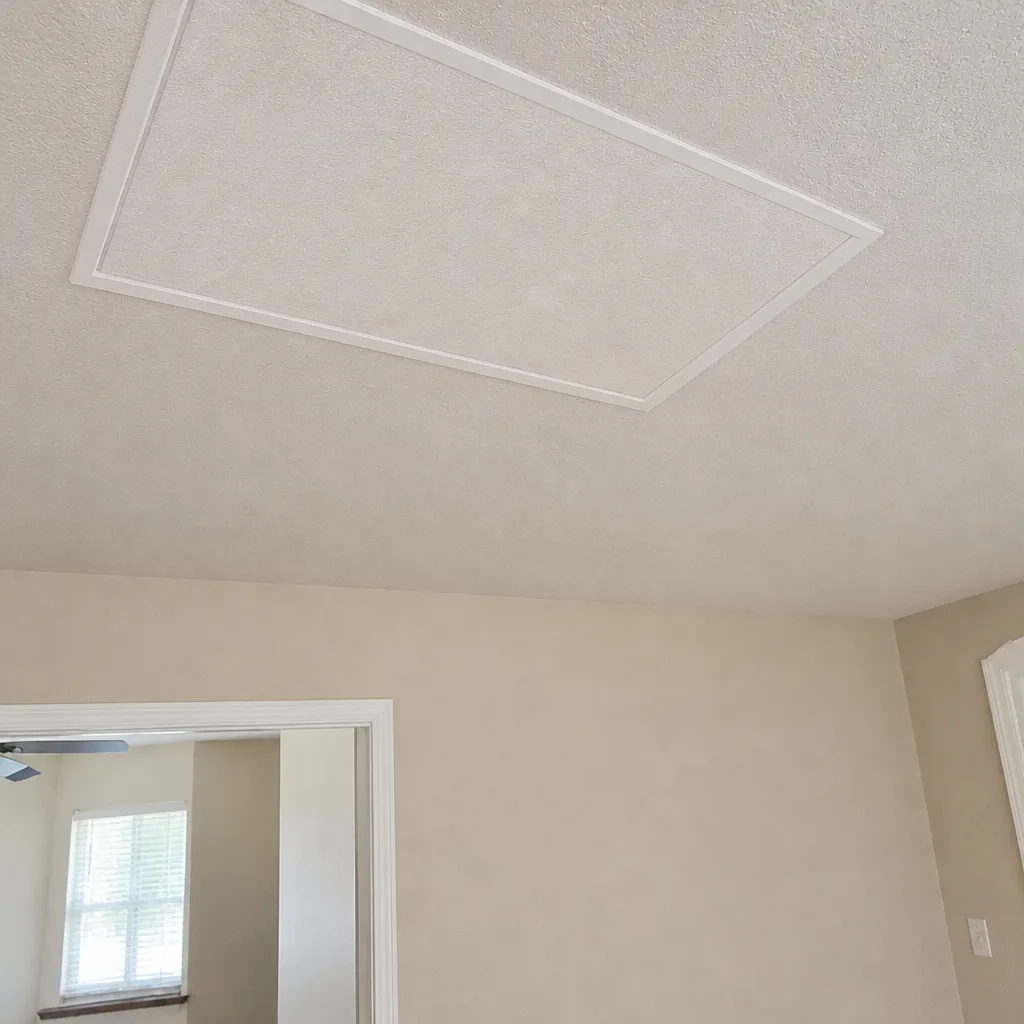 After