
Last updated November 23, 2026
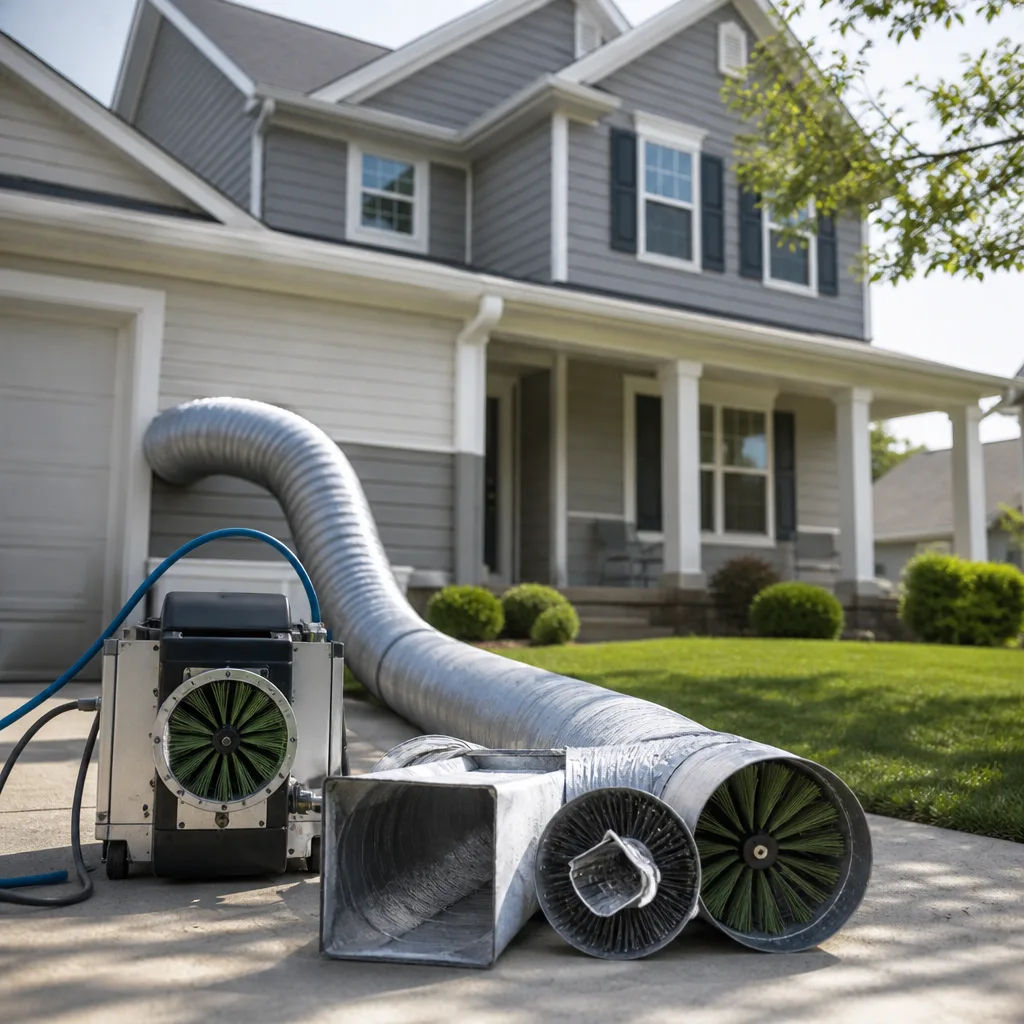 Whole-home duct cleaning
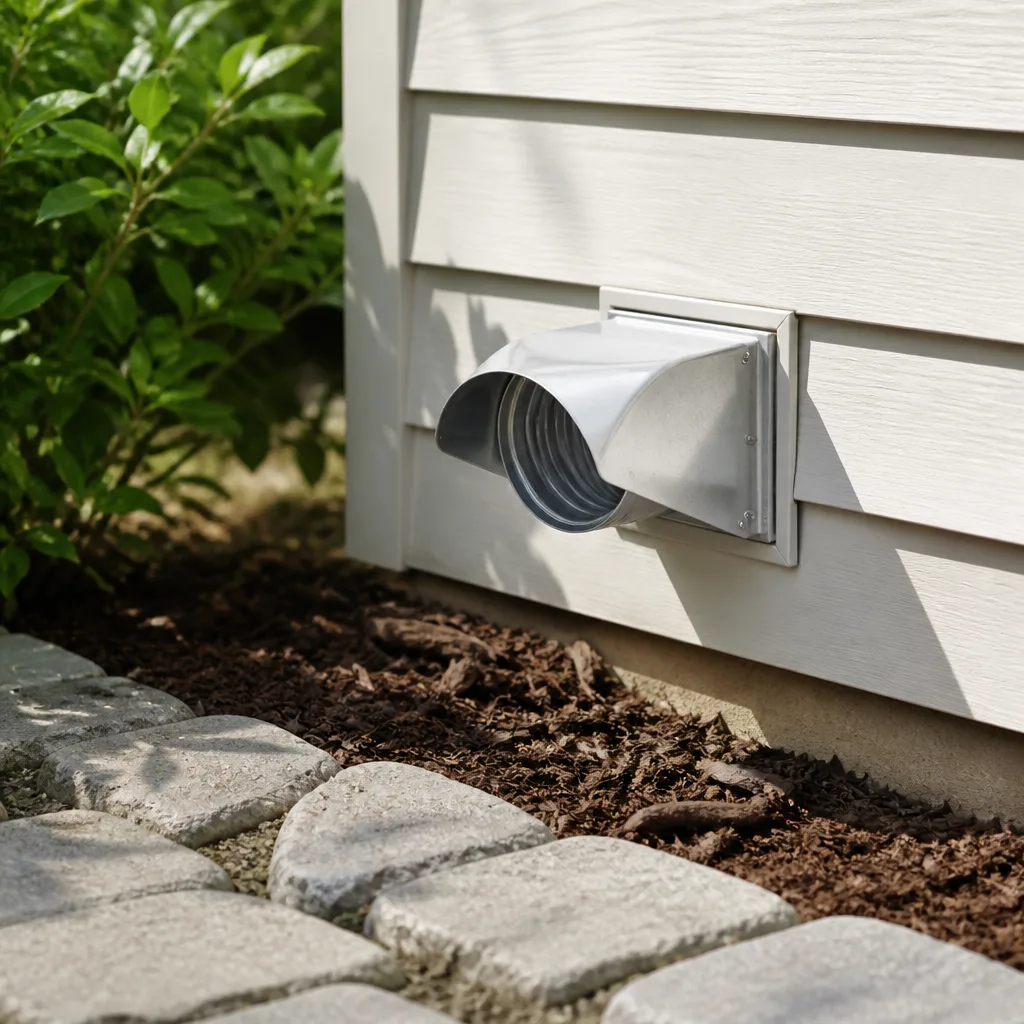 Dryer vent cleaning
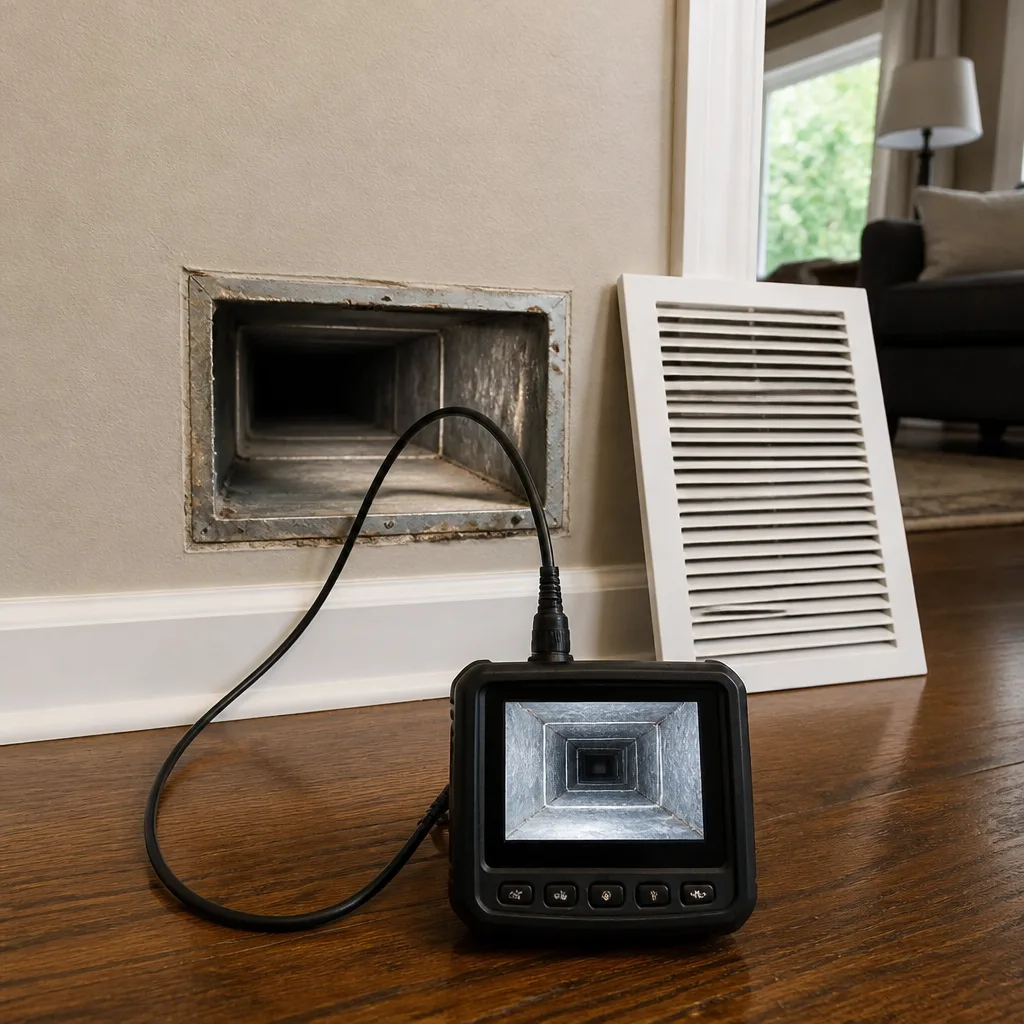 Camera inspection
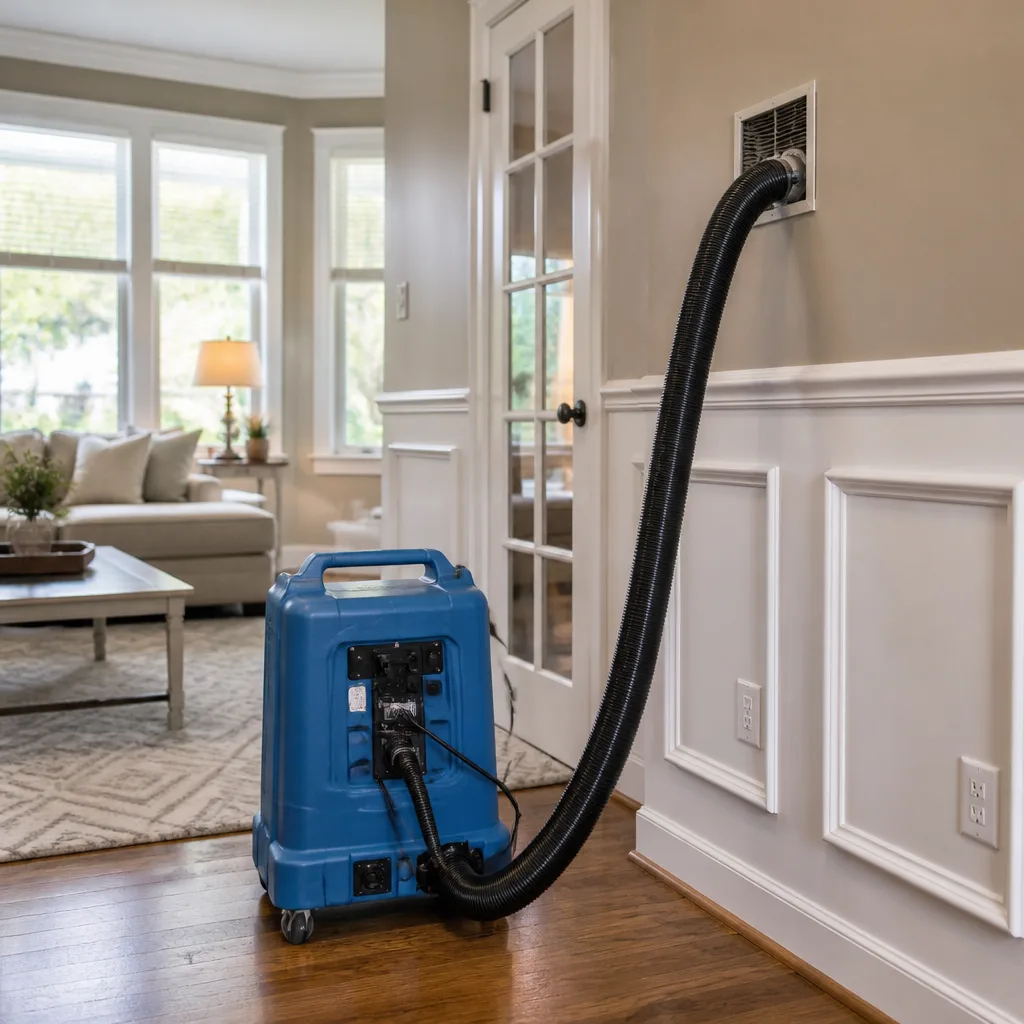 Sanitizing & deodorizing
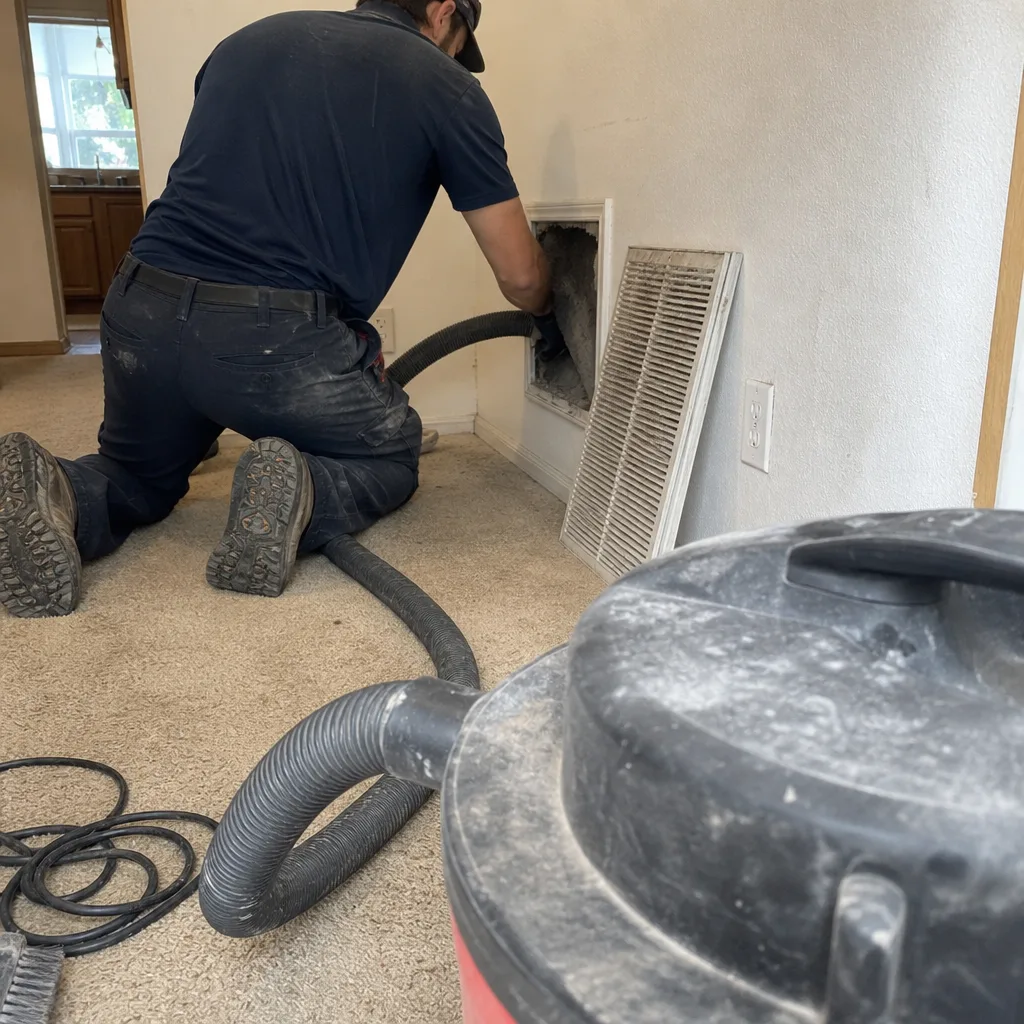
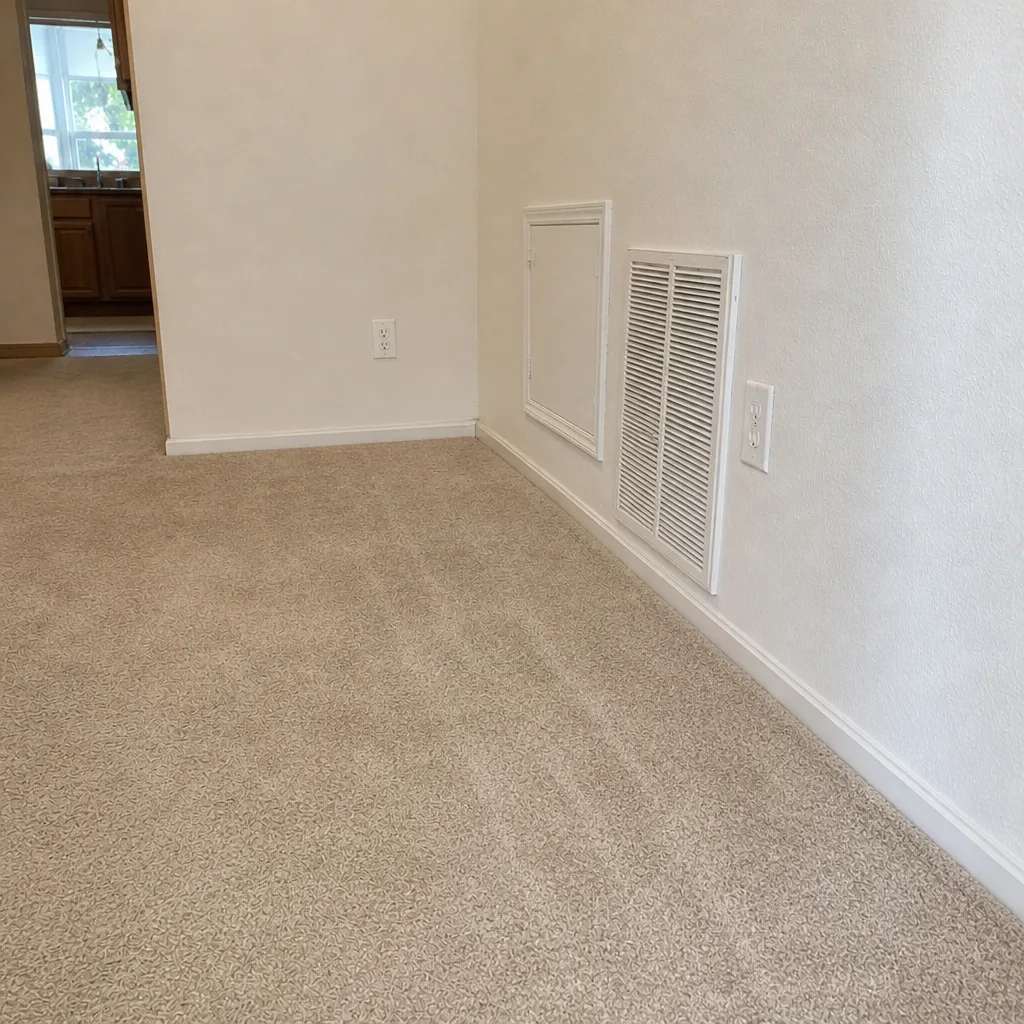
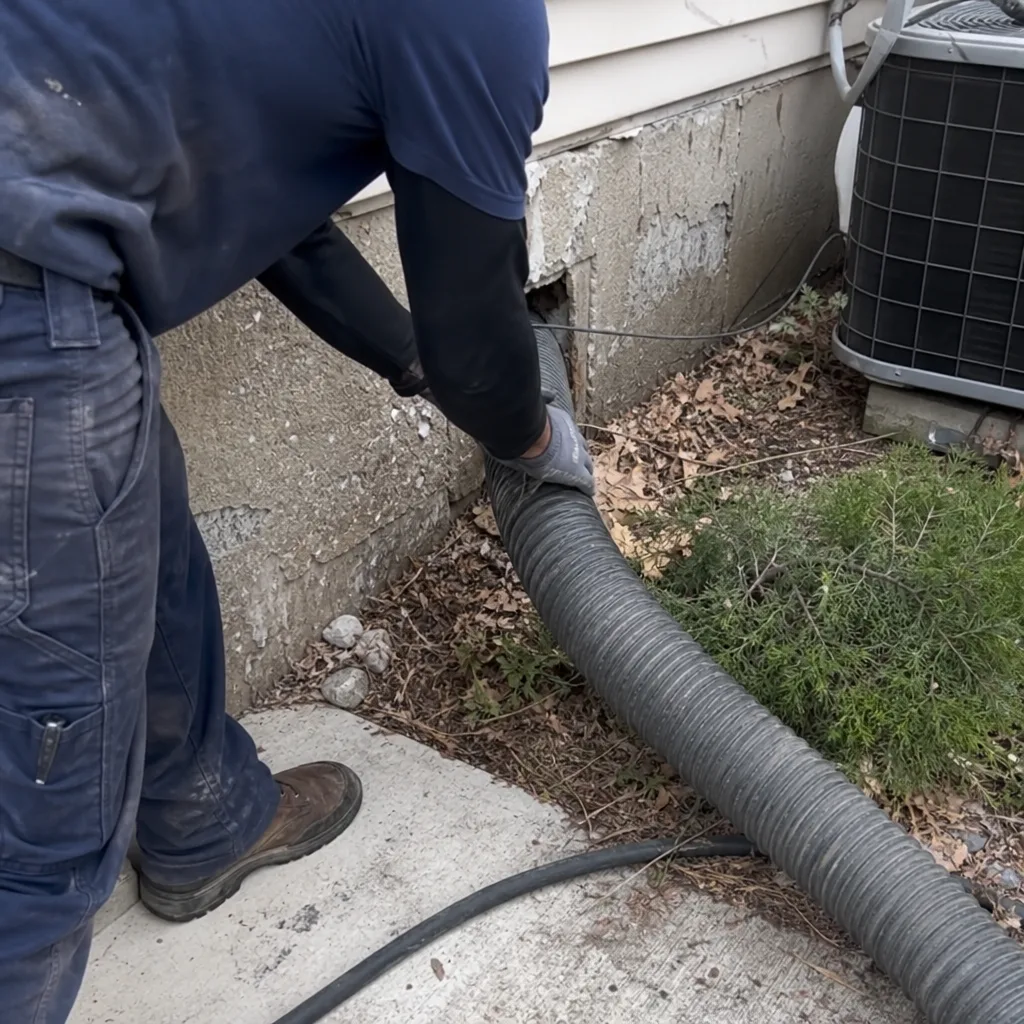
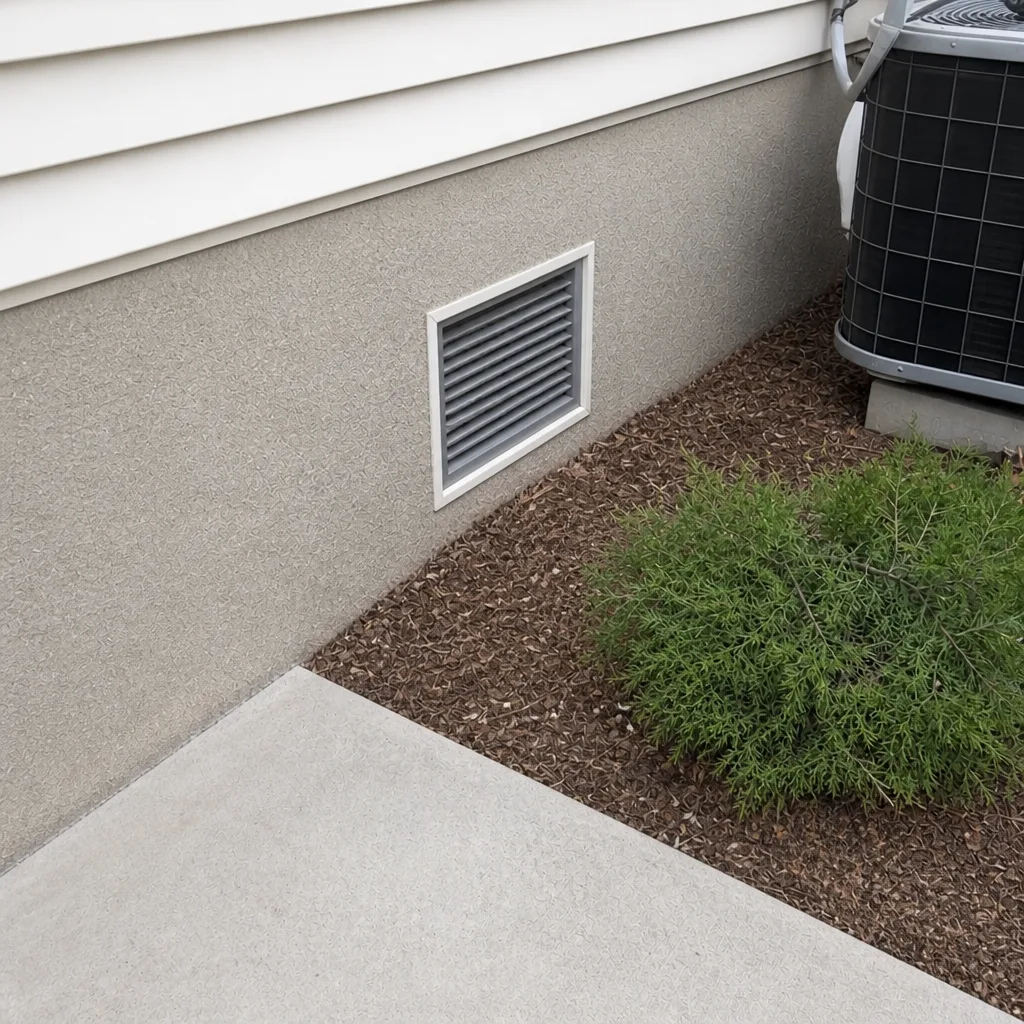
Whole-system duct and dryer vent check with before-and-after photos - you see exactly what came out of your vents
That "$99 whole-house special" is a bait ad - the real number appears once they are in your hallway, or the "clean" is a shop-vac at the register. We photograph the inside of your ducts before and after instead.
Air Duct Cleaning Permits, Codes & Inspections in Draper, UT: What You Need to Know
If a technician tells you your flex duct needs to be replaced and does it on the spot without pulling a permit, that’s not efficiency – it’s a code violation in Draper. Mechanical alterations to duct systems in Utah fall under the International Mechanical Code as adopted by the state, and unpermitted duct work can complicate a home sale inspection years later. Most homeowners never think to ask whether the person cutting into their ductwork is legally allowed to do it. This guide draws the line precisely: what counts as routine cleaning that needs no permit at all, what crosses into repair or modification that does, how Draper City’s building department handles mechanical permits, and how to protect yourself before you hire anyone.
Quick Answer
Routine air duct cleaning in Draper does not require a permit. The moment work crosses into duct repair, replacement, modification, or aerosol sealing, it can fall under the International Mechanical Code as adopted by Utah, and a mechanical permit through Draper City’s building department may be required. Cleaning removes debris; repair and alteration change the system, and that’s where code, inspection, and contractor licensing all come into play.
Styles & brands we work with
- Whole-home duct cleaning
- Dryer vent cleaning
- Camera inspection
- Sanitizing & deodorizing
Table of Contents
- Where Cleaning Ends and Permitted Work Begins
- What Utah’s Adopted International Mechanical Code Says About Ducts
- How Draper City’s Mechanical Permit Process Works
- Aerosol Duct Sealing in Utah: Permits, Warranty, and Inspection
- Mold Inside Ducts: When Cleaning Becomes Abatement
- How Unpermitted Duct Work Surfaces During a Home Sale
- Why Draper’s Climate and Housing Make Duct Integrity Matter
- Questions to Ask Any Duct Contractor Before Work Starts
Where Cleaning Ends and Permitted Work Begins
The cleanest way to think about this is to separate maintenance from alteration. Cleaning, sanitizing, and sealing small air leaks with approved sealant are maintenance. Cutting out a section of duct, replacing a collapsed run, resizing a trunk line, or rerouting a branch to a new register is alteration. In Draper, that distinction is what decides whether a permit enters the conversation.
Cleaning without a permit includes:
- Mechanical contact cleaning of duct interiors using rotary brush systems like Rotobrush.
- HEPA vacuum extraction with Nikro-rated machines.
- Negative-air containment set up with Abatement Technologies equipment to keep dislodged debris out of living spaces.
- Sanitizing the interior surfaces of ducts and the air handler after cleaning.
- Replacing a register grille or a filter – not a duct.
Work that can trigger a mechanical permit includes:
- Replacing flexible duct runs or rigid duct sections.
- Adding a new supply or return branch to serve a remodeled room.
- Resizing a trunk line or changing the layout of the system.
- Sealing ducts with an aerosol injection process that changes the system’s rated leakage.
- Repairing a crushed duct behind drywall or in a tight chase.
In our experience, the confusion happens when a homeowner books a cleaning and the technician finds a problem mid-job. A reputable contractor stops, explains what needs to change, and tells you whether that change requires a permit. A contractor who keeps cutting without mentioning permits is either unaware of the code or choosing to skip it – and neither is a good sign for the work on your ducts.
What Utah’s Adopted International Mechanical Code Says About Ducts
Utah adopts the International Mechanical Code (IMC) as the mechanical standard for permitted construction, and the IMC treats duct systems the same way it treats the rest of a mechanical system: ducts must be installed, sealed, and supported to code, and alterations to a mechanical system generally require a permit and inspection. The IMC also addresses duct sealing, duct insulation, and the connection of ducts to the air handler. Draper enforces these provisions through its building department when a mechanical permit is pulled.
What that means in plain English:
- Ducts are part of the mechanical system. They aren’t an accessory. The IMC classifies them as part of the supply, return, and exhaust air distribution.
- Sealing is a code requirement, not an upgrade. Duct joints, seams, and connections are expected to be sealed to a specified standard. A technician who reseals a joint during a repair should be sealing to code, not just taping it shut.
- Alteration means alteration. Removing, relocating, or replacing a duct section is an alteration. Most jurisdictions, Draper included, treat this as permit territory when the scope is significant.
- Inspection is the safety net. A mechanical inspection verifies that the ductwork was installed correctly – sealed, supported, clear of combustible materials, and properly connected.
The IMC is updated on a multi-year cycle, and Utah adopts specific editions. The practical point for a Draper homeowner isn’t memorizing section numbers. It’s knowing that duct work is regulated construction, and any contractor performing it should be able to tell you which code edition Draper is enforcing and whether a permit is required for the specific task they’re proposing.
How Draper City’s Mechanical Permit Process Works
Draper City’s building department issues mechanical permits for HVAC work, and duct modification falls under that umbrella when the scope crosses into alteration. The process generally follows a predictable path, and knowing it puts you in a position to ask the right questions before anyone picks up a tool.
Step 1: Scope is defined. The contractor identifies what’s actually being changed – a new run, a replacement section, a sealed trunk. Cleaning alone doesn’t enter this step. Repair does.
Step 2: Permit application is filed. The contractor submits a mechanical permit application to Draper City with the scope of work described. For minor duct replacements, this can be straightforward. For larger alterations, drawings may be requested.
Step 3: The permit is issued. Once issued, the permit authorizes the work and sets up the inspection sequence.
Step 4: The work is performed. The duct alteration happens under the permit.
Step 5: Inspection is scheduled and passed. A city inspector verifies the installation. The permit is closed.
What documentation a homeowner should request from any contractor doing duct modification in Draper:
- A copy of the mechanical permit number and the name on the permit.
- Proof the contractor is licensed in Utah for the scope of work being performed.
- A written scope of work that matches what’s on the permit.
- Confirmation the inspection was passed before final payment.
If a contractor can’t produce a permit for work that requires one, that’s your signal to pause. Draper Air Duct Cleaning handles cleaning, Draper Air Duct Cleaning, and full-system work with an eye toward what the code actually requires, and we’ll tell you when a job needs a permit and when it doesn’t.
Aerosol Duct Sealing in Utah: Permits, Warranty, and Inspection
Aerosol duct sealing – the process that injects a fog of sealant particles into the duct system to close small leaks from the inside – sits in an interesting regulatory spot. Because it changes the leakage characteristics of the duct system, it’s often treated as a modification rather than maintenance, and in many jurisdictions it can trigger a mechanical permit and inspection. Whether it does in Draper depends on the scope, the building type, and how the system is being altered. The safest approach is to ask the contractor directly: does this job require a mechanical permit, and will the work be inspected?
A few things homeowners should understand about aerosol sealing before saying yes:
- It’s a real sealant. The process can seal leaks smaller than the eye can see, but only if the ducts are first cleaned and prepped properly. Sealing over debris doesn’t work.
- Warranty terms vary. Manufacturer warranties on aerosol sealant typically attach to the installation, which means the installing contractor matters. Ask what happens if the seal degrades five years from now.
- It’s not a substitute for repair. A collapsed or disconnected duct can’t be sealed from the inside. It needs mechanical repair first, and that repair may need a permit.
- It should be documented. A reputable contractor provides before-and-after leakage data. If they can’t show you what changed, the “sealing” is a promise, not a measurement.
We use Guardsman and Abatement Technologies equipment for containment and verification on jobs where aerosol and mechanical sealing are options, and we always clarify the permit situation up front. If your ducts are leaking, duct repair and sealing is the service that addresses it – not cleaning alone.
Mold Inside Ducts: When Cleaning Becomes Abatement
Most duct cleaning jobs remove dust, dander, construction debris, and general buildup. Mold inside a duct system is a different category. Visible mold growth beyond a small area, or mold that’s tied to a moisture problem in the HVAC system, moves the job from cleaning into remediation – and mold remediation in Utah is regulated differently than duct cleaning. That’s the threshold most homeowners miss: the same technician who cleans ducts may not be licensed or equipped for abatement, and the job requires different precautions, containment, and documentation.
Signs you may be looking at remediation rather than cleaning:
- Visible mold growth on duct interiors, the air handler, or the evaporator coil.
- A persistent musty odor that returns shortly after cleaning.
- Moisture or standing water in the duct system.
- Mold growth tied to a roof leak, plumbing leak, or chronic condensation problem.
- Anyone in the home with respiratory sensitivity who notices symptoms that track with HVAC use.
When the job crosses that line, the contractor handling it should be able to explain the containment plan, the scope of the abatement, the post-remediation verification method, and whether the underlying moisture issue has been corrected. Cleaning a moldy duct without fixing the moisture is a short-term fix; the mold returns. In our experience, the right sequence is: correct the moisture source, contain and remediate, then sanitize and re-clean the system. For households with allergy or asthma concerns, our air quality and sanitizing service is designed for exactly this kind of outcome, using HEPA filtration and containment so contaminants are captured rather than redistributed.
How Unpermitted Duct Work Surfaces During a Home Sale
Unpermitted duct work tends to stay invisible until someone pulls a permit history. That moment usually arrives during a home sale, when a buyer’s agent or the buyer’s inspector requests the permit record for the address. A duct replacement that was done without a permit shows up as a discrepancy: the home has a new-looking flex run in the crawlspace, but the city’s records show no mechanical permit was ever issued.
What happens next is predictable:
- The title or permit history search flags the gap. The buyer’s agent requests permit records for recent work on the property.
- The inspector notes concerns. A home inspector may flag duct work that appears newer than the rest of the system or that isn’t properly sealed or supported.
- Negotiation stalls. The buyer asks for proof, and the seller usually can’t produce it because the permit was never pulled.
- Remediation options are explored. The seller may need to pull an after-the-fact permit, have the work inspected, or in some cases have it redone to code before closing.
- Costs shift to the seller. After-the-fact permitting, re-inspection, and possible re-work are typically the seller’s responsibility when the buyer’s due diligence uncovers them.
Draper’s housing stock ranges from newer construction in the SunCrest and Corner Canyon areas to established neighborhoods closer to the city center, and the permit history varies as widely as the homes. A permit gap on a 20-year-old home may be invisible. A permit gap on a recent renovation is not. Before you sell – or before you buy – it’s worth requesting the permit history for the address and asking whether any duct work was altered.
Why Draper’s Climate and Housing Make Duct Integrity Matter
Draper sits against the Wasatch foothills, and the local climate is hard on HVAC systems in specific ways. Summer heat drives long cooling cycles, which means ducts run pressurized for hours at a time. Winter brings the inverse: extended heating cycles and dry air that lets dust and debris stay airborne longer. Wildfire smoke in the valley during summer months creates its own challenge – fine particulate matter that can enter a home through any leak in the duct system, not just through open windows.
What that means for duct integrity:
- Leaky ducts in a Draper home are a bigger deal during smoke season, because the pressure imbalance pulls outdoor air in.
- Dry winter air means duct leaks that introduce unconditioned air are more noticeable – rooms that feel drafty or don’t hold temperature.
- Homes built against the foothills often have long duct runs, more joints, and more opportunity for leaks to develop.
- Attic-mounted ductwork, common in Draper’s newer construction, experiences extreme temperature swings that stress seals and flex connections over time.
Cleaning addresses buildup. Sealing addresses leakage. Sanitizing addresses microbial growth. The three together are what we mean by clean, sealed, and sanitized – the standard we hold jobs to, and the reason a single-visit vacuum-only job rarely tells the full story about a Draper home’s duct system.
Questions to Ask Any Duct Contractor Before Work Starts
These questions separate a contractor who knows the code from one who doesn’t. Ask them before you book, not after the work is scheduled.
- Is this job cleaning or alteration? If it’s alteration, the contractor should immediately know whether a permit is required.
- Will you pull a mechanical permit if the work requires one? A “no” is a red flag. A “yes” is standard.
- Who inspects the work? For permitted work, the city inspector. For cleaning, you should be the inspector – with before-and-after photos of your own ducts.
- What equipment will you use? Rotary contact cleaning systems, HEPA-rated vacuums, and negative-air containment are the professional standard. A shop vac and a brush on a drill are not.
- If you find mold, what’s the process? The answer should distinguish cleaning from abatement and mention containment.
- How will I know the work was done? Photos, leakage measurements if sealing is involved, and a written summary of what was cleaned, repaired, or sealed.
- Is the price per system or per vent? Per-system pricing avoids the bait-and-switch problem that plagues this trade.
Draper Air Duct Cleaning operates professional-grade equipment from Rotobrush, Nikro, Abatement Technologies, and Guardsman, and we work with Honeywell and Aprilaire product lines when a home is a candidate for whole-home air quality improvements. Our technicians have up to 13 years of experience, and the written estimate sets the final price before work starts. For a full-system cleaning, see our air duct cleaning service; for dryer vents, our dryer vent cleaning is a dedicated service because lint fires are a documented residential hazard; and for the air handler and coil side of the system, our HVAC cleaning rounds out the full-system approach.
Common Mistakes to Avoid
- Assuming all duct work is maintenance. Cleaning is maintenance. Replacing a duct run is construction. The two have different rules, and treating them the same is how homeowners end up with unpermitted work.
- Not asking for the permit number. If work requires a permit, ask for the number and verify it with Draper City’s building department. A verbal “we’ll take care of it” isn’t documentation.
- Letting a technician do repairs on the spot without a scope change. If the job shifts from cleaning to repair, the price and the permit picture should both change before anyone starts cutting. The written estimate should be updated.
- Confusing mold cleaning with mold abatement. A duct cleaning that removes visible mold without correcting the moisture source is a temporary fix, and it may not meet Utah’s requirements for remediation work.
- Booking a per-vent price and assuming it’s a whole-system price. Per-vent pricing in Draper often looks reasonable until the technician arrives and the invoice grows. One flat price per system, agreed before work starts, is the honest structure.
- Skipping the before-and-after photos. Ducts are hidden. Photos of your own system are the only way to verify what was actually done, and they’re useful documentation for a future home sale.
- Ignoring permit history before selling. If any duct work was altered in the home, pull the permit record before listing. Clearing a permit gap before the buyer’s inspector finds it is far cheaper than clearing it during negotiation.
See the difference
 Before
 After
 Before
 After
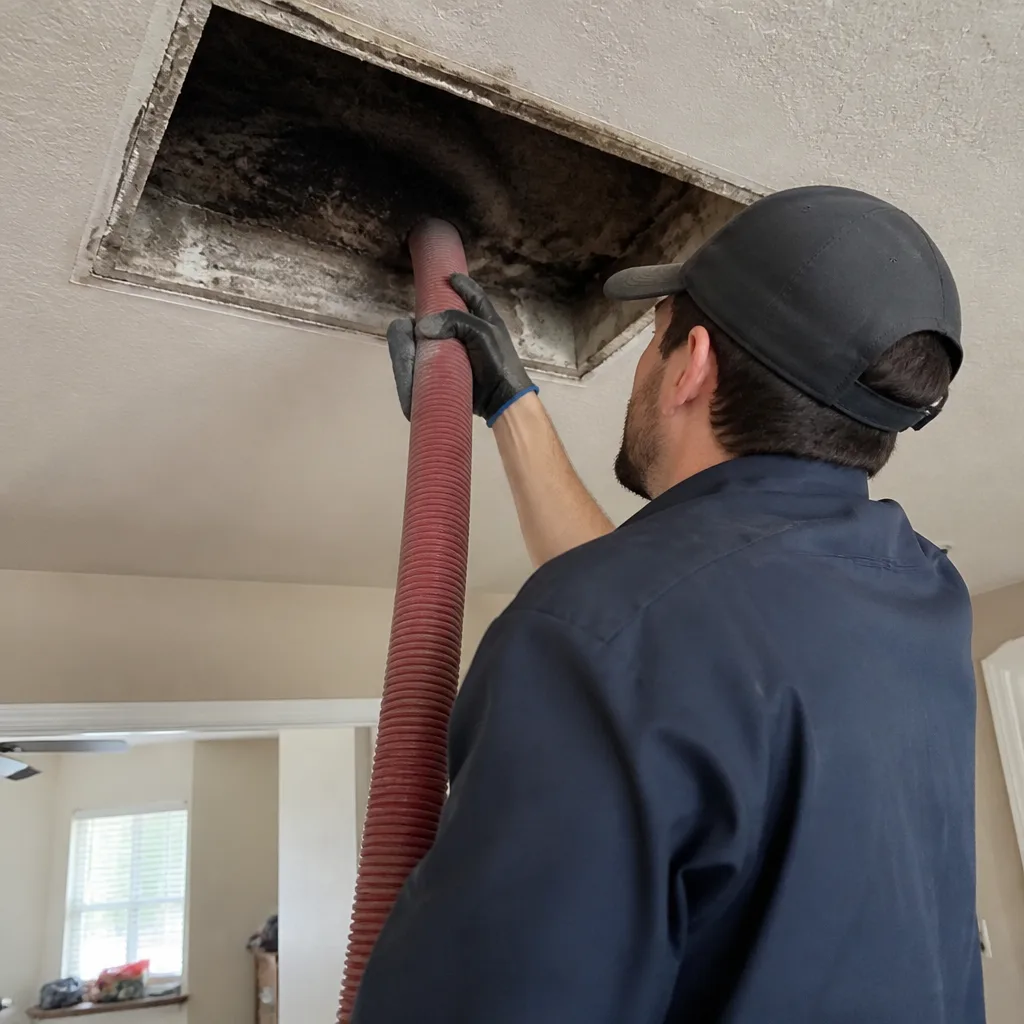 Before
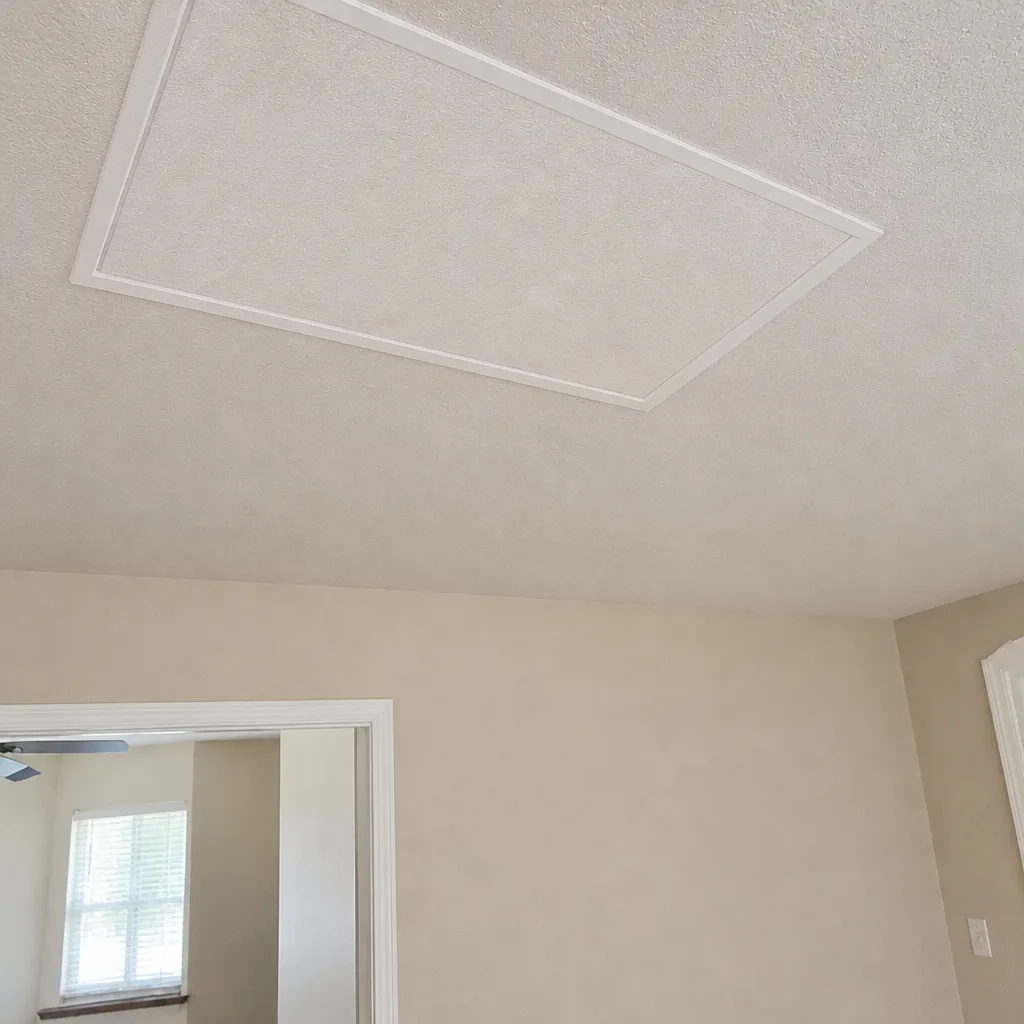 After
When to Call a Professional
Call a professional when you see visible mold in the ductwork or around a register, when the system has never been cleaned and the home is more than a few years old, when a recent remodel generated drywall dust and construction debris that may have entered the duct system, or when anyone in the home has respiratory sensitivity that seems to track with HVAC use. Call when you notice uneven airflow between rooms, a musty odor that returns after cleaning, or duct work that looks loose, disconnected, or crushed. Call before buying or selling a home with recent duct modifications, so the permit picture is clear. Draper Air Duct Cleaning offers free estimates in Draper – call (855) 658-5334. We answer 24/7. Fast dispatch from 7am to 7pm, Sunday through Friday.
Frequently Asked Questions
No. Routine air duct cleaning in Draper does not require a permit because it’s maintenance, not construction. Cleaning removes debris from an existing system without changing its layout or components. The permit question only enters the conversation when the work crosses into duct repair, replacement, resizing, or aerosol sealing – those are alterations, and a mechanical permit may be required. Call (855) 658-5334 for an exact quote if you’re unsure which category your job falls into – estimates are free.
Often, yes. Utah adopts the International Mechanical Code, and significant alterations to a duct system – replacing runs, adding branches, resizing trunks, or rerouting supply or return ducts – generally require a mechanical permit through the local building department. The permit triggers an inspection that verifies the work meets code. Smaller repairs like sealing a joint may not, but the scope decides. Ask the contractor to state in writing whether a permit is required for the specific work being proposed.
In Draper, a whole-system air duct cleaning typically runs in the mid-hundreds of dollars for a standard single-family home, with pricing depending on the number of systems, the home’s square footage, and whether sealing or sanitizing is added. Repair and sealing are quoted separately because they depend on what’s actually wrong. We price per system, not per vent, and the written estimate sets the final price before work starts. Call (855) 658-5334 for an exact quote – estimates are free.
Because the low quote usually doesn’t cover the same work. A cheap quote is often a per-vent teaser that grows on-site once the technician starts adding line items, or it reflects a shop vac and a brush rather than rotary contact cleaning, HEPA vacuum extraction, and negative-air containment. Ask what equipment the contractor brings and whether the price is per system or per vent before you book. If a quote is dramatically lower than the rest, the difference is in the scope, not the value.
It can. Aerosol sealing changes the leakage characteristics of the duct system, and many jurisdictions treat it as a modification rather than maintenance, which means a mechanical permit and inspection may be required. Utah’s rules follow the adopted International Mechanical Code, and Draper enforces through its building department. Ask the contractor directly whether the job will be permitted and inspected. If they can’t answer, call us at (855) 658-5334 – we’ll clarify the scope before anyone commits.
You should see before-and-after photos of your own duct system, not stock photos or a generic gallery. Ask for photos of the air handler, the main trunk, and a representative supply and return branch, taken before and after cleaning. If sealing is involved, ask for leakage measurements showing what changed. Documentation matters because ducts are hidden – without photos and measurements, you’re taking someone’s word for it. Call (855) 658-5334 to schedule a free estimate and see what documentation we provide.
The Bottom Line
In Draper, routine duct cleaning needs no permit. Duct repair, replacement, modification, and aerosol sealing can require a mechanical permit under Utah’s adopted International Mechanical Code, and Draper City’s building department enforces it. Mold inside ducts may cross into abatement and a different licensing standard entirely. Unpermitted duct work can stay invisible for years, then surface during a home sale inspection and cost the seller time and money. The practical move for any homeowner is simple: ask whether the work is maintenance or alteration, ask whether a permit is required, and ask for documentation of what was done. That clarity is worth more than a cheap quote.
Ready to get an honest assessment of your duct system? Draper Air Duct Cleaning provides residential and commercial air duct cleaning, dryer vent cleaning, HVAC cleaning, duct repair and sealing, and air quality sanitizing in Draper. Our technicians have up to 13 years of experience, we use professional-grade Rotobrush, Nikro, Abatement Technologies, and Guardsman equipment, and we work with Honeywell and Aprilaire product lines for whole-home air quality. We price per system by written estimate, and before-and-after photos document what was done. Call (855) 658-5334. We answer 24/7. Fast dispatch from 7am to 7pm, Sunday through Friday.
Written by the team at Draper Air Duct Cleaning.