
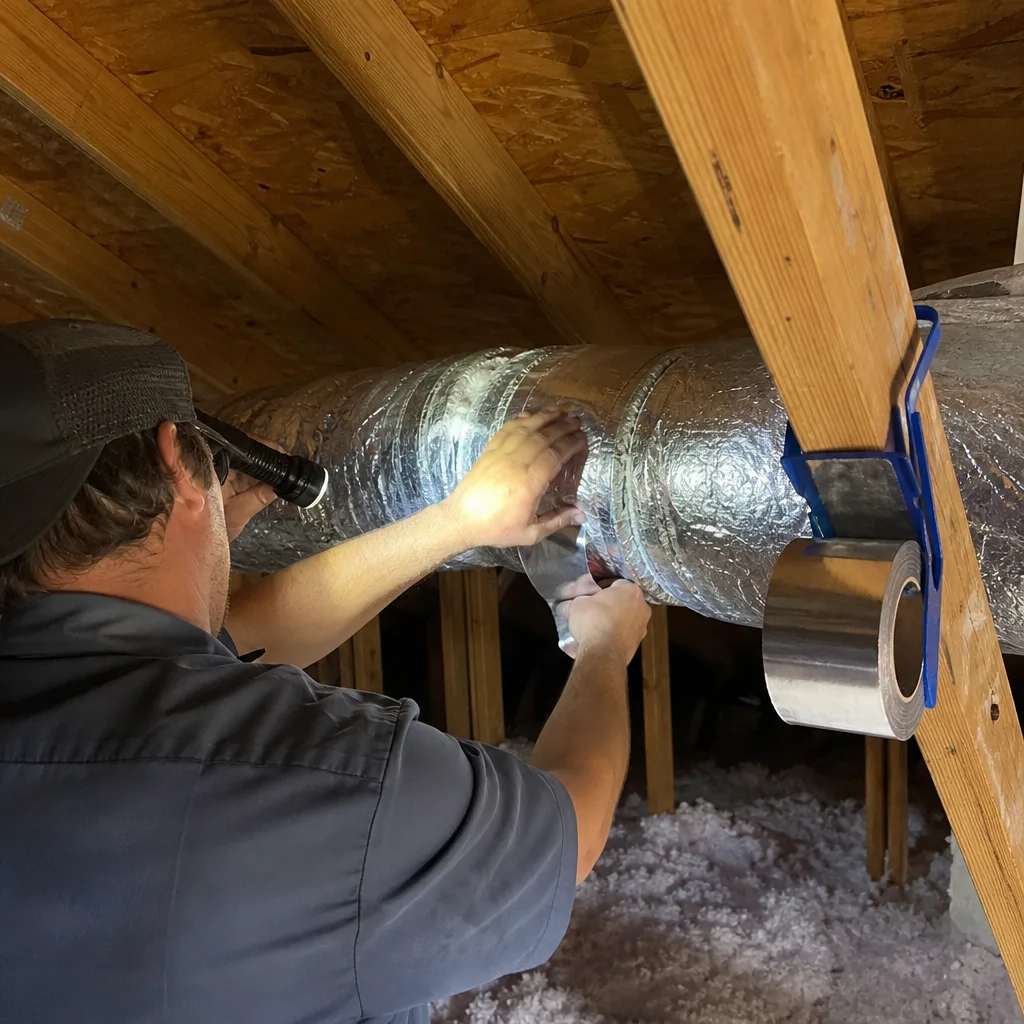
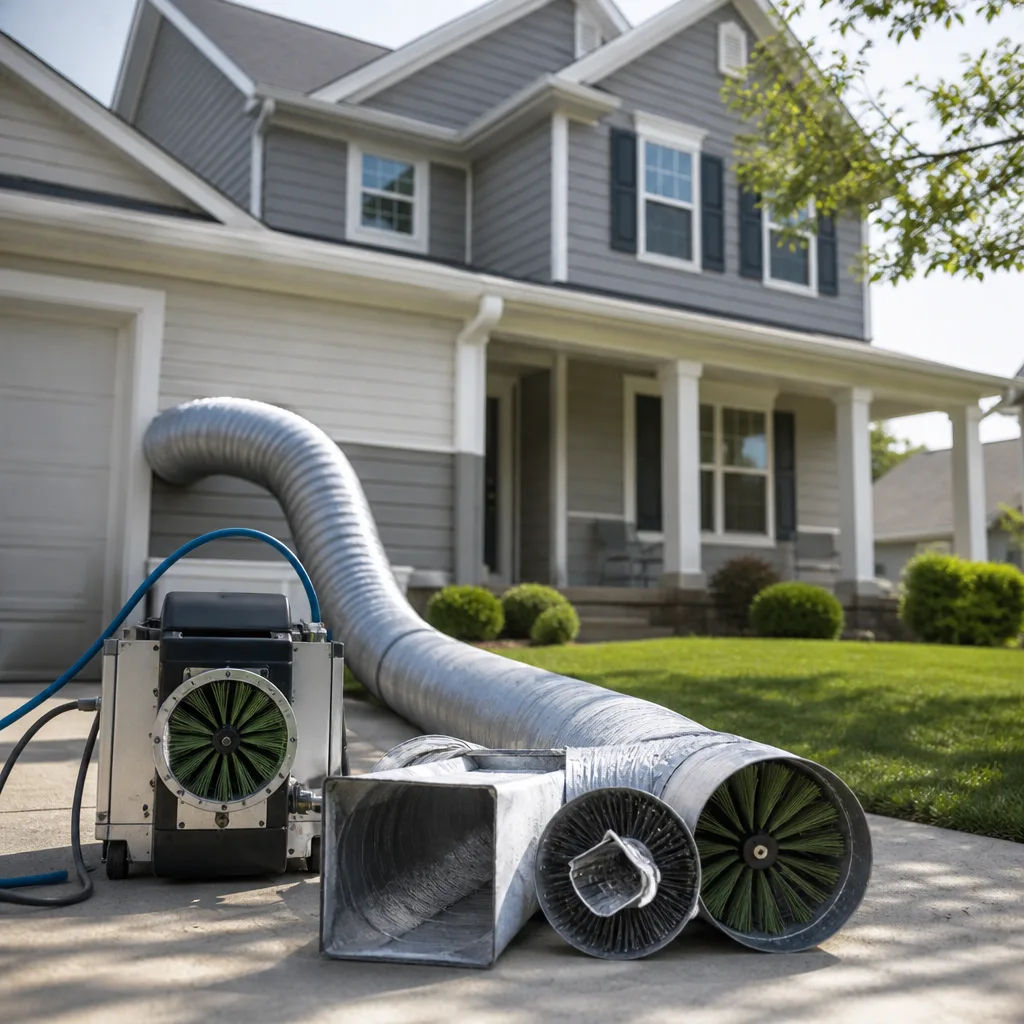
 Whole-home duct cleaning
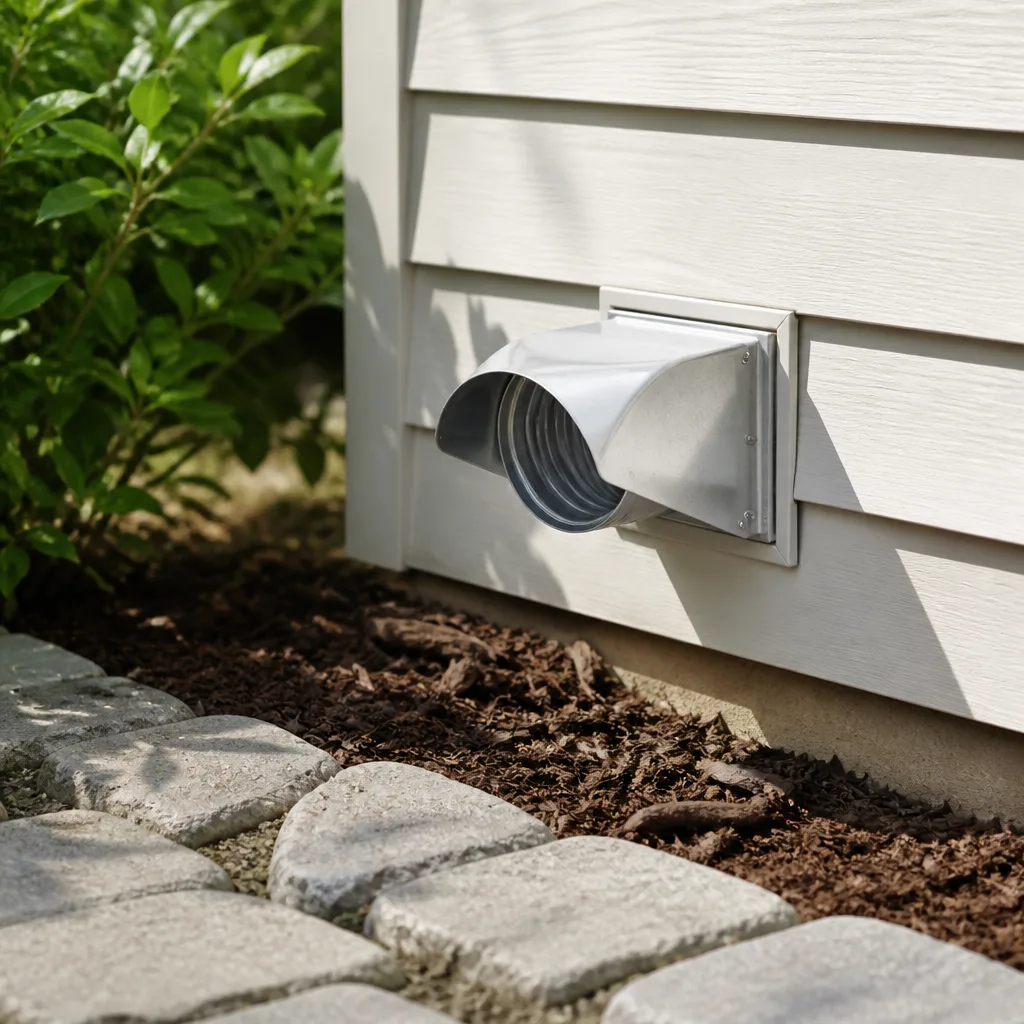 Dryer vent cleaning
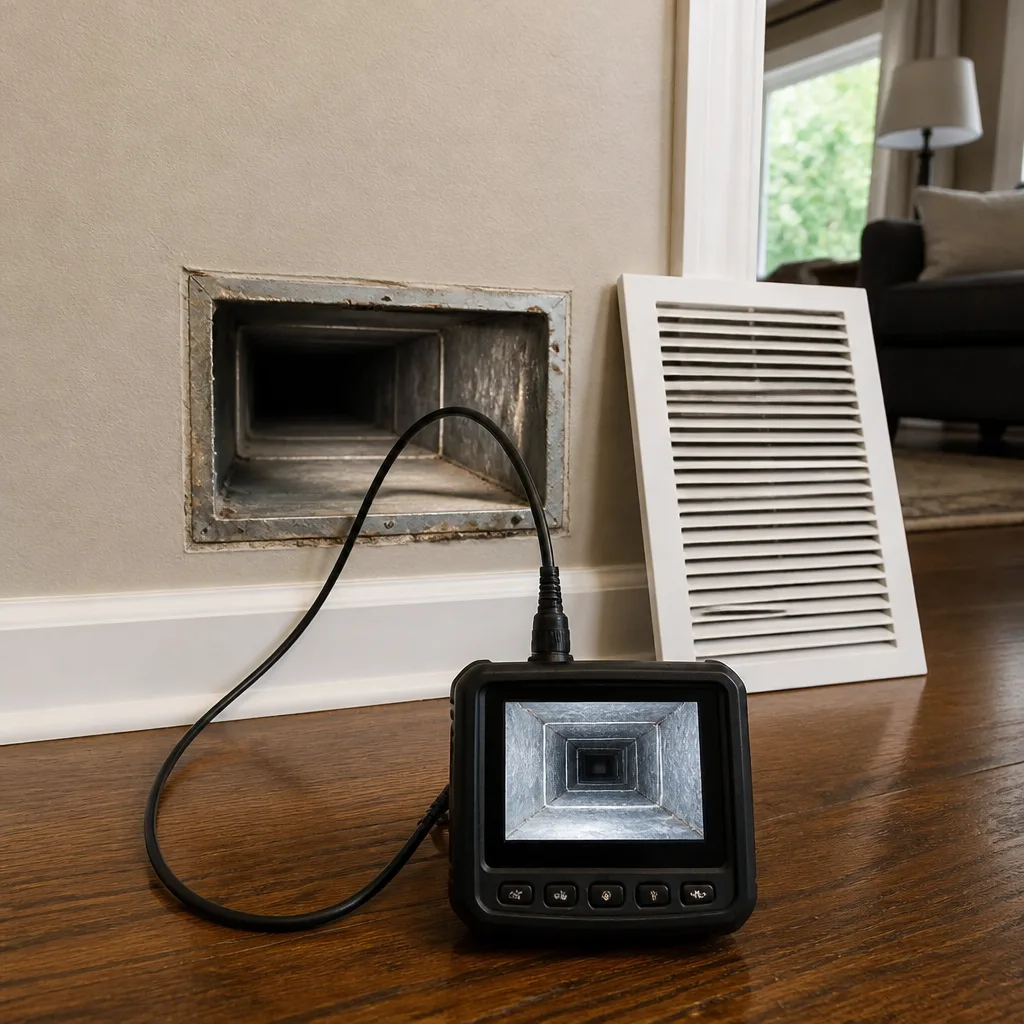 Camera inspection
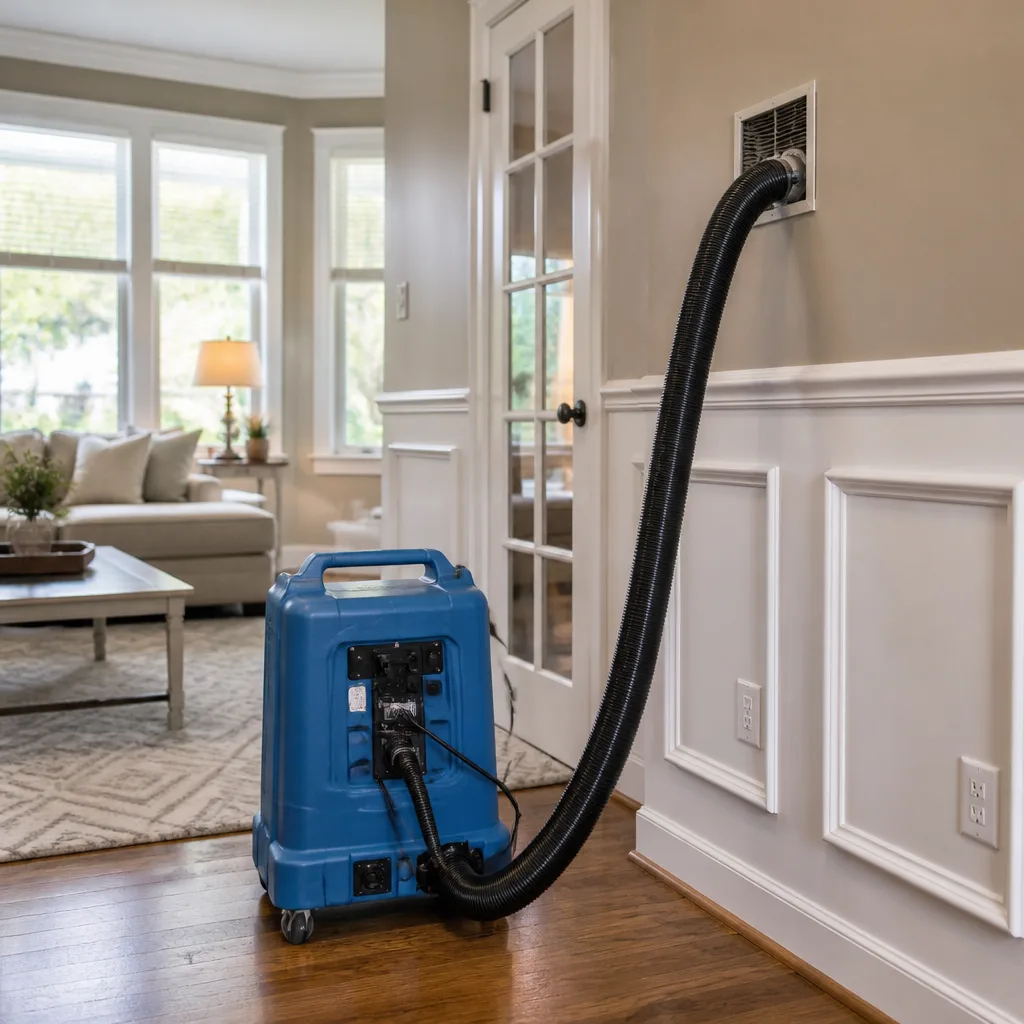 Sanitizing & deodorizing
Whole-system duct and dryer vent check with before-and-after photos - you see exactly what came out of your vents
That "$99 whole-house special" is a bait ad - the real number appears once they are in your hallway, or the "clean" is a shop-vac at the register. We photograph the inside of your ducts before and after instead.
Styles & brands we work with
- Whole-home duct cleaning
- Dryer vent cleaning
- Camera inspection
- Sanitizing & deodorizing
See the difference
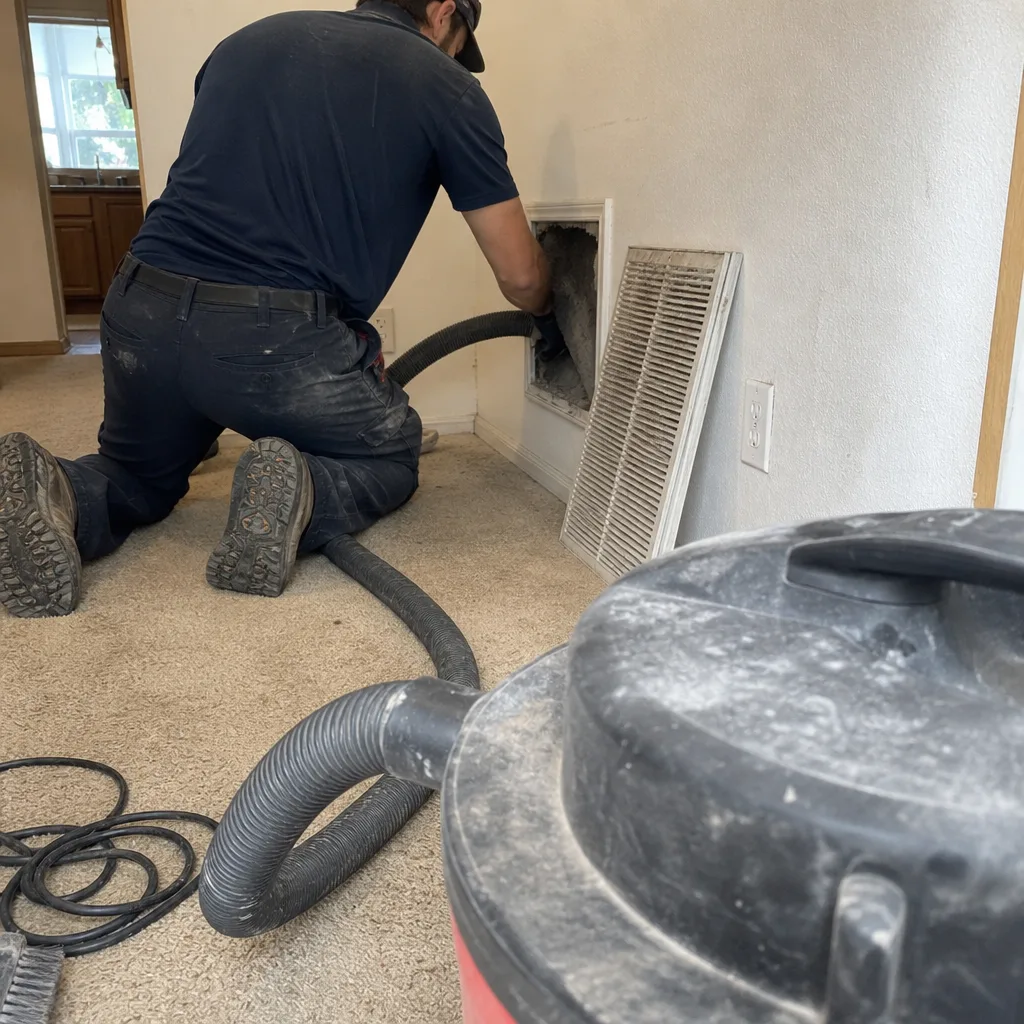 Before
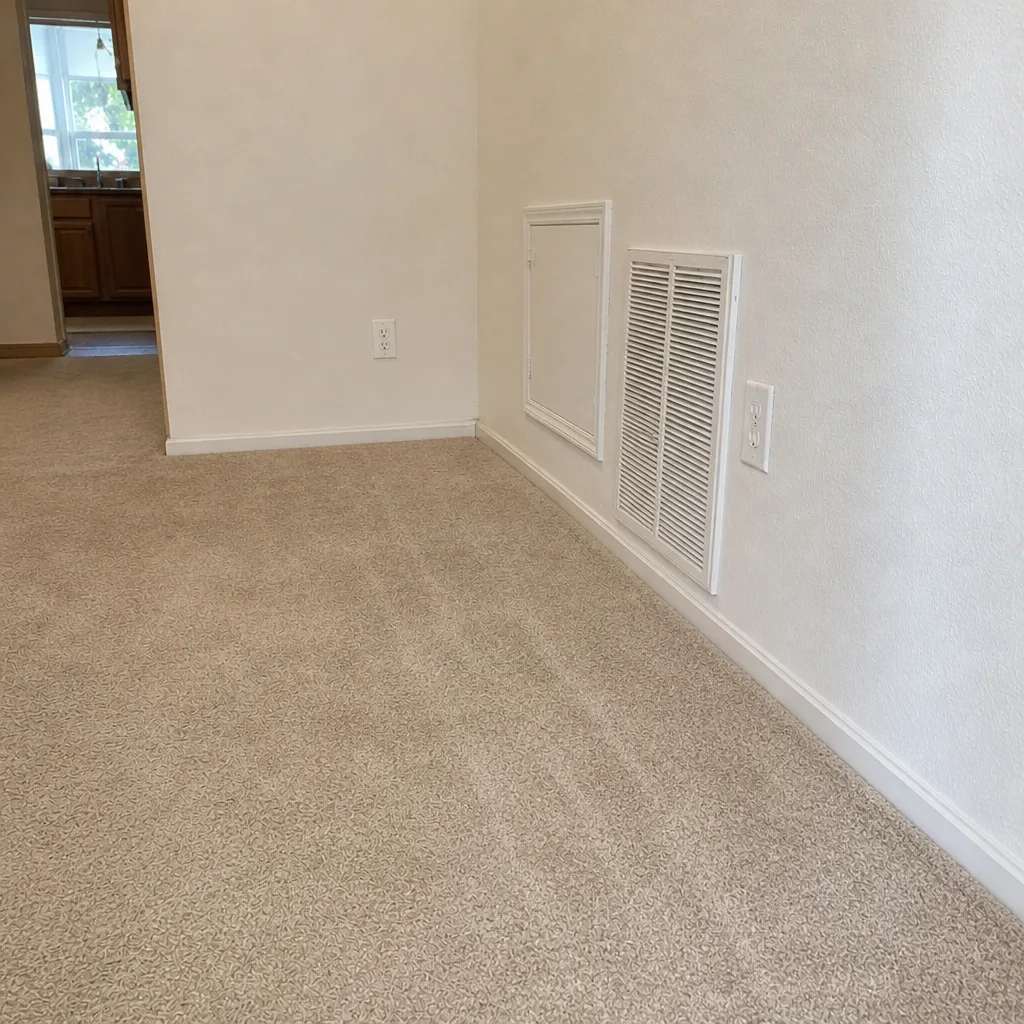 After
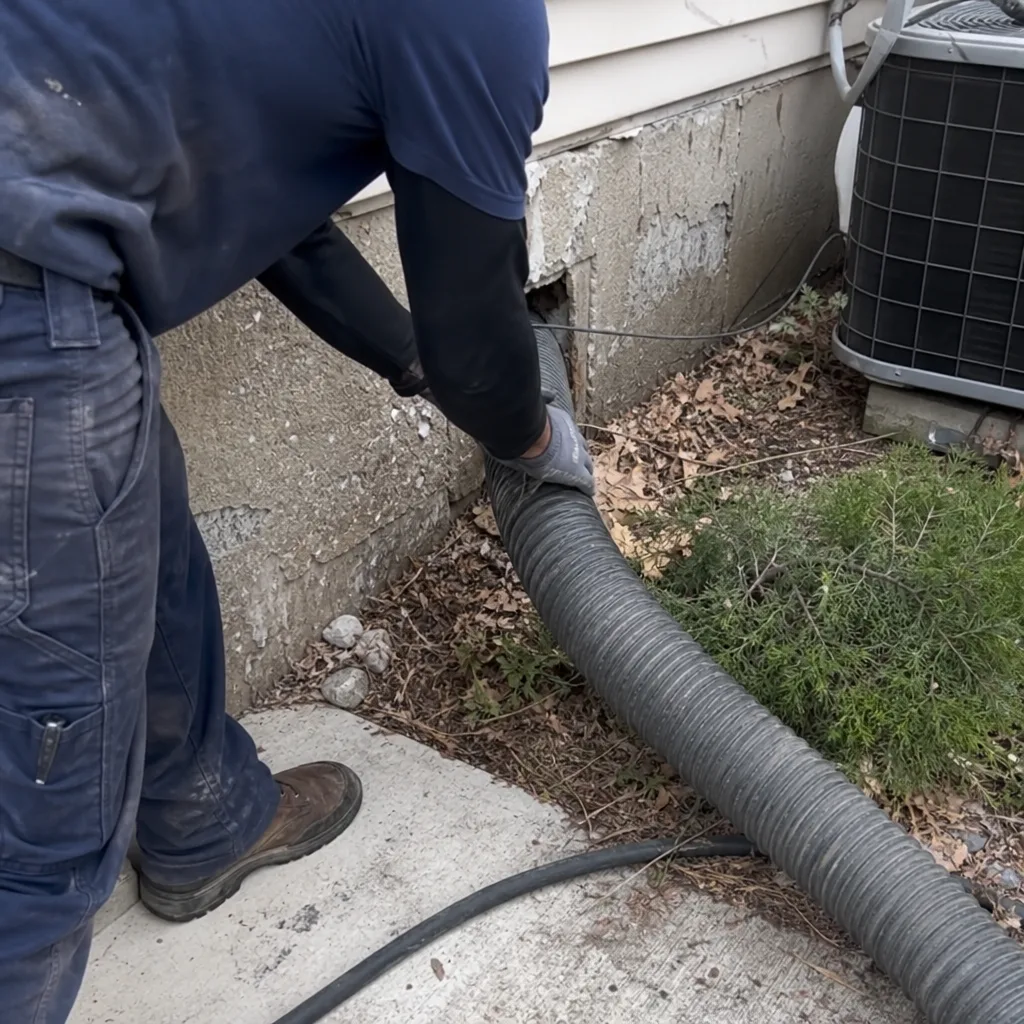 Before
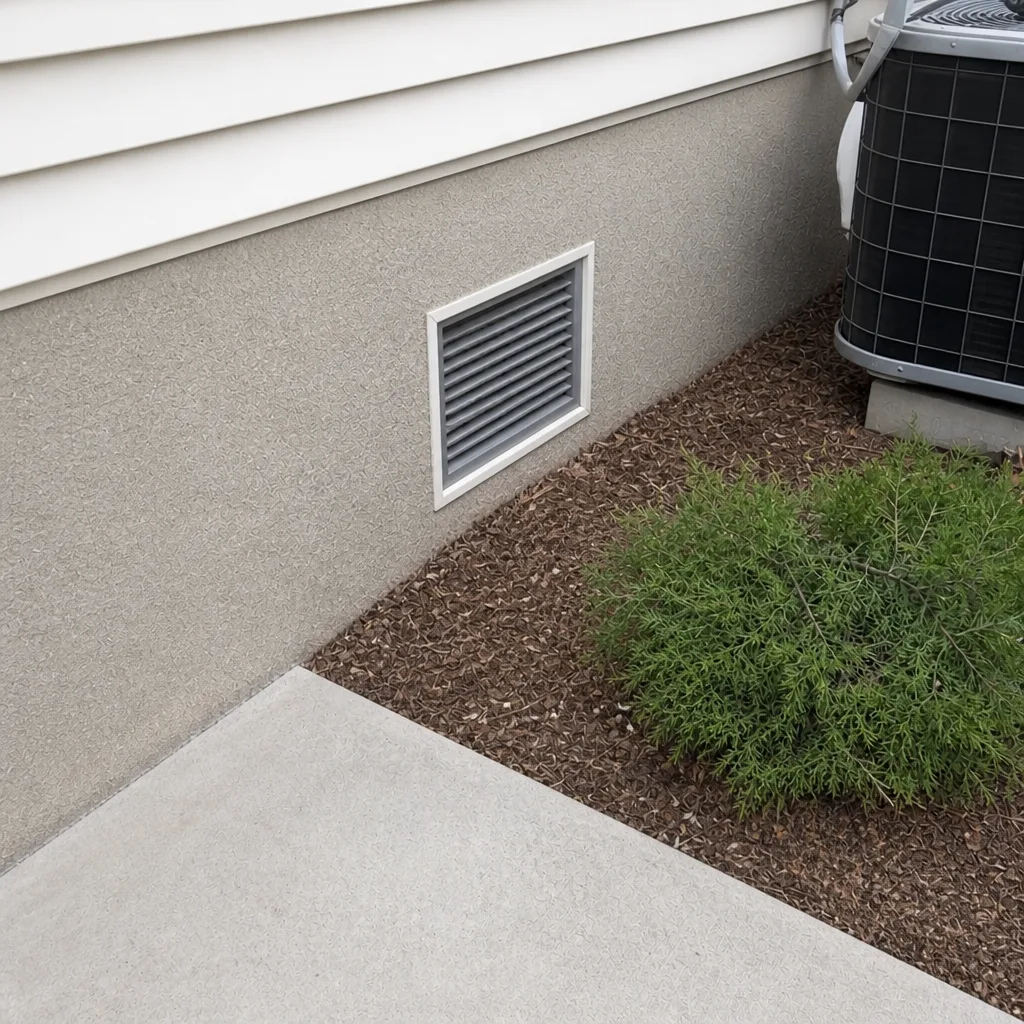 After
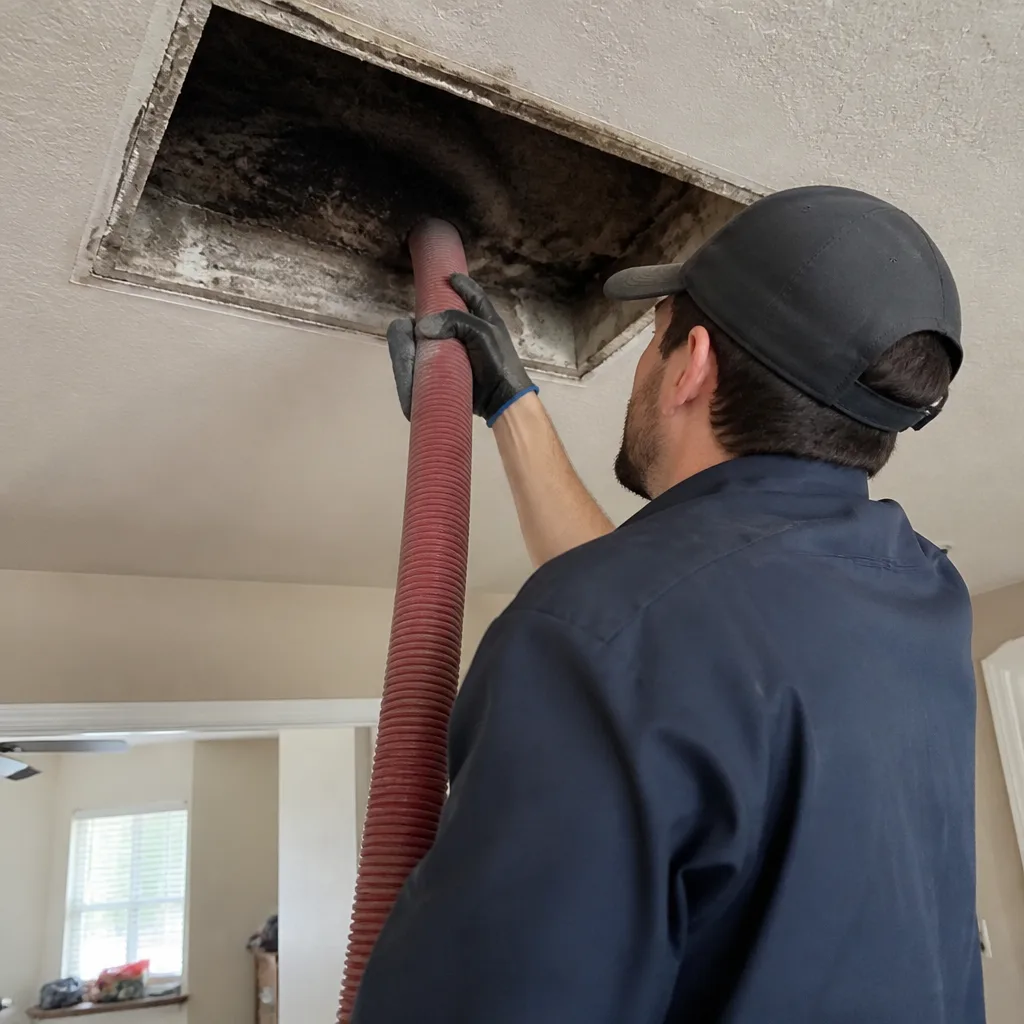 Before
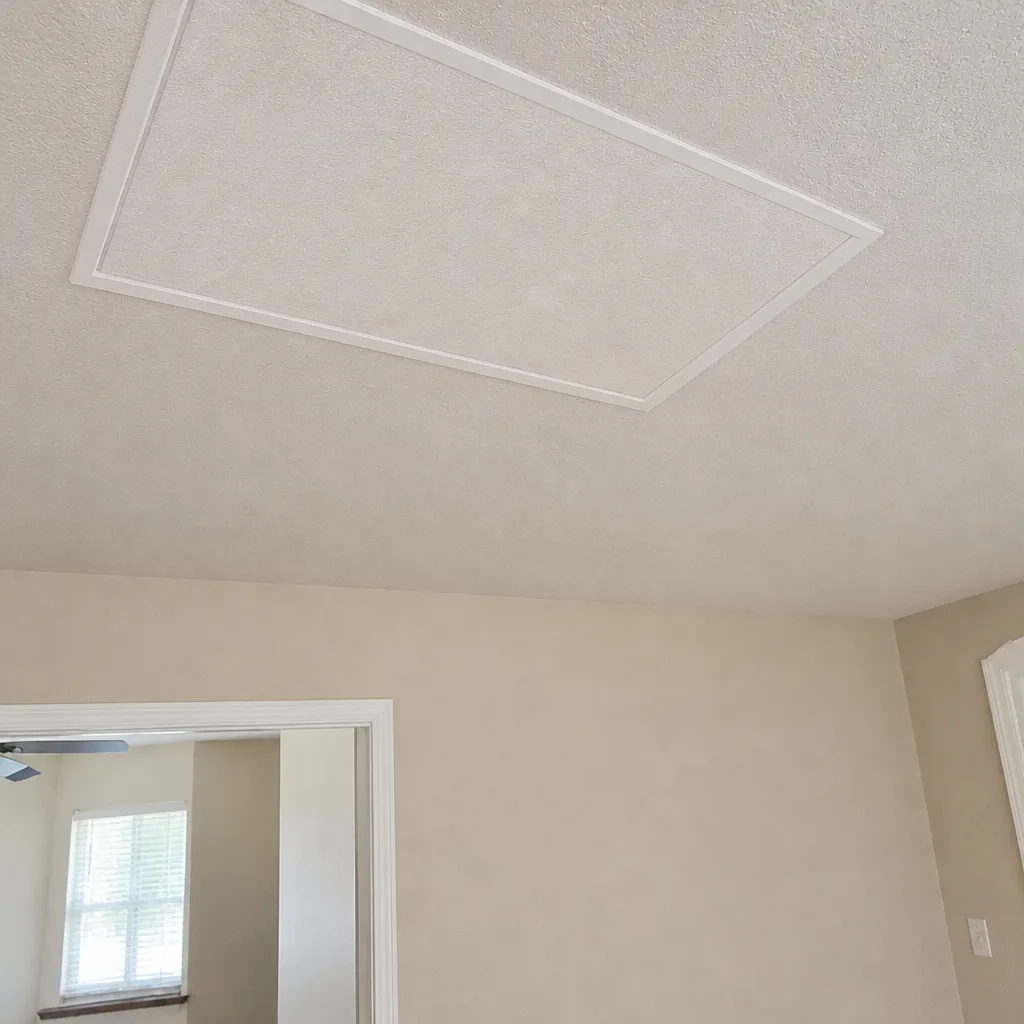 After
How Much Does Duct Repair & Sealing Cost in Draper?
Duct repair and sealing in Draper typically costs $350 to $1,200 for most homes, with small fixes like a single disconnected joint closer to $180 and whole-system sealing of a larger house running $900 to $1,800. The exact number depends on how many leaks a technician finds, how accessible the duct runs are, and whether the system needs new fittings or just sealing. A written estimate sets the final price, and we give that estimate for free.
If you’ve noticed rooms that never quite heat or cool, dust that settles back onto the furniture within a day, or a utility bill that keeps creeping up while your thermostat stays the same, you’re looking at the usual symptoms of a leaking duct system. Draper sits at the base of the Wasatch Range, where the temperature swings hard between seasons and houses run their HVAC systems most of the year. That steady workload tends to find the weak joints first. Here’s what repairs and sealing actually cost in Draper in 2026, and what moves the number up or down.
Duct Repair & Sealing Cost Breakdown (2026)
These are typical estimates for the Draper market. Every job is priced per system after an inspection, so treat each range as a starting guide rather than a fixed quote.
| Line item | Typical range |
|---|---|
| Single disconnected or torn joint repair | $180 – $400 |
| Section replacement (crushed or collapsed run, 10-20 ft) | $350 – $800 |
| Sealing all accessible joints with mastic and mesh (average house) | $450 – $950 |
| Whole-home sealing, larger or complex layout | $900 – $1,800 |
| Insulation wrap or re-wrap on exposed ducts in attic or crawlspace | $250 – $700 |
| Duct cleaning before repair and sealing | $300 – $700 |
| Air quality or sanitizing treatment after sealing | $250 – $650 |
| Repair plus full sealing, combined | $700 – $1,500 |
Most Draper homes with a handful of leaks fall in the $500 to $900 band once you combine targeted repairs with sealing. The price climbs when a technician has to reach runs that are buried behind drywall, packed into a tight attic space, or routed through a crawlspace that’s hard to navigate. Simpler jobs, like a flex duct that pulled loose from a boot, come in lower and are often done the same visit as an inspection.
One thing we hear often: “My ducts are new, so why would they leak?” Installation is where a lot of leaks begin. Builder-grade joints get taped and left, tape fails over time, and pressure finds the gap. Age of the home matters less than how the system was put together. That’s why we inspect before we quote. Cleaning, repair, and sealing all belong to one job in many cases, so see Draper Air Duct Cleaning for how the cleaning phase lines up with the repair scope.
What Affects Duct Repair & Sealing Pricing in Draper
Every house has its own list. Here are the factors that show up most in our estimates around Draper.
- Number of leaks found. A single loose boot costs very little to fix. A system with a dozen leaking joints across several rooms takes more time and materials, which pushes the estimate toward the upper bands. Sealing every accessible joint costs more up front but usually saves more over a season.
- Accessibility of the duct runs. Ducts tucked up in a low attic or routed through a crawlspace take longer to reach, and that labor adds up. Homes with an unfinished basement or a clean attic usually sit on the lower end, and homes where a technician has to move insulation or work around framing sit higher. Draper’s newer subdivisions sometimes use tighter mechanical closets than older neighborhoods closer to the east bench.
- Duct material and condition. Flex duct is quick to repair and cheap to replace in short runs. Rigid sheet metal takes more fabrication and fitting, so it costs more per section. Ducts that show crushed sections, pest damage, or standing moisture inside are a bigger job than ordinary leaking joints.
- Seasonal temperature swings along the Wasatch Front. Draper runs long heating seasons and hot summers, and the repeated expansion and contraction of duct materials stresses taped and mastic joints. Homes that have run the system hard for several years tend to show more leaks at the same age than homes with a lighter load. We use that when we size an estimate, since sealing a hardworking system has to hold through both a cold winter and a hot July.
- Whether cleaning comes first. Sealing over a dirty duct system traps the dust inside. A cleaning pass before sealing costs more up front but produces a clean, sealed system, which is the outcome most people actually want. Combining the two also means one visit instead of two.
- Insulation condition. Exposed ducts in an attic lose heat through the wrap as well as the joints. Re-wrapping worn insulation on the attic runs is a modest add-on that shows up in the same estimate as the sealing work.
Does Duct Sealing Really Lower Energy Bills in Draper?
Yes, sealed ducts usually lower heating and cooling costs because the conditioned air reaches the rooms instead of leaking into the attic or crawlspace. We don’t publish a savings percentage, since that depends on the system and the house, but the mechanism is straightforward: leaks waste the air you already paid to heat or cool, and sealing returns that air to the living space. In a place like Draper, where the furnace and the air conditioner both work long seasons, small leaks add up over a year. The clearest way to see the effect is to compare a heating season before and after on the same utility bill.
Testing before and after is part of a professional job. Our technicians use equipment from Rotobrush, Nikro, and Abatement Technologies, and we run negative-air containment with Abatement tools during the work so dislodged dust gets captured instead of pushed into the rooms. Ducts are only as clean as the machine doing the work, and the same holds for repairs: the seal has to hold under pressure, not just look tidy from the outside.
Repair or Replace? How Draper Homeowners Decide
Repair and seal is usually the cheaper path when the duct system is intact and the leaks are at joints. Replacement makes more sense when several runs are collapsed, badly undersized, or wrapped in damaged insulation throughout. In practice, a technician inspects first and marks the specific problems. If repairs clearly deliver a sealed system, that’s the recommendation. If half the runs need replacing anyway, a like-for-like repair would just hide the problem. Either way, you get the findings in writing before any work begins.
How to Save on Duct Repair & Sealing
The most effective way to keep the cost down is to catch leaks early. A small tear is cheap to repair. Left alone, it lets dust and moisture into the system and eventually damages the surrounding duct, which turns a small repair into a section replacement. Here’s what we suggest for Draper homeowners:
- Act on the early signs. Rooms that never feel right, whistling at vents, visible dust streaks near a register, or a bill that drifts upward are all worth a look. An inspection costs nothing when it comes with an estimate for the work.
- Bundle cleaning and sealing. Combining the two means one visit and one set of mobilizing costs instead of two. You end up with a clean, sealed system, and sealing over clean ducts is the only seal that holds.
- Seal on the accessible side of the system. The joints a technician can actually reach cost far less to seal than ones that require opening drywall. Draper homes with an unfinished basement or open attic get much better value from sealing, and you’ll see that reflected in the estimate.
- Fix the wrap while the ducts are open. If worn attic insulation is part of the picture, re-wrapping at the same time costs less than a separate appointment later.
- Take the free estimate seriously. A written estimate lays out each line item, so you can choose the repairs that matter most and defer the rest. Call (855) 658-5334 and ask for a free estimate.
One more practical point: sealing is a professional job. Joints under pressure need the right mastic and mesh in the right places, and the airflow needs to be understood before you close anything off. This is not a job for foil tape from the hardware store. For a closer look at the repair scope, see duct repair & sealing on our site.
What Does a Duct Repair & Sealing Visit Involve?
A typical visit starts with an inspection of the full system. The technician checks the air handler connections, the trunk lines, the branch runs, and each register boot. They look for disconnected joints, torn flex, crushed sections, missing insulation, and signs of moisture. From there, the scope is set: which leaks are repaired, which sections are replaced, and whether sealing covers all accessible joints or a targeted set. You get that scope in writing before work begins.
During the work, we run negative-air containment to keep dislodged dust out of the rooms, then use contact-cleaning equipment on the interior of the ducts where cleaning is part of the scope. Sealing follows with mastic and mesh at the joints, and any new sections are fitted and taped. When the wraps need refreshing, insulation goes back on the exposed attic runs. Prior to any sealing on systems with contamination concerns, we can include an air quality or sanitizing treatment so the finished system is clean, sealed, and sanitized, not just sealed over the dirt. Our technicians have up to 13 years of experience with this kind of work, and they run professional-grade equipment, not contractor substitutes.
Why Professional Duct Sealing Beats DIY
You can buy mastic and foil tape at a hardware store in Draper today. The part you can’t buy off the shelf is the diagnostic step: figuring out which joints are actually leaking, whether the airflow balance in the house is the real problem, and how much sealing the system can take before something else needs adjusting. Leaks in a forced-air system don’t always show themselves where you think. A technician locates them by pressure, not by eye. That’s also why we don’t recommend a full tape-and-go approach: tape fails in the cycles of a Utah heating season, while proper mastic and mesh hold.
One safety note that matters more than the price. If the ducts share a plenum or chase with gas-fired equipment, or the job involves the furnace itself, that’s gas and combustion territory. Sealing ductwork that runs near a gas appliance or the flue should be handled by a trained professional. We’re happy to explain what we find and recommend the right trade where another specialist is needed. Safety comes before the price list.
FAQs – Duct Repair & Sealing Cost
How much does duct repair cost in Draper?
Duct repair in Draper typically costs $180 to $800 depending on scope, with a single disconnected joint at the low end and a section replacement on the higher end. Sealing all accessible joints runs $450 to $1,800 on top of that, and a full repair-plus-seal package usually lands between $700 and $1,500. Call (855) 658-5334 for an exact quote. Estimates are free.
Can you come today?
Yes, same-day service is often available. We answer 24/7 and dispatch technicians Sunday through Friday, 7am to 7pm. A call outside dispatch hours is booked into the next opening. To get on the schedule, call (855) 658-5334.
Is it cheaper to repair or replace ductwork?
Repair is almost always cheaper for individual leaks, at $180 to $800, versus replacing whole runs at several times that. Replacement makes sense when sections are collapsed or the entire system is undersized. A written estimate will show you which path fits your system. Call (855) 658-5334 and we’ll walk you through the findings.
Do I need duct cleaning before sealing?
Yes, cleaning first is the right order if the ducts are dirty. Cleaning typically costs $300 to $700 on its own, and combining it with sealing avoids a second visit. Sealing a dirty system traps dust inside, so clean, sealed, sanitized is the sequence that holds up. Ask for a free estimate at (855) 658-5334.
What are the warning signs my ducts need sealing in Draper?
Hot or cold rooms that never come up to temperature, dust settling quickly, whistling vents, and climbing utility bills are the usual signs. Each of these points to air escaping before it reaches the room. Repair and sealing commonly costs $700 to $1,500 for a Draper house once the scope is set. Call (855) 658-5334 to schedule a free estimate.
Pricing reflects the Draper market as of 2026. Draper Air Duct Cleaning offers free estimates – call (855) 658-5334.
If you’ve been putting off a look at your ducts because you expected a big number, call us. The estimate is free and the written scope spells out every line. Call (855) 658-5334. We answer 24/7. Fast dispatch from 7am to 7pm, Sunday through Friday.
Written by the team at Draper Air Duct Cleaning.
What Our Customers Say
"They photographed every return and supply before starting and sent me the file afterward. No upsell to a sanitizing treatment I didn't need."
- Amanda Rhodes"Did the dryer vent while they were here for a small add on price. The dryer now finishes a load in one cycle instead of two."
- Holly Delaney"Two guys, about three hours, plastic down at every register, and they wiped the vent covers before putting them back."
- Dustin Parker