
Last updated November 23, 2026
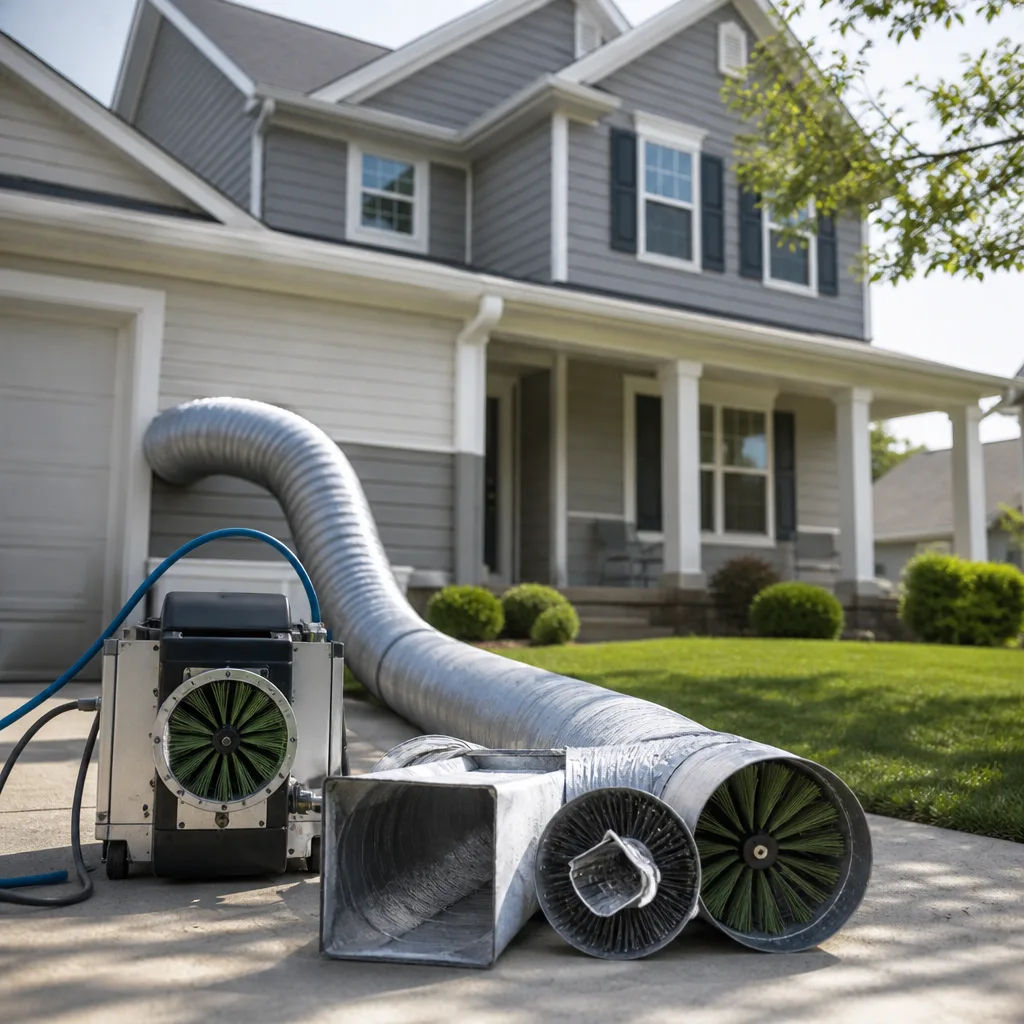 Whole-home duct cleaning
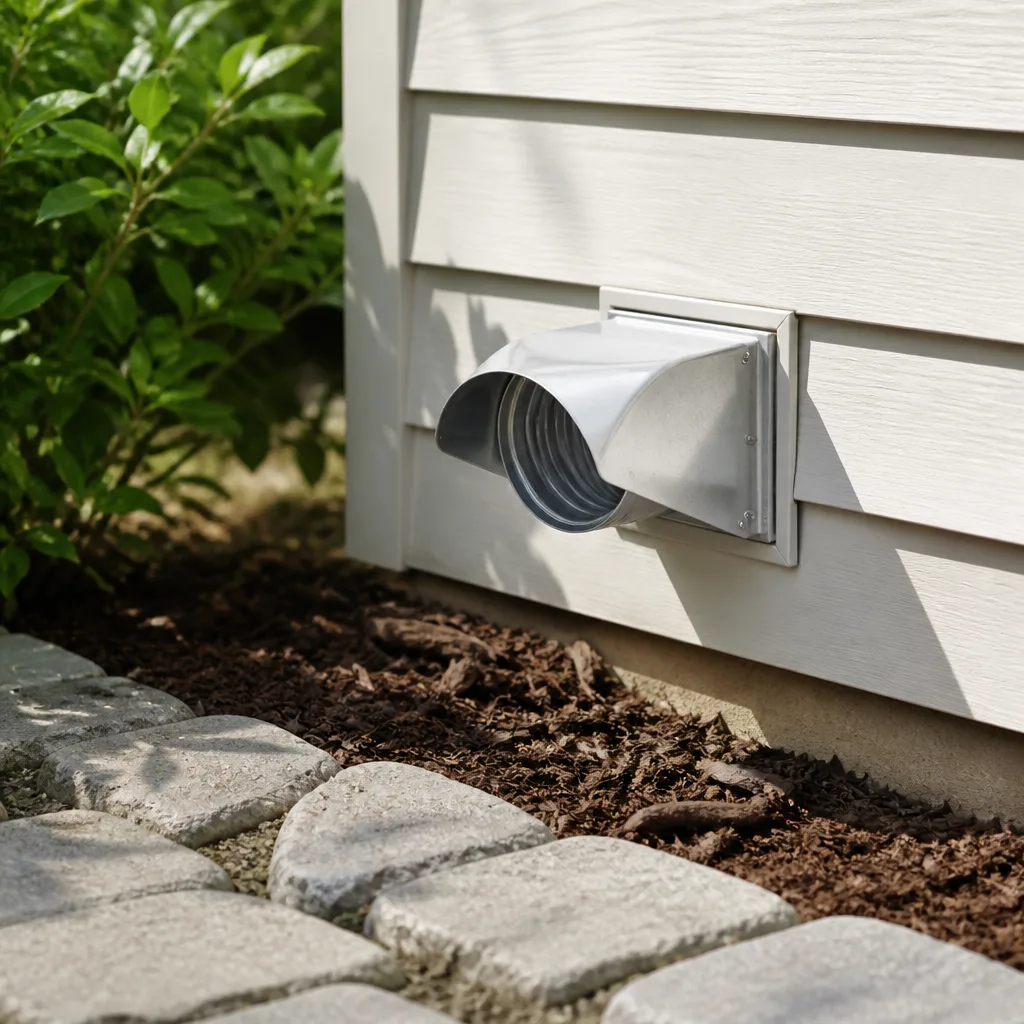 Dryer vent cleaning
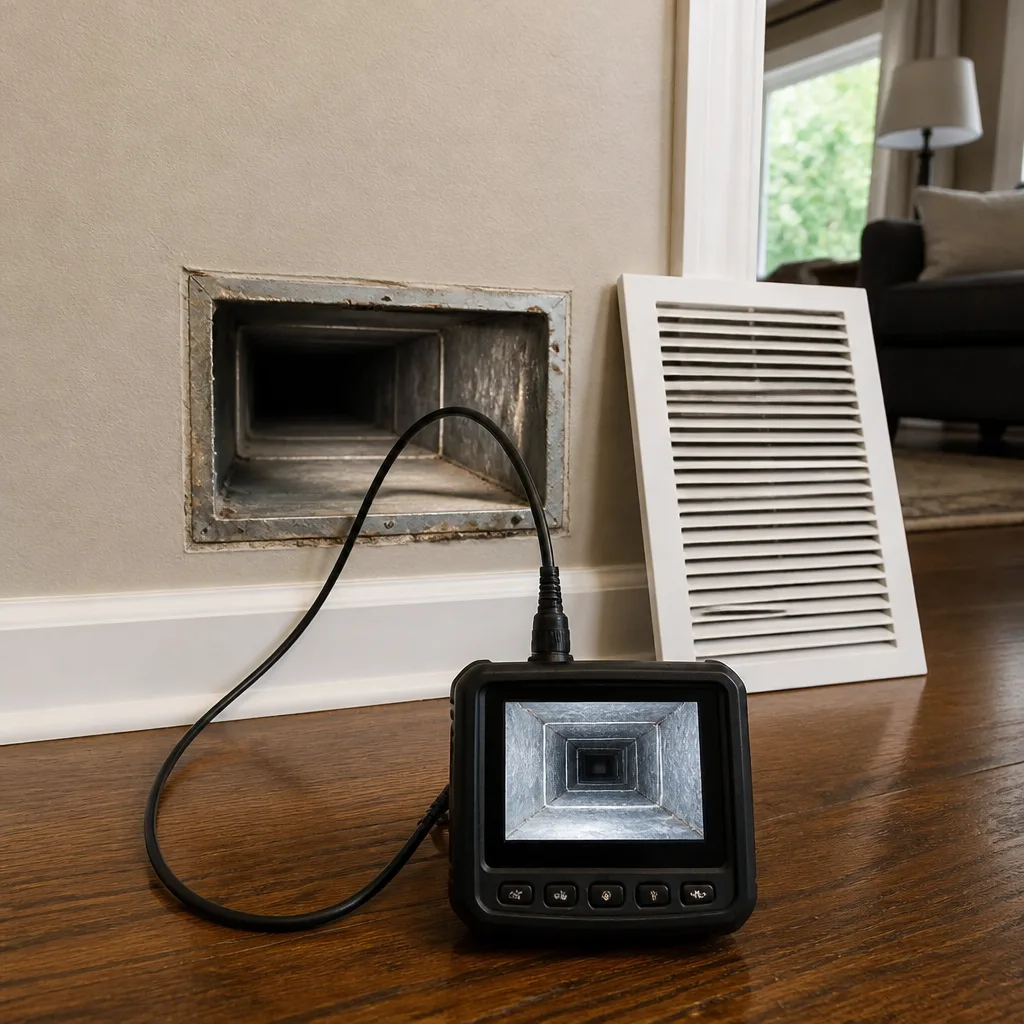 Camera inspection
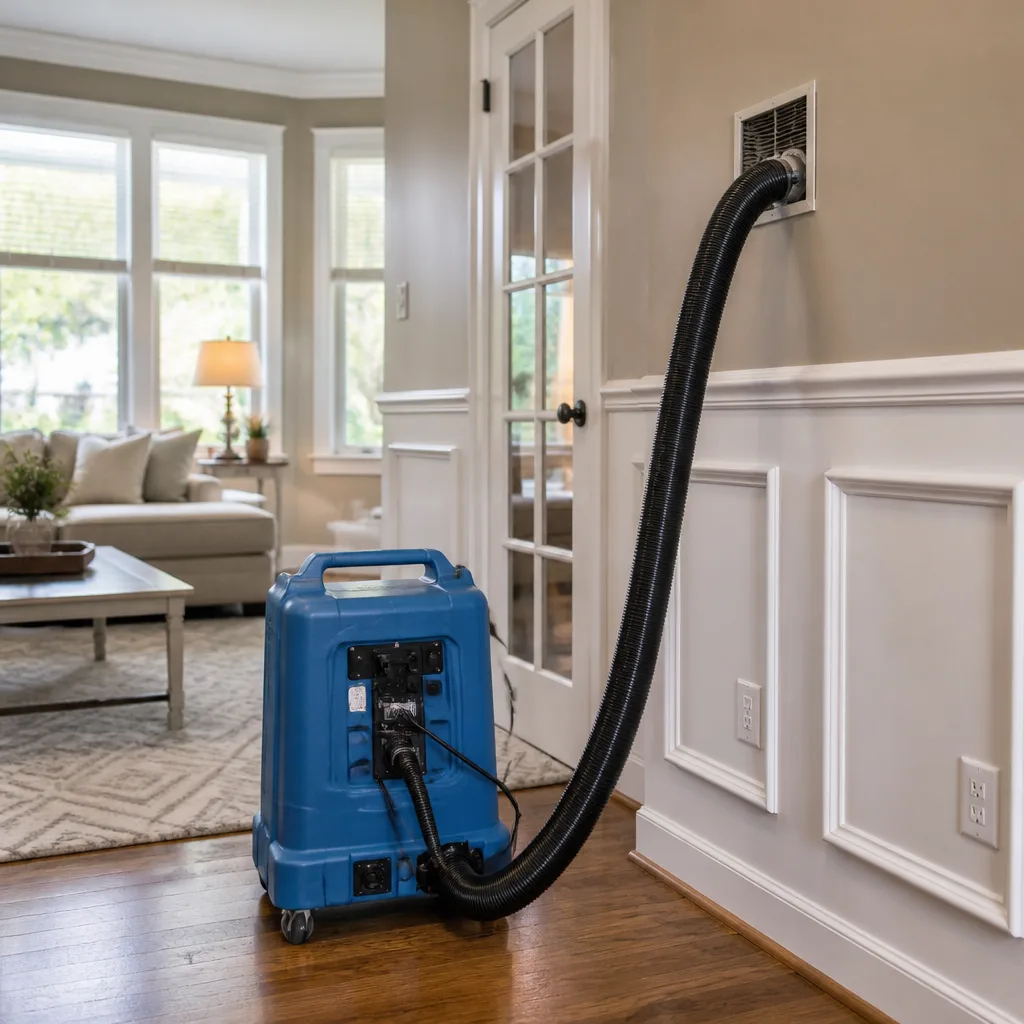 Sanitizing & deodorizing
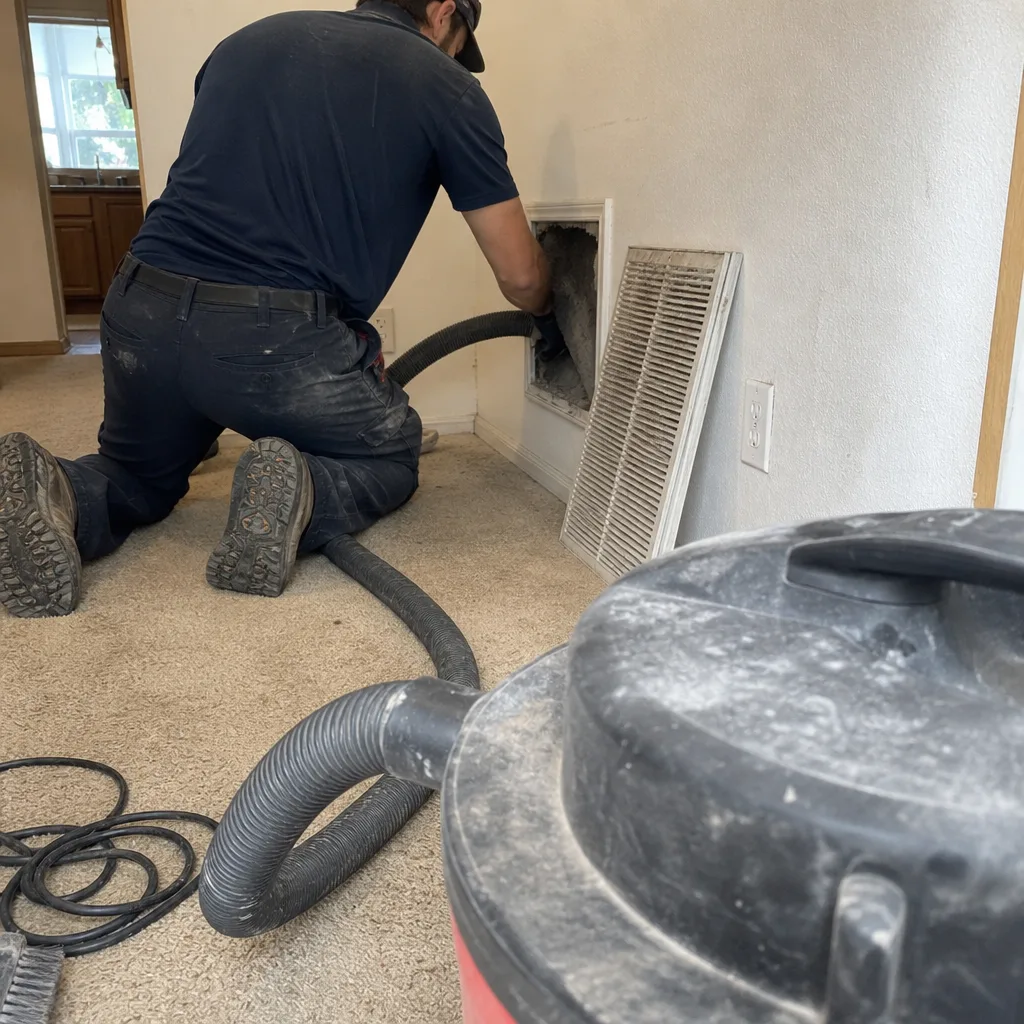
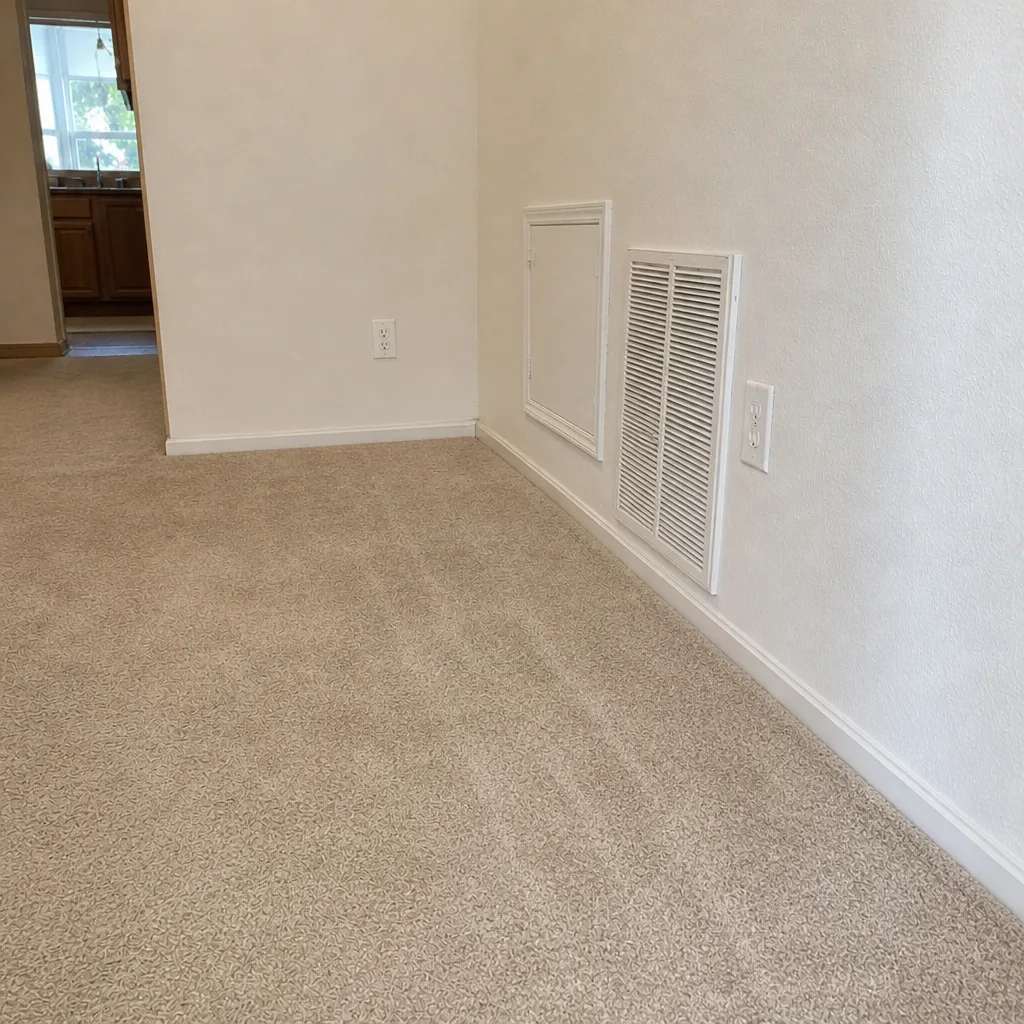
Whole-system duct and dryer vent check with before-and-after photos - you see exactly what came out of your vents
That "$99 whole-house special" is a bait ad - the real number appears once they are in your hallway, or the "clean" is a shop-vac at the register. We photograph the inside of your ducts before and after instead.
The Complete Guide to Air Duct Cleaning in Draper
A shop vac attached to one supply register is not air duct cleaning. It’s theater. The industry standard for this work, the one the EPA points to, requires that the entire duct system be placed under negative pressure before a single brush turns. Most low-bid crews never bring a negative-pressure machine to the house at all. They pull a little dust out of the register nearest the front door, show you the filter, and leave the rest of the system untouched. This guide maps what a complete job actually involves in Draper: the six components of a duct system, the equipment each one demands, why our high-desert particulate load changes how often cleaning is needed, and how to verify on the day of the visit that the work was done rather than described.
Quick Answer
Air duct cleaning in Draper means cleaning six connected components as one system: supply trunks, return plenums, the air handler, the evaporator coil, the drip pan, and the registers. A complete job places the whole system under negative pressure, agitates debris with a rotary contact tool while extracting it with HEPA filtration, and finishes with photographic evidence from inside the ductwork. Skipping any one component lets the rest recontaminate, often within weeks.
Styles & brands we work with
- Whole-home duct cleaning
- Dryer vent cleaning
- Camera inspection
- Sanitizing & deodorizing
Table of Contents
- The Six Components of Your Duct System
- Why Your Ducts Are Only As Clean As the Machine Doing the Work
- How Draper’s High-Desert Climate Changes the Cleaning Schedule
- What NADCA ACR Standards Require on the Job Site
- Rotobrush Agitation and Nikro Extraction: Why Both Run at Once
- What a Post-Cleaning Inspection Should Actually Show You
- Cleaning, Sealing, and Sanitizing: The Rest of the System
- Dryer Vent Cleaning as a Separate Safety Service
The Six Components of Your Duct System
Most Draper homeowners picture duct cleaning as one job on one set of pipes. In practice, a forced-air system is six connected components, and each one collects a different kind of soil and needs a different tool to clean it properly. This is the part discount crews skip, because cleaning all six takes equipment and time that a shop vac cannot provide.
Here is the system, component by component:
- Supply trunks. The large ducts that carry conditioned air from the air handler to the rooms. They collect fine dust that settles out of the airstream, plus construction debris in newer Draper homes.
- Return plenums. The ducts pulling air back to the system. These run at lower velocity so more debris settles here than most people expect. The return is frequently the dirtiest run in the house.
- The air handler. The blower cabinet and fan. Cleaning the ducts without cleaning the blower leaves a dust reservoir pushing contamination right back into freshly cleaned runs.
- The evaporator coil. The finned coil where refrigerant absorbs heat. Dust coating those fins cuts efficiency and, in a humid pocket, can support biological growth. Coil cleaning needs a different technique than duct cleaning: low-pressure rinse and fin-safe tools, never a rotary brush.
- The drip pan. The pan under the coil catching condensate. It traps standing water, dust, and whatever grows in that mix. Cleaning the pan and clearing the drain line is a routine part of a proper HVAC cleaning.
- The registers and grilles. The visible face of the system. They need removal, washing, and reinstallation. A crew that cleans ducts but leaves dirty grilles reinstalled is putting a dirty filter over a clean run.
Clean five of six and the sixth recontaminates the other five. That’s why a full-system job matters in Draper more than a fast one. If you want a single provider covering all six components, that’s what our air duct cleaning service is built around.
Why Your Ducts Are Only As Clean As the Machine Doing the Work
The single biggest variable in duct cleaning quality is not technique, it’s equipment. A rotary brush attached to a shop vac pulls debris loose but cannot capture it. The vacuum is too weak, the filtration too coarse, and there’s nothing holding the duct system under negative pressure. Debris kicked loose by the brush simply settles somewhere else, often into living space through the nearest return grille.
Commercial-grade equipment is built differently. Here’s what each piece actually does:
- Rotobrush rotary contact systems. These are the same machines professional HVAC contractors use nationwide. A rotating brush head negotiates duct runs, agitates adhered dust off the walls, and pushes it into the airstream where an extractor can capture it. Agitation without extraction just relocates dirt.
- Nikro HEPA-rated extraction. Nikro equipment meets NADCA-recognized standards for HVAC cleaning and HEPA filtration. HEPA-rated means particles down to 0.3 microns are captured, not exhausted back into the room. That’s the difference between a cleaning and a distribution.
- Abatement Technologies negative-air containment. Seals the system and keeps it under continuous negative pressure during cleaning, so anything dislodged is captured inside the containment rather than leaking into living space.
All three run together. Agitation loosens, negative pressure contains, HEPA extraction captures. Skip one and you get a job that looks complete but leaves the ducts as dirty as they started. In Draper, where windy spring days drive fine dust into every return in the house, that gap shows up quickly.
How Draper’s High-Desert Climate Changes the Cleaning Schedule
Draper sits on the eastern bench of the Salt Lake Valley, at the base of the Wasatch Range. That geography drives a specific kind of particulate load that other Utah climates don’t produce. It’s a combination of wind-driven dust, seasonal wildfire smoke from across the West, and construction debris from ongoing residential building in the area.
Three things are happening at once:
- Wind-driven road and bench dust. The bench location picks up more airborne silt during spring wind events than valley-floor neighborhoods do. That silt enters return grilles first, not supply registers.
- Wildfire smoke season. Fine smoke particles travel hundreds of miles and lodge in duct interiors alongside ordinary dust. The result is a duct wall coating that ordinary agitation tools can’t fully lift without HEPA capture.
- New-home construction dust. Drywall dust, sawdust, and framing debris settle into duct runs during construction and stay there long after the home is occupied. Newer Draper homes often need a full first cleaning earlier than owners expect.
Homes in neighborhoods like SunCrest and the areas surrounding Corner Canyon pull in more wind-borne particulate because of their elevation and exposure. Homes closer to the valley floor and near Draper’s busy corridors (12300 South and the Bangerter corridor) get more road dust intake. Neither is a reason to panic, but both are reasons to schedule inspection-based cleaning rather than calendar-based cleaning. If a technician with a camera finds clean duct interiors, you don’t need the cleaning. If the camera shows a settled dust layer on the return runs, the schedule needs adjusting.
What NADCA ACR Standards Require on the Job Site
The NADCA ACR standard is the industry reference for how air duct cleaning should be performed. It’s not a certification you can see from the street, but you can watch for the specific practices it requires while a crew is in your home. A crew following ACR does things a low-bid crew physically cannot do with a shop vac.
Here is what to watch for, in order, from arrival to departure:
- Negative pressure established first. Before any cleaning starts, the system is sealed and connected to a negative-air machine. If you don’t see a containment machine hooked up, the cleaning hasn’t started.
- All registers opened and removed. Grilles come off and get washed. Not dropped in place with the vacuum waved at them.
- Source removal, not fogging. Air duct cleaning is about physically removing debris from the ducts. Fogging or spraying a chemical through the system without first removing the debris underneath is not cleaning, it’s masking.
- Agitation through every branch line. Rotobrush contact tools enter through access ports and clean the full run, not just the trunk lines.
- HEPA extraction running continuously. The extractor stays connected while the rotary tool runs. Both operate at the same time.
- Component access and cleaning. The air handler, coil, and drip pan get opened and cleaned, not bypassed.
- Photographic documentation. Before-and-after photos inside the duct runs, delivered to the homeowner, not shown once on a technician’s phone and taken away.
If you book a cleaning in Draper and the crew can’t show you negative pressure, HEPA extraction, and before/after photos, you’re not getting ACR-standard work. That’s the entire basis for asking questions on the day of the visit.
Rotobrush Agitation and Nikro Extraction: Why Both Run at Once
Rotary agitation and negative-pressure extraction are often described as two steps. They’re not. Done correctly, they run simultaneously, and that’s the only way a duct cleaning actually removes debris instead of redistributing it.
Here’s what each piece does and why the coordination matters:
Rotobrush agitation. The rotary brush head is fed through the duct run on a flexible whip. As it spins, it contacts the duct interior and lifts adhered dust from the walls. A lot of what’s in a Draper return duct is not loose. It’s compacted against the wall, held there by years of airstream pressure and settled moisture. Agitation is the only way to loosen it.
Nikro HEPA extraction. A HEPA-rated extractor keeps the duct under negative pressure while pulling air from the system. Every particle the brush loosens gets pulled toward the extractor rather than pushed downstream. HEPA filtration on the exhaust means particles that reach the extractor don’t get released back into the room.
Run them separately and you get the failure mode most homeowners never see: the agitation loosens dust, the extractor is turned off or disconnected during that phase, and the loosened dust settles back on the duct walls a room or two downstream. The crew vacuums the trunk, takes photos of the trunk, and leaves the branches just as dirty as before. In a home with three or four returns and a dozen or more supply runs, the difference between coordinated and uncoordinated cleaning is visible on the first camera pass.
This is also why drying equipment is not the answer here. Wet-cleaning a duct system in a dry climate still leaves residual moisture, and it’s added step, not a substitute for agitation and extraction. Dry methods with negative pressure and HEPA capture do the job.
What a Post-Cleaning Inspection Should Actually Show You
A verbal “all done” is not an inspection. A finished job in Draper should end with evidence you can keep: photographs of the inside of the duct runs, taken before the cleaning started and after it finished. Anything less is unverifiable.
Here’s what a proper inspection includes:
- Before-and-after photos inside the duct runs. Not just the trunk line. The returns, the branches, and the air handler interior. If a crew shows you a photo of one clean trunk and calls it done, ask for the rest.
- Photos of the coil and drip pan. The coil should look visibly clean between the fins. The pan should be dry and free of standing water and debris.
- Register photos. Grilles removed, washed, and reinstalled. Not just vac’d in place.
- A written summary of what was cleaned and what was found. Components cleaned, condition noted, any duct damage observed (loose joints, disconnected runs, sagging flex).
- Delivered documentation. Photos emailed or provided digitally, so the record stays with the homeowner and can be referenced if a repair is ever needed.
The photos serve a second purpose beyond one job. Duct systems change over years, and having a baseline record of what your system looked like at each cleaning helps identify developing problems (a sagging return, a joint working loose) before they turn into a repair. For households in Draper with allergy or asthma concerns, documented cleaning is also the only way to support an insurance or health record if the work was done in response to a specific event.
Our technicians have up to 13 years of experience running this inspection process on homes throughout the area, and the documentation comes with every job rather than being something you need to ask for.
Cleaning, Sealing, and Sanitizing: The Rest of the System
Cleaning is the front half of the job. The back half is making sure the system stays clean and the air it delivers is what you actually intended to breathe. That involves duct repair, duct sealing, and, when conditions call for it, air quality treatment.
Each of these covers a different problem:
- Duct repair. Flexible duct runs can tear, disconnect at joints, or collapse over time. A disconnected supply run dumps conditioned air into a wall cavity and pulls dust from that cavity into the system. Repair restores the run before sealing.
- Duct sealing. Sealing the joints in the system changes how the whole house moves air. Leaky returns pull from attics and crawlspaces; that air carries dust and whatever else is in those spaces. Sealing returns the system to pulling conditioned air from inside the home.
- Air quality and sanitizing. For homes with household allergy, asthma, or contamination concerns, a sanitizing pass targets the interior surface of the ducts after cleaning. Air quality treatment is not a substitute for cleaning, it’s a step after cleaning.
Beyond the ducts themselves, we work with HVAC cleaning, which covers the air handler, coil, and drip pan as an integrated service rather than a separate add-on. For homeowners considering whole-home air quality improvements, we’re familiar with Honeywell and Aprilaire product lines, which means we can advise on filtration and humidification options and support them as part of a full-system approach. Draper’s dry air makes humidification a real consideration, and filtration upgrades make more sense when the ducts feeding them are already clean.
Dryer Vent Cleaning as a Separate Safety Service
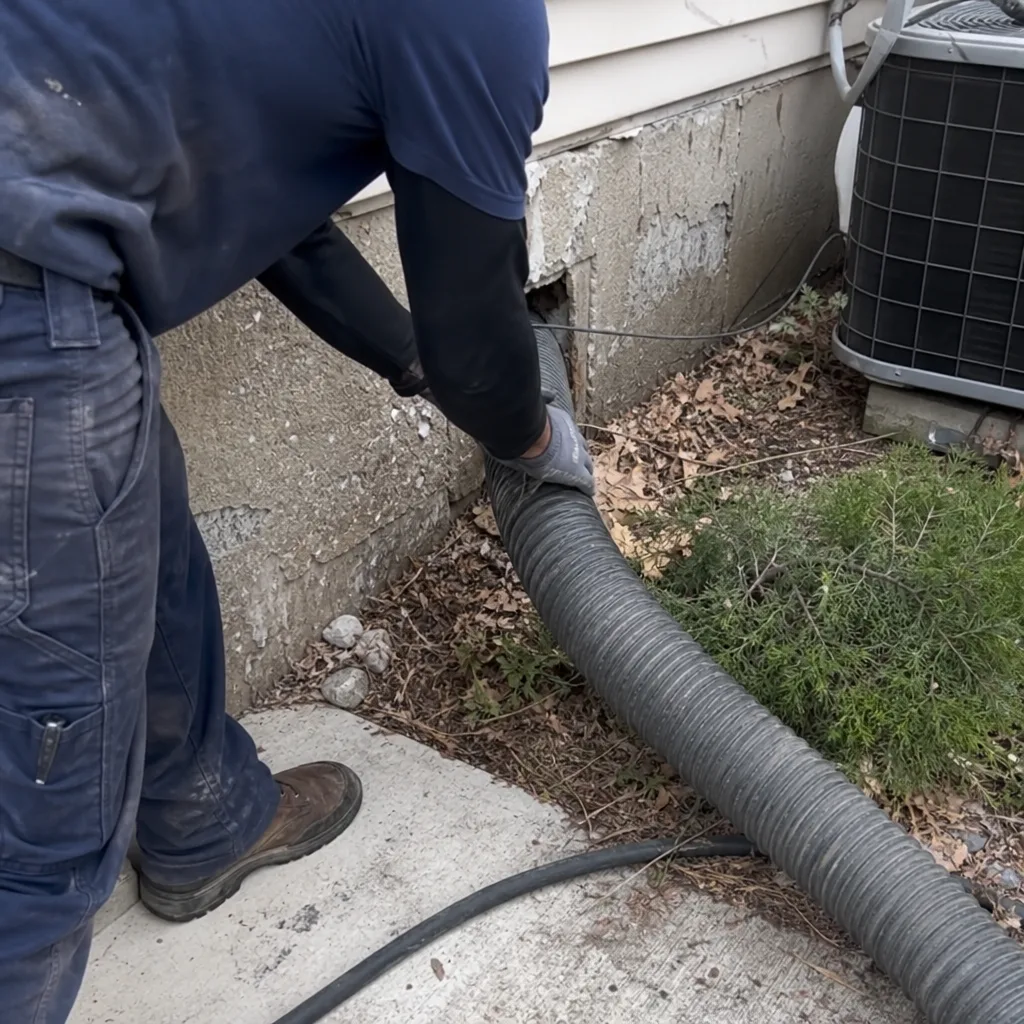
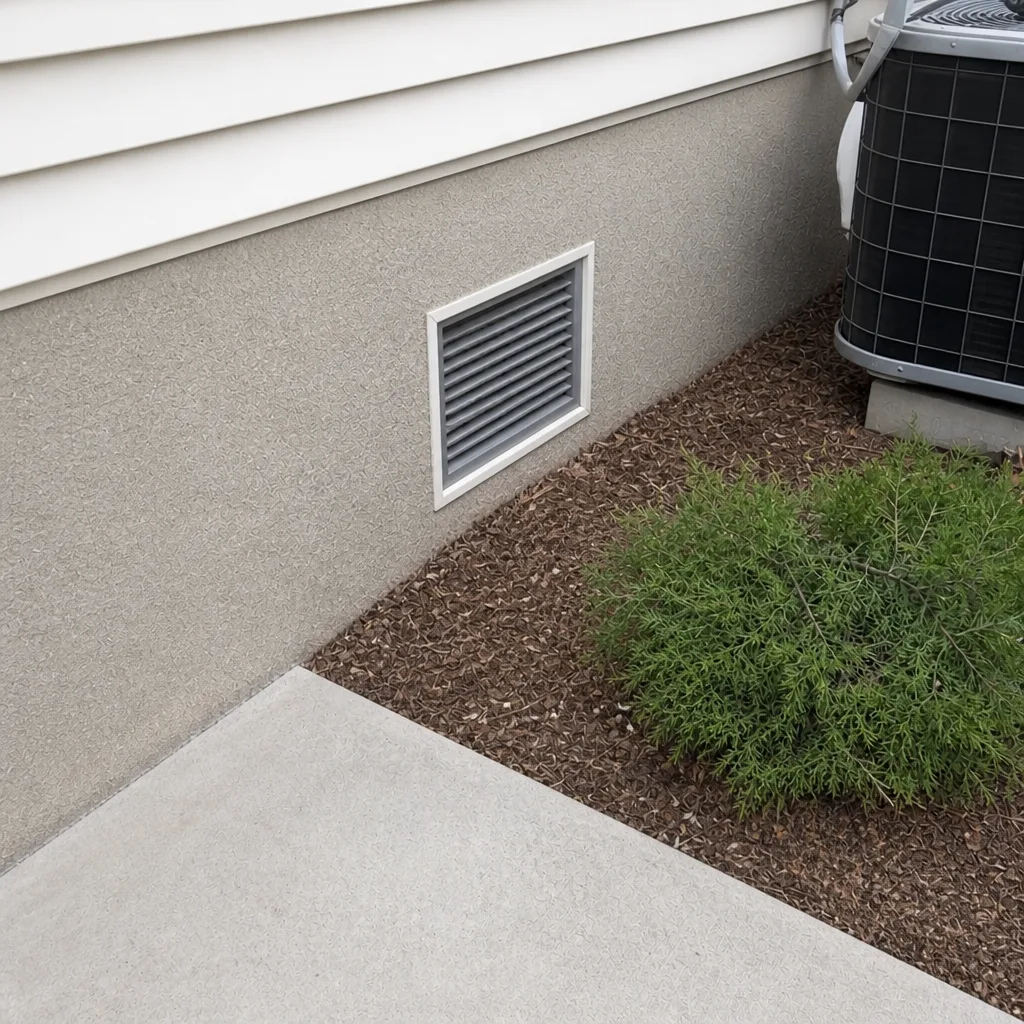
Dryer vent cleaning is not a duct cleaning upsell. It’s a fire-risk service with a specific, documented hazard behind it, and it needs its own visit because the equipment and technique are different from what cleans HVAC ducts.
Dryer vents clog with lint in a way that ductwork doesn’t. Lint is highly combustible, and when the vent is restricted the dryer runs hotter than designed. A clogged vent also extends dry times, which owners often misread as an appliance problem when the vent is the real issue. The cleaning process uses rotary tools sized for the vent run plus extraction to pull out what the tool loosens, and it should include a review of the exterior termination to confirm the flap opens and closes freely.
In Draper, dryer vent cleaning is worth scheduling on its own schedule, separate from duct cleaning. If you’re booking duct work, plan a dryer vent cleaning visit on a different cycle. The two systems don’t share equipment or timing.
Common Mistakes to Avoid
- Accepting a one-register “cleaning.” A shop vac waved at the nearest supply grille is not system cleaning. If the crew doesn’t hook up a negative-air machine, the ducts are not being cleaned, they’re being disturbed.
- Skipping the coil and drip pan. Clean ducts feeding a dusty coil still push contamination into the airstream. The coil and pan are part of the system, and cleaning without them leaves the job half-finished.
- Booking on price alone without asking about equipment. A cheap quote often reflects a shop vac, not a Rotobrush and Nikro setup. Ask what machines they’re bringing, and if the answer isn’t specific, keep looking.
- Not asking for before-and-after photos. Verification should be standard, not something you have to remember to request. If documentation isn’t offered, the work is unverified.
- Assuming new construction doesn’t need cleaning. Drywall dust and construction debris settle into duct runs and stay there long after the home is occupied. Newer homes in Draper, especially in areas with ongoing building activity, often need a first cleaning earlier than owners expect.
- Cleaning once and forgetting the calendar. Draper’s wind, wildfire smoke season, and ongoing construction near the bench mean duct systems here accumulate debris faster than in more protected climates. Cleaning should follow inspection, not a fixed number of years.
- Treating dryer vents as a minor add-on. Dryer vent cleaning is a separate service with a specific, documented safety case. If you book duct work, don’t assume the dryer vent got handled.
See the difference
 Before
 After
 Before
 After
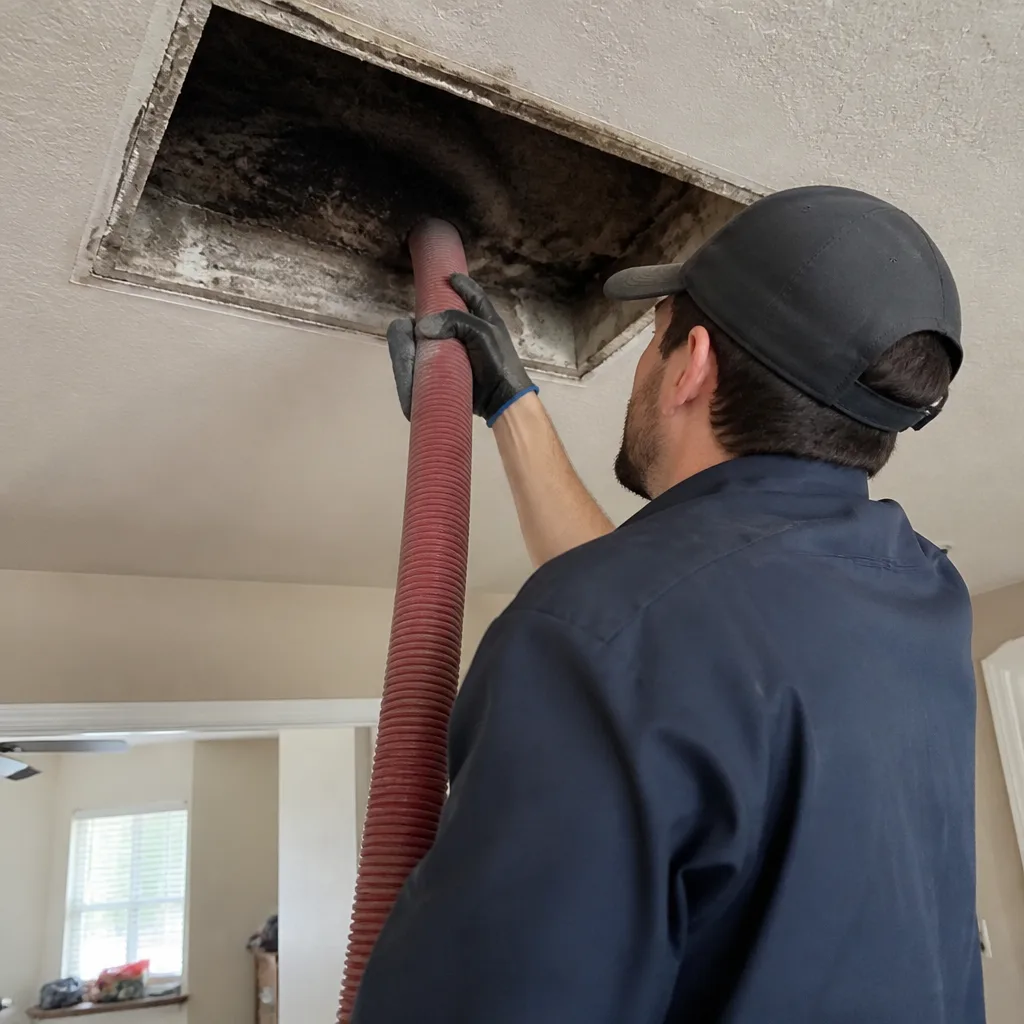 Before
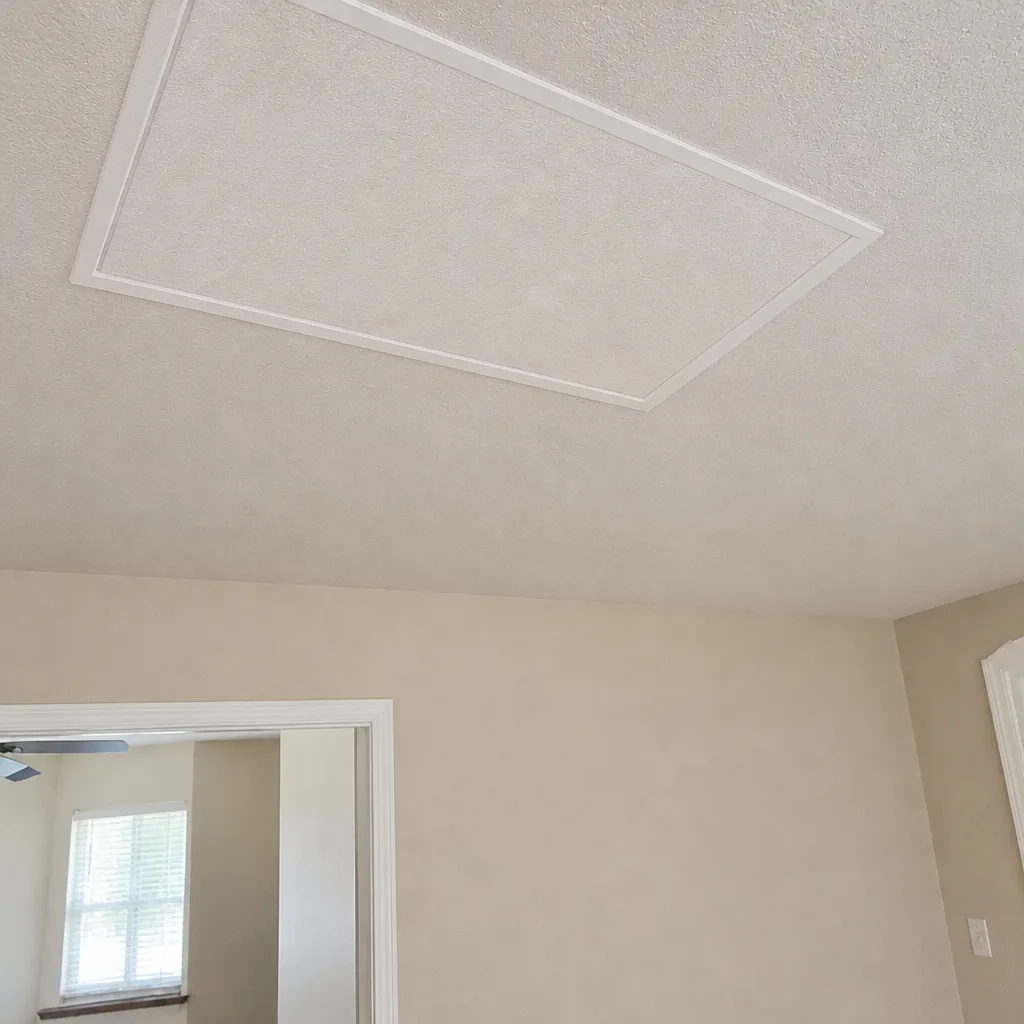 After
When to Call a Professional
Some conditions clearly point to a professional cleaning. Visible dust blowing from supply registers when the system starts, a persistent musty smell that returns after vacuuming the house, a visible dust coat on the return grilles, or a recent renovation that generated drywall and sawdust debris inside duct runs. Homes in Draper with household allergy or asthma concerns often benefit from scheduled cleaning rather than waiting for symptoms to push it. If you haven’t had the ducts cleaned since moving in and the home is new construction, a first inspection is worth doing sooner rather than later. Draper Air Duct Cleaning offers free estimates in Draper and can answer the equipment and inspection questions before a job is booked. Call (855) 658-5334. We answer 24/7. Fast dispatch from 7am to 7pm, Sunday through Friday.
Frequently Asked Questions
Air duct cleaning in Draper typically runs in a few hundred dollars range for a standard residential full-system job, rising with the number of return and supply runs, the number of stories, and whether coil, drip pan, or dryer vent cleaning is included. The written estimate sets the final price per system, and the estimate itself is free. Call (855) 658-5334 for an exact quote. Estimates are free.
Most Draper homes need inspection-based cleaning rather than a fixed schedule. The area’s wind-driven bench dust, wildfire smoke season, and ongoing construction debris can fill return ducts faster than in more protected climates, so a camera inspection every couple of years followed by cleaning only when the inspection shows a settled dust layer is a better rule than a fixed number of years. Call (855) 658-5334 to schedule an inspection.
Professional-grade duct cleaning runs rotary agitation (Rotobrush) and HEPA extraction (Nikro) simultaneously under negative pressure (Abatement Technologies). A shop vac pulls loose dust from a single register without negative pressure or HEPA capture, so what it loosens settles back into the ducts or into the room. The equipment brand is the biggest single difference between a real cleaning and a fast one.
You know the work was done when you receive before-and-after photos from inside the duct runs, not just a verbal confirmation. Photos should cover the returns, branches, air handler interior, coil, drip pan, and registers, and they should be delivered digitally so you keep them. Any crew that can’t produce them has done work you can’t verify. Call (855) 658-5334 for documentation-backed work.
Yes, a new home often needs a first duct cleaning earlier than owners expect. Drywall dust, sawdust, and framing debris settle into supply and return runs during construction and stay there after move-in. Homes built in many of Draper’s newer neighborhoods, especially around SunCrest and the Corner Canyon area, commonly benefit from an inspection and first cleaning before occupancy or shortly after.
Cheap quotes are usually cheap because the crew brings equipment that can’t actually clean a duct system: a shop vac instead of a rotary contact tool, no negative-air containment, no HEPA extraction. The lower the equipment investment, the lower the price, and the more of the duct system gets left as it was. Ask what machines the crew brings, then compare. Call (855) 658-5334. Estimates are free.
The Bottom Line
Air duct cleaning in Draper is a six-component job, not a single service, and the difference between a real cleaning and a low-bid imitation comes down to equipment and verification. Professional-grade agitation, HEPA extraction, and negative-air containment run together, or they don’t count as cleaning. A finished job should end with before-and-after photos from inside the duct runs, not a verbal “all done.” Dryer vent cleaning is a separate safety service with its own documented hazard, not an add-on. If you’re ready to book, or want a free estimate and a walk through the questions on this list, Draper Air Duct Cleaning covers the whole system with one call. Call (855) 658-5334 today.
Written by the team at Draper Air Duct Cleaning.