
Last updated November 23, 2026
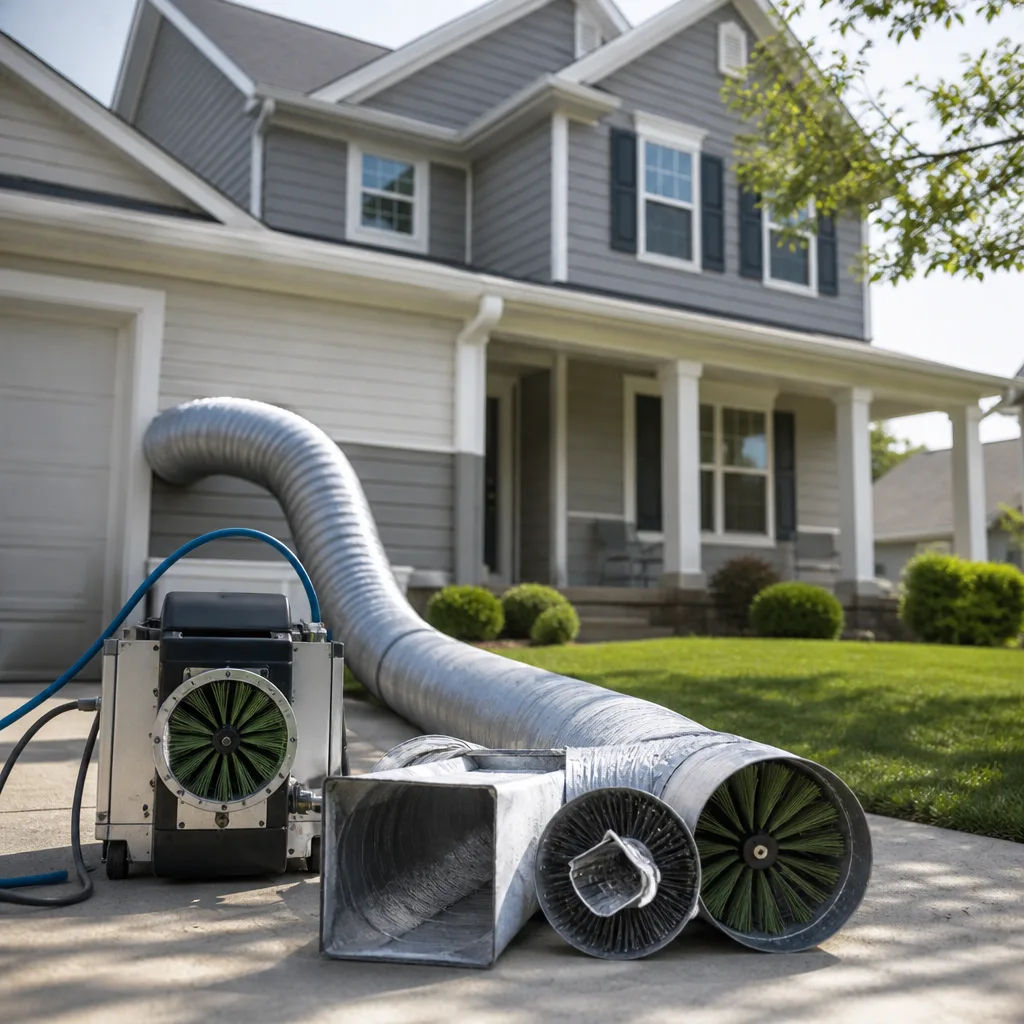 Whole-home duct cleaning
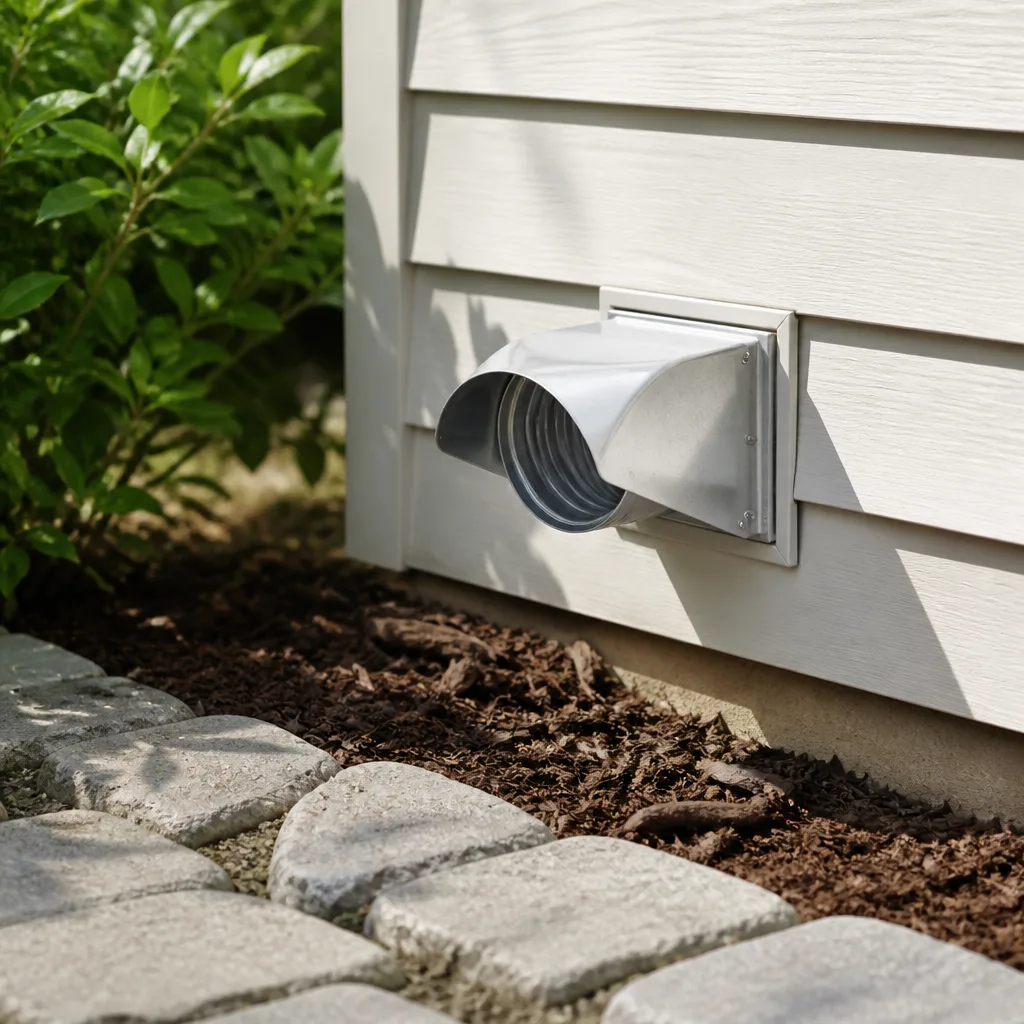 Dryer vent cleaning
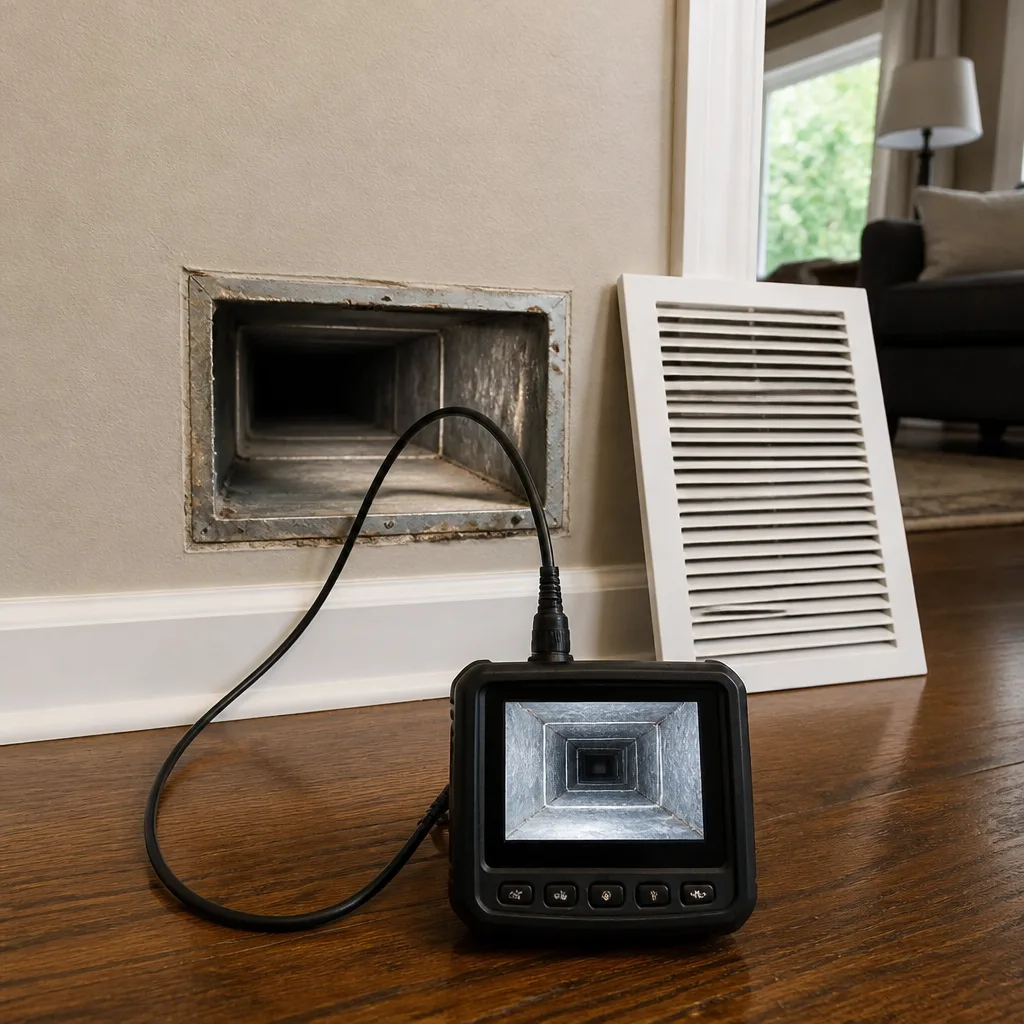 Camera inspection
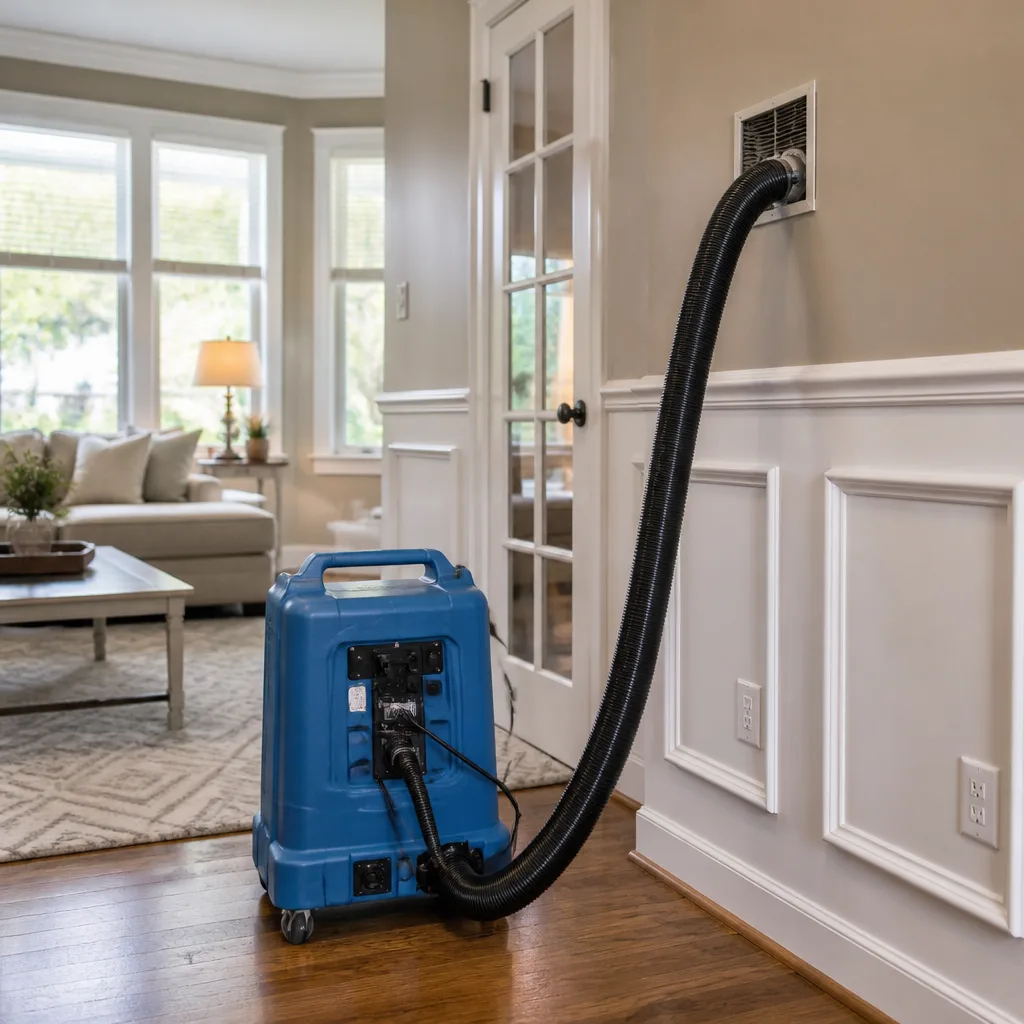 Sanitizing & deodorizing
Whole-system duct and dryer vent check with before-and-after photos - you see exactly what came out of your vents
That "$99 whole-house special" is a bait ad - the real number appears once they are in your hallway, or the "clean" is a shop-vac at the register. We photograph the inside of your ducts before and after instead.
Air Duct Cleaning Cost Breakdown: The Draper Homeowner’s Reference for 2026
Here’s the thing about a $49 whole-house duct cleaning ad: the arithmetic doesn’t work. A professional-grade negative-air unit runs well over $15,000, a rotary contact-cleaning system adds roughly $8,000 more, and paying a two-technician crew costs around $80 an hour before a single foot of ductwork is touched. No legitimate business cleans an entire house profitably at $49. Which means the $49 ad isn’t a price – it’s a door-opener. This guide breaks down what a real 2026 duct cleaning in Draper actually costs, from a modest condo near Draper Park to a 3,500-square-foot home in SunCrest, and shows you exactly which line items you’re paying for and how to verify you got them.
Quick Answer
Air duct cleaning in Draper in 2026 typically runs $350 to $550 for a home under 1,500 square feet, $450 to $750 for 1,500 to 3,000 square feet, and $650 to $1,100 for homes over 3,000 square feet. Adding sanitizing tacks on $150 to $400, and a full-system job that includes the evaporator coil and drip pan lands between $700 and $1,400. Anything advertised under $150 for a whole house is either a partial job or a lead-in price that grows once the technician is inside.
Styles & brands we work with
- Whole-home duct cleaning
- Dryer vent cleaning
- Camera inspection
- Sanitizing & deodorizing
Table of Contents
- Why Duct Cleaning Prices in Draper Vary So Widely
- What Air Duct Cleaning Costs in Draper by Home Size and Scope
- Add-On Services: What They Cost and What They Actually Do
- The Equipment Behind the Price
- Three Upsell Tactics Discount Contractors Use in Draper
- What Documentation You Should Receive for the Price You Pay
- Draper-Specific Factors That Affect the Job
- Common Mistakes to Avoid
- When to Call a Professional
Why Duct Cleaning Prices in Draper Vary So Widely
The spread between a $49 ad and an $800 invoice isn’t a markup on the same service. It’s two entirely different jobs wearing the same name.
When a legitimate crew cleans a duct system, they’re performing what the industry calls source removal: dislodging accumulated debris from every branch line, supply trunk, return chase, and plenum, then capturing it before it redistributes into the living space. That takes a rotary agitation system pushed through each run, a negative-pressure machine drawing the whole system into a HEPA-rated filter, and enough technician time to do it properly. Most homes take two to four hours. A few take longer if the system has never been touched.
The discount version looks different. A contractor arrives with a shop vacuum, pulls the floor registers, sweeps what’s reachable from the opening, and calls it done. No negative pressure, no agitation, no filter. In fact, that approach can make things worse, because without containment the dislodged dust goes straight back into the air you breathe.
We’ve worked across Draper long enough to know most homeowners here aren’t looking for the cheapest option. They want a straight answer about what a fair price looks like and evidence the work happened. That’s exactly what a line-item breakdown gives you.
Here’s the honest math. If the equipment costs tens of thousands of dollars, insurance and training are ongoing, and the crew is paid a real wage, a proper whole-house cleaning has a floor. That floor sits well above $150. Anyone quoting below it is either cutting the scope or planning to recover the money elsewhere. Knowing which is which before you book is the whole point of this guide.
What Air Duct Cleaning Costs in Draper by Home Size and Scope
The single biggest driver of price is the scope of work, followed closely by home size. Here’s how the ranges break down for Draper homes in 2026. These are typical estimates, not fixed quotes; the written estimate you receive sets the final price.
| Home Size | Cleaning Only | Cleaning + Sanitizing | Full System (incl. coil & drip pan) |
|---|---|---|---|
| Under 1,500 sq ft | $350 – $550 | $500 – $750 | $700 – $950 |
| 1,500 – 3,000 sq ft | $450 – $750 | $650 – $950 | $850 – $1,200 |
| Over 3,000 sq ft | $650 – $1,100 | $850 – $1,350 | $1,100 – $1,400 |
What each scope includes:
- Cleaning only – source removal on all supply and return runs, register covers removed and cleaned, main trunk lines cleared, blower compartment wiped down.
- Cleaning + sanitizing – the full cleaning above plus an EPA-registered sanitizer applied to the interior duct surfaces after debris is removed. For homes with allergy or asthma concerns, this is the tier we recommend most often.
- Full system – everything above plus evaporator coil cleaning and drip pan treatment. Coils that have never been cleaned restrict airflow and put a strain on the system in ways the duct cleaning alone won’t fix.
Return-side chases in some Draper homes built during the 1990s and early 2000s run through tight interior walls and require a flexible push rod rather than a standard agitation head. That can push a quote toward the top of its range. Homes in newer developments along the east bench often have taller vaulted ceilings with longer supply runs, which adds time too. If a contractor quotes the exact same number for every home they visit without measuring the system, that’s already a sign the “quote” is a script.
Add-On Services: What They Cost and What They Actually Do
Duct cleaning is rarely the whole job. If you want clean, sealed, and sanitized, the add-ons matter, and each one should come with a standalone price you can evaluate on its own.
Dryer Vent Cleaning – $125 to $225
This cleans the lint buildup inside the dryer exhaust path from the appliance connection out to the exterior termination. It’s one of the leading causes of residential fires in this country, and it’s independent of your HVAC ducts – a separate system, a separate job. We treat dryer vent cleaning as a dedicated service rather than an upsell because the risk profile is entirely different. If your dryer has been taking longer to dry towels or the exterior flap doesn’t lift cleanly when the dryer runs, it’s worth having inspected regardless of what your ducts look like.
UV Sanitizing Light Installation – $300 to $600
A UV-C lamp mounted in the plenum or near the evaporator coil keeps the coil surfaces and nearby ductwork cleaner between cleanings. It doesn’t replace cleaning, and it doesn’t reduce the debris load from source removal, but it does help with microbial growth in homes with persistent moisture or allergy sensitivity. The line we work with most often is from Honeywell’s air quality product range, which integrates with standard residential HVAC configurations.
Aerosol Duct Sealing – $500 to $900
Aerosol sealing injects a fine sealant mist through the system to close hairline leaks and joint gaps from inside. Sealing matters because even a well-cleaned system with leaky joints will pull attic or crawlspace air back in. If a home is showing dust accumulation faster than normal, or if rooms are giving inconsistent airflow, sealing is often more valuable than a second cleaning. We do this alongside duct repair and sealing for the same reason: the two problems are usually related.
Evaporator Coil Cleaning – $150 to $350 standalone
The coil is the metal fin surface where the refrigerant absorbs heat from the airstream. It sits wet for most of the summer in Draper homes running the AC hard, and it collects a sticky film over time. Cleaning it improves airflow and refrigeration efficiency. It’s the part of the job most discount contractors skip, which is why some systems look clean from the register but keep running warm.
The Equipment Behind the Price
Your ducts are only as clean as the machine doing the work. This is the least understood part of the invoice, and the one that most determines whether the number you’re paying is fair.
Negative-pressure capture
A proper whole-house cleaning pulls the entire duct system under negative pressure while agitation happens inside it. That means dislodged dust travels toward the capture point, not into your house. The equipment that does this well is tuned specifically for the task – Abatement Technologies negative-air units, for example, are built to contain contaminants in the capture airstream rather than redistribute them. A shop vacuum with an extension wand cannot do this. It has neither the airflow volume nor the filtration.
Rotary contact cleaning
The brushing system that agitates dust from duct walls is not a hand brush on a flexible rod. Rotobrush rotary contact-cleaning systems use a spinning flexible head that contacts the interior surface of every branch line. That’s the same equipment trusted by professional HVAC contractors across the country. It takes time to work each run properly, and that time is part of the price.
HEPA filtration
Nikro HEPA-rated machines capture fine particles down to the filter rating. That’s what prevents the “went from dusty to dustier” problem some homeowners experience when they hire a cheaper crew. Our technicians have up to 13 years of experience, and the reason we anchor every job to this equipment category is that we’ve seen what happens to homes when the wrong tools get used.
You don’t need to inspect every machine a contractor brings. But you should ask, before booking, which equipment systems they use, and whether they’re running HEPA-rated capture. If the answer is vague, the price probably reflects the ambiguity.
Three Upsell Tactics Discount Contractors Use in Draper
Most homeowners who feel burned by a duct cleaning experienced one of three scripts. Knowing them in advance lets you spot them in real time.
Tactic 1: The “mold discovery”
A technician arrives, pokes a camera into a return chase, and shows you fuzzy gray growth. Sometimes that growth is real microbial buildup – it happens in damp Utah basements and crawlspaces. Usually it’s ordinary dust accumulation that looks alarming under a flashlight. The move is to demand an immediate large upsell for “remediation” that costs multiples of what you were quoted. The legitimate version of this conversation happens before the job, with a documented inspection, and you approve any addition in writing before work continues.
Tactic 2: The per-vent reprice
You book at $99, the number you remember from the ad. The crew arrives, counts your vents, and informs you the price is now per vent – so a 16-vent house is suddenly $99 plus $30 per register. One flat price per system, agreed before work starts, is the fix. Ask explicitly on the phone whether the quote covers the entire system regardless of how many vents it has.
Tactic 3: The “you need emergency sanitizing” pressure play
Sanitizing is a real service. It’s also a service you should be able to decline without argument, scheduled separately if you decide you want it. When a contractor pushes it with urgency and a claimed risk to your family’s health, that’s a sales tactic, not a diagnosis. A professional will show you what they found, explain what sanitizing would and wouldn’t do, and let you sleep on the decision.
One more signal worth knowing: a crew that can’t show you the inside of your own ducts before they start cleaning is a crew that can’t show you anything after. Ask to see the before photos if they matter to you – they should.
What Documentation You Should Receive for the Price You Pay
A $700 duct cleaning should produce a paper trail. If the invoice is all you get, the work is hard to verify. This is where “air quality you can verify” stops being a phrase and becomes a standard.
- Before-and-after photos – one per major branch line and the main trunk, with the register covers off and the interior visible. Photos of the same spot before and after are the single most useful verification tool you have as a homeowner.
- An inspection summary – documenting what condition the system was found in: debris load, sign of moisture, loose joints, damaged flex duct, and anything that needed referral.
- A punch list of what was and wasn’t done – itemized by service. If your quote included coil cleaning, the invoice should list coil cleaning as its own line. If sanitizing was declined, the invoice should say “not performed.”
- A written statement of warranty on the work performed – however brief. If there isn’t one, ask for it before you book. A contractor who won’t put warranty terms in writing is telling you something.
- Recommendations for follow-up – sealing, repair, or an air quality product like an Aprilaire filtration unit, with a description of why each is being suggested and whether it’s urgent or optional.
This is why we anchor every job to the professional-grade equipment described above. If you’re paying for Abatement Technologies containment, you should get documentation that reflects that level of care. If the crew can’t produce the record, the invoice doesn’t earn the price.
Draper-Specific Factors That Affect the Job
Draper sits at the base of the Wasatch Front, and the combination of seasonal dust from the mountainsides with the fine particulate that builds up during winter inversions puts a specific load on duct systems here. If you live west of I-15 or up near the foothills in SunCrest, your system is pulling in the same fine dust everyone else is, and some of it settles in the duct walls regardless of your filter.
Housing stock matters as much as climate. The older neighborhoods closer to Draper Park and along Fort Street contain homes from the mid-twentieth century, many with rigid metal ductwork that’s held up but has had decades of accumulation. Homes built during the 1990s and 2000s, particularly in the subdivisions that ring the newer sections of Draper, often use flex duct that sags and collects at low points. Homes in the newer developments – including stretches of SunCrest and east-bench construction – frequently have taller ceilings, longer trunk runs, and zoned systems, all of which take more time to clean properly.
If you manage rental property in Draper, add a consideration: documentation is your bottleneck. A move-out cleaning that produces photos and an inspection summary gives you a defensible record of condition when you’re leasing next year. Cleaning without documentation gives you nothing you can show. See our full air duct cleaning overview for how the process works end to end.
And then there’s the dryer vent. Combined with the low winter humidity and the type of household linen most of us run (towels, not delicates), lint buildup inside the exhaust line is a common and under-recognized issue in Draper households. It’s the kind of thing worth checking every year or two, no matter what your ducts look like.
Common Mistakes to Avoid
- Booking on price alone. A $49 or $99 advertised whole-house clean is not a whole-house clean. The number is a lead-in, and once the crew is inside, the actual price becomes something else entirely.
- Not asking what’s included on the phone. “How many vents will you clean?” and “what about returns?” and “is coil cleaning included?” should be answered before you book. Anything vague on the phone will be vague on the invoice.
- Skipping the return runs. Supply vents are visible and easy to point at. The return chases carry just as much dust and are frequently neglected by discount crews. Confirm in writing that return-side ductwork is part of the job.
- Ignoring the dryer vent because it seems like a separate problem. It is separate, and it’s a documented fire hazard. Cleaning the HVAC ducts doesn’t touch it. If your dryer has been slower to dry than it used to be, book the dryer vent service separately.
- Falling for “mold” mid-job. If any alleged problem surfaces during the job rather than before it, ask for written documentation of the finding and a written scope for any additional work, then decide. Never approve on the spot.
- Assuming filter changes replace duct cleaning. A filter catches what passes through it; it doesn’t remove what’s already settled on duct walls. In Draper’s dust conditions, filters help and duct cleaning still matters.
- Skipping the coil. Cleaning ducts and leaving a soiled evaporator coil is like cleaning a kitchen and leaving the fridge open. The coil is where the air actually meets cold metal in a Draper summer.
When to Call a Professional
Most duct systems don’t need annual cleaning, but they do need attention at specific moments. Book a professional cleaning when you’ve moved into a home whose duct history you don’t know; when you’ve finished major renovation or drywall work; when visible dust is being pushed from registers shortly after you’ve cleaned the room; when a household member has developed allergy or asthma symptoms that seem tied to the house; when you’re noticing uneven airflow between rooms; or when a dryer is consistently taking longer to dry than it used to.
Draper homes also benefit from a full inspection when a system has gone more than five or six years without service. That’s not a scare tactic – it’s simply that a lot accumulates in that time.
Draper Air Duct Cleaning offers free estimates in Draper – call (855) 658-5334. We answer 24/7. Fast dispatch from 7am to 7pm, Sunday through Friday. If you’d rather see how we approach the full system, our HVAC cleaning page covers the whole-unit side of the work. One call covers the whole system, and the estimate costs you nothing.
See the difference
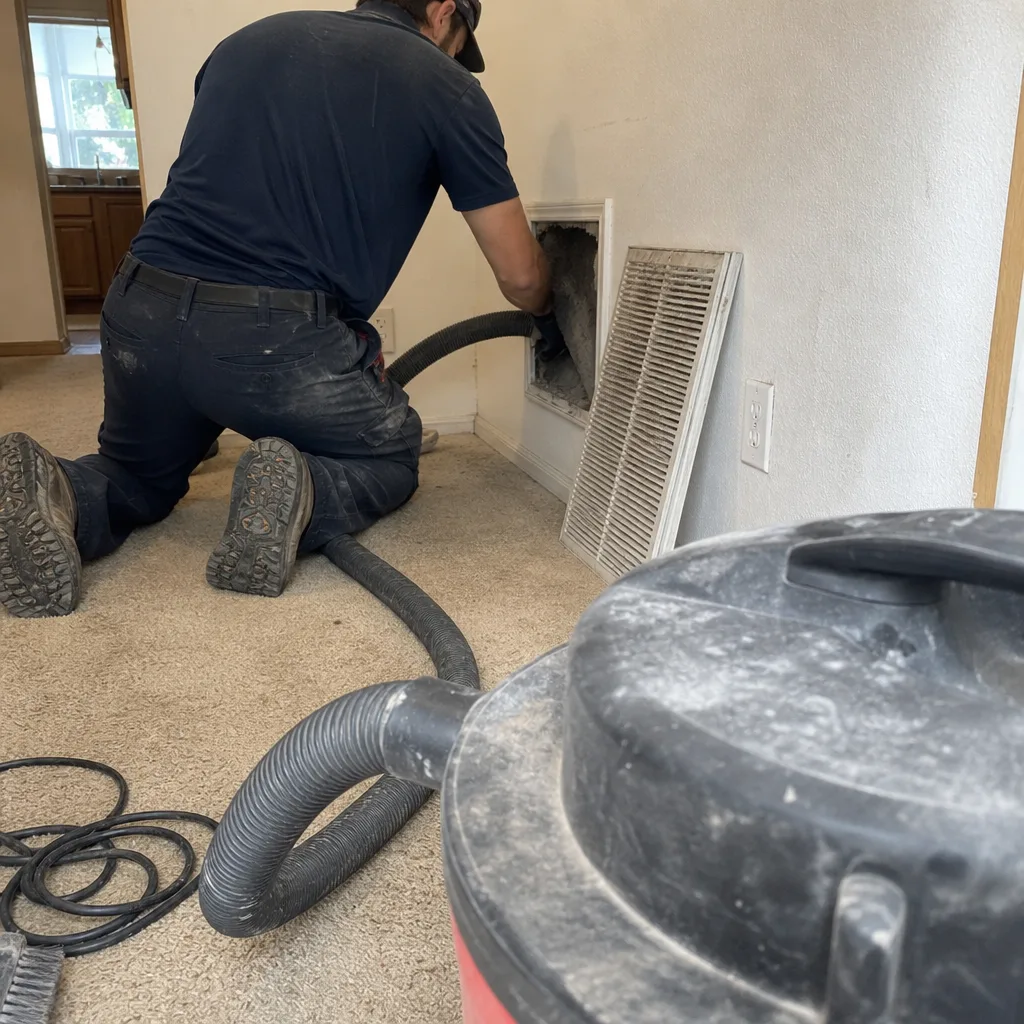 Before
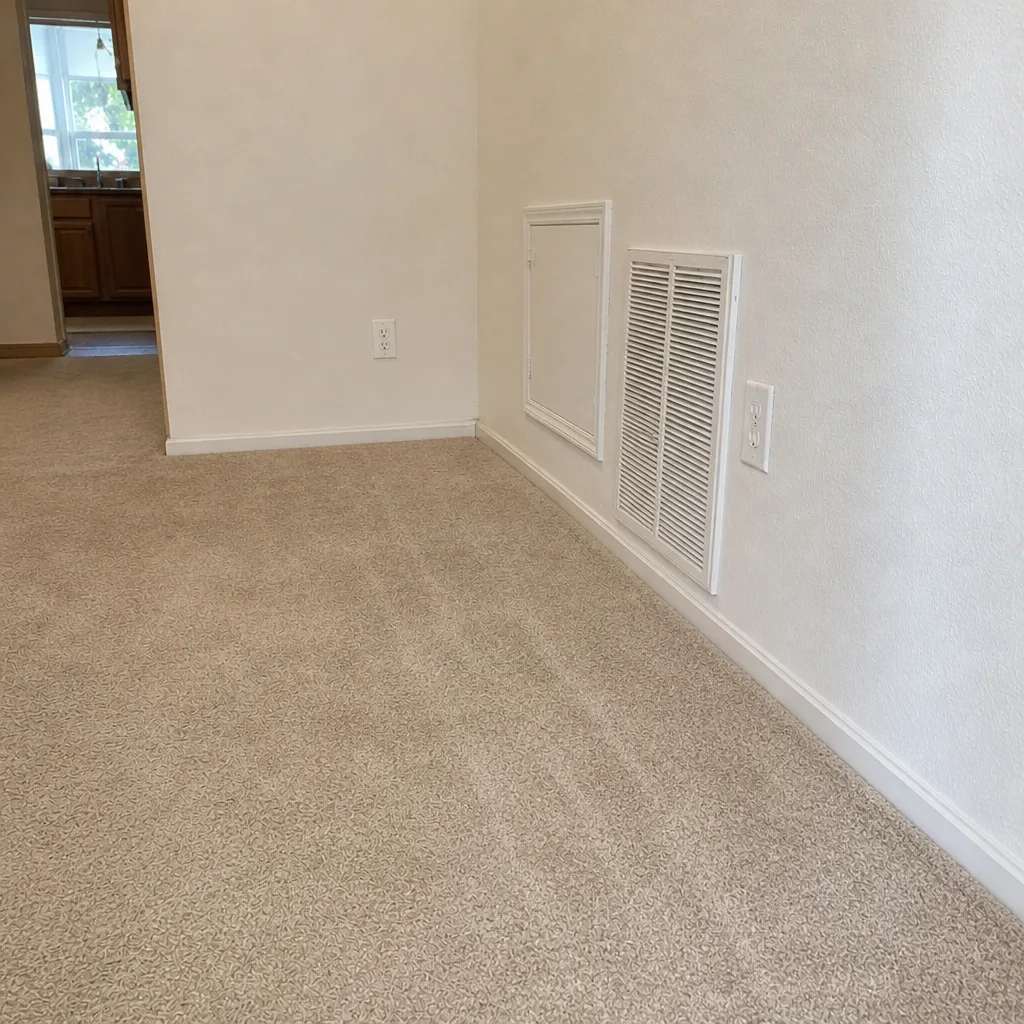 After
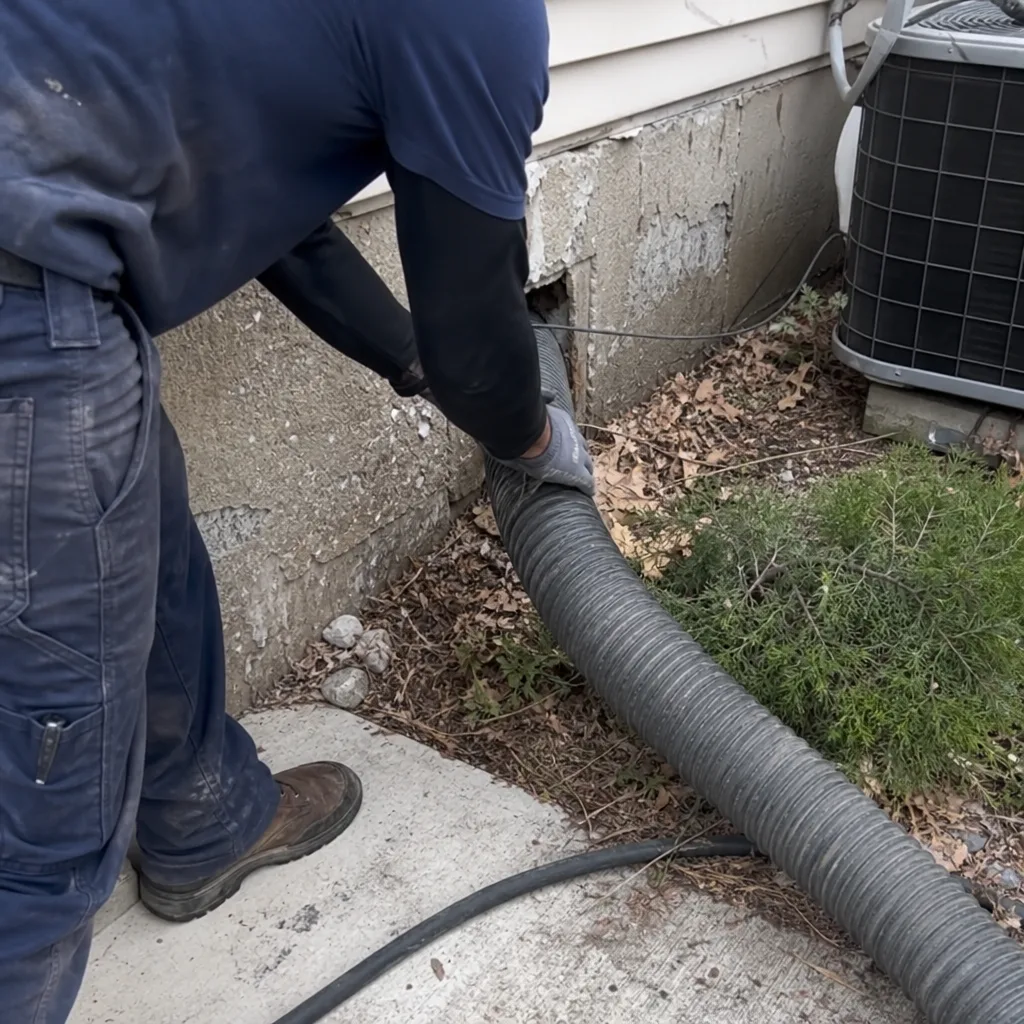 Before
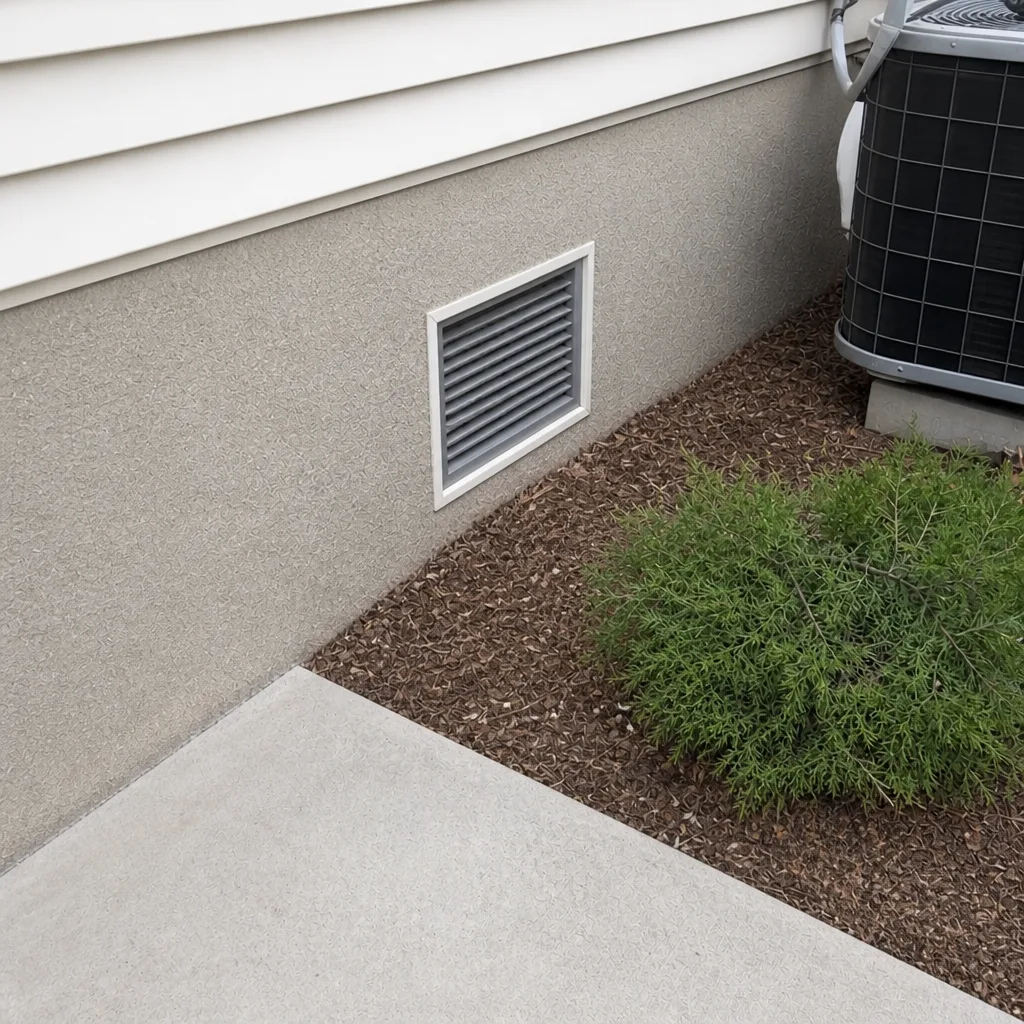 After
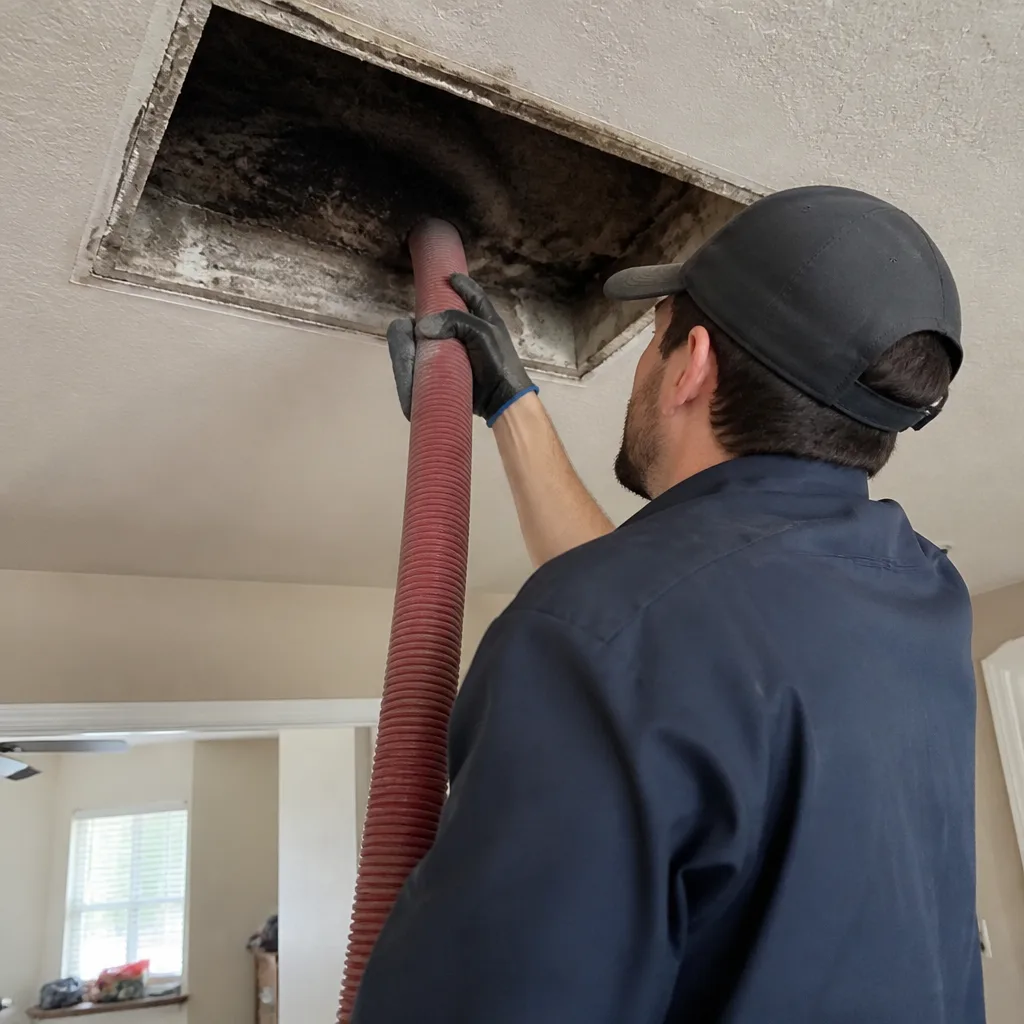 Before
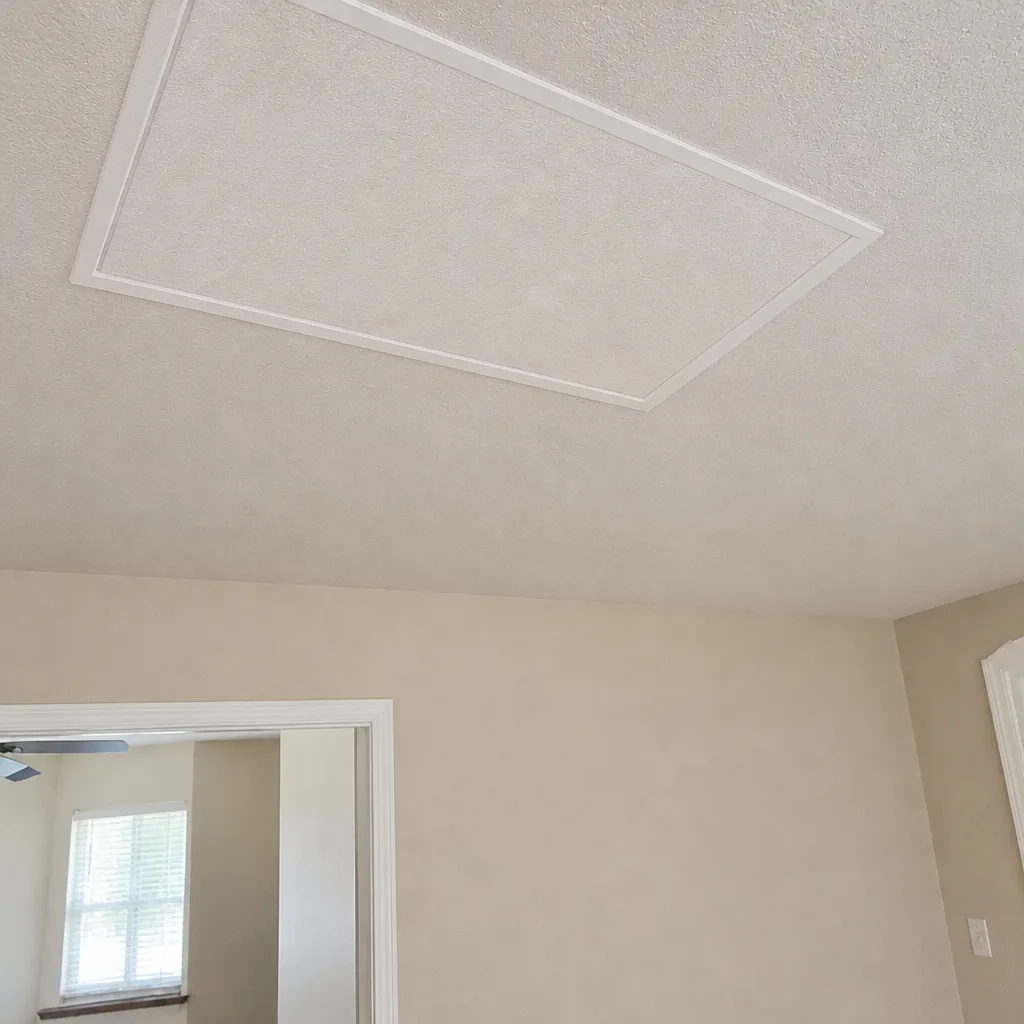 After
Frequently Asked Questions
For a Draper home under 1,500 square feet, expect roughly $350 to $550; a home between 1,500 and 3,000 square feet typically runs $450 to $750; and a home over 3,000 square feet lands around $650 to $1,100. Those figures are for cleaning only – adding sanitizing, coil cleaning, or both pushes the total higher. Call (855) 658-5334 for an exact quote – estimates are free.
Because they’re describing a different job. A $49 or $99 quote is usually a partial cleaning – register covers off, surfaces swept, no negative pressure and no rotary agitation – or it’s a lead-in price that grows once the technician arrives. Real source removal requires professional equipment and time. If the quote seems mathematically impossible, it usually is. Call (855) 658-5334 and we’ll walk you through what a fair price looks like for your home.
Ask for before-and-after photos of your own ducts, an inspection summary, and an itemized invoice. A legitimate contractor will produce all three without hesitation. If the crew can’t show you the interior condition they found and the condition they left, you have no way to verify what you paid for. Call (855) 658-5334 to book a job that comes with the paper trail.
Most homes need it every three to five years, not annually. Homes with pets, recent renovation, or family members with allergy and asthma sensitivities may benefit from a shorter interval. Draper’s seasonal dust and winter inversion conditions make the case for the shorter end of that range in some households. Call (855) 658-5334 if you’re not sure where yours falls.
It can reduce the amount of accumulated dust, pollen, and debris that gets reintroduced into the living space when the system runs, which many allergy-sensitive households notice. Pairing cleaning with sanitizing is the tier most allergy-focused households choose. It isn’t a medical treatment, and it doesn’t replace filtration or a whole-home air quality product. Call (855) 658-5334 to talk through the right scope for your situation.
Fast re-soiling usually points to a leak or joint failure somewhere in the system, not inadequate cleaning. Aerosol duct sealing is the fix for that scenario, and it’s worth doing at the same time as the cleaning. If you’re seeing dust return within a few months, ask for an inspection that specifically looks for pressure leaks. Call (855) 658-5334 to schedule one.
The Bottom Line
Air duct cleaning in Draper in 2026 has a real market price: roughly $350 to $1,100 depending on home size and scope, with add-ons that range from $125 for a dryer vent to $900 for aerosol sealing. The gap between that range and a $49 ad isn’t discount margin – it’s the difference between source removal done with professional-grade equipment and a surface sweep done with a shop vacuum. If you want documentation, one flat price per system agreed before work starts, and before-and-after photos of your own ducts, that’s the standard to hold any contractor to. Call (855) 658-5334 and we’ll put the numbers in writing. We answer 24/7. Fast dispatch from 7am to 7pm, Sunday through Friday. For an overview of every service we handle, start at Draper Air Duct Cleaning.
Written by the team at Draper Air Duct Cleaning.