
Last updated November 23, 2026
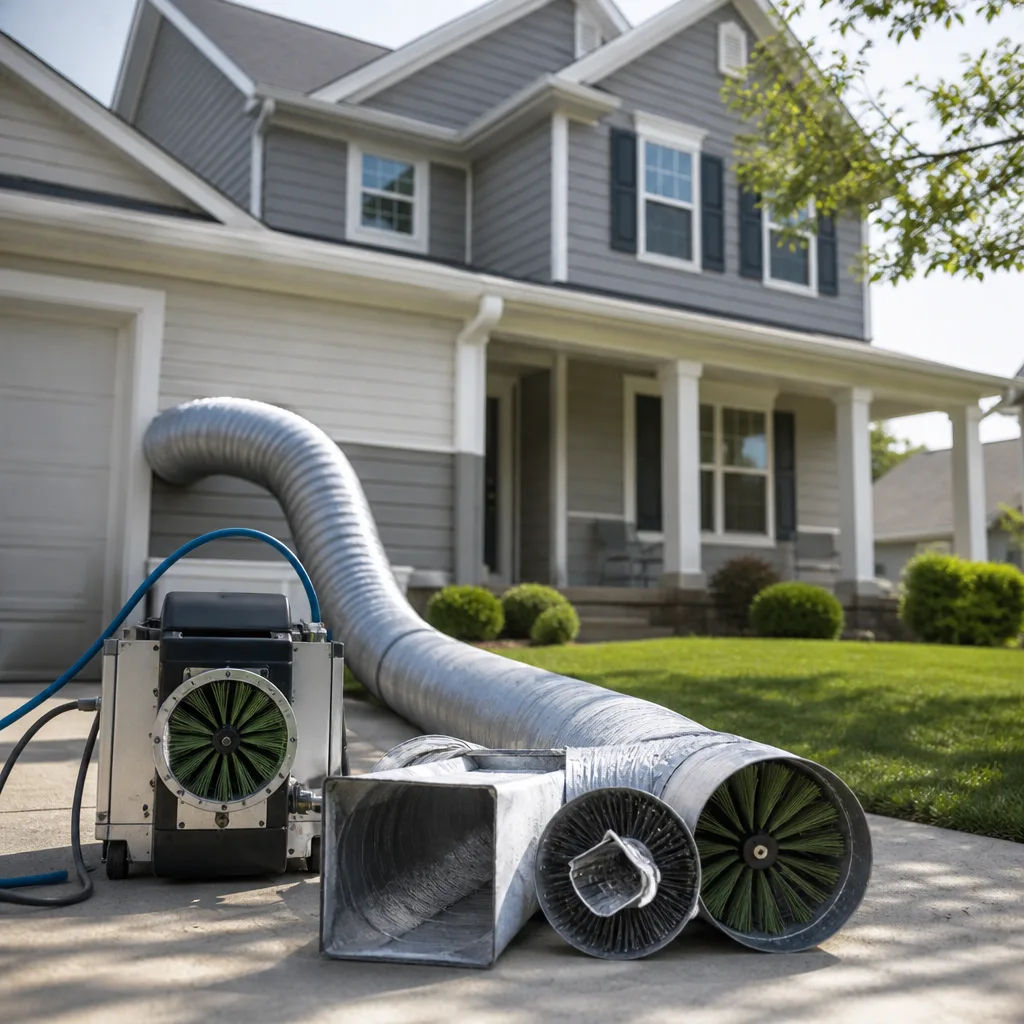 Whole-home duct cleaning
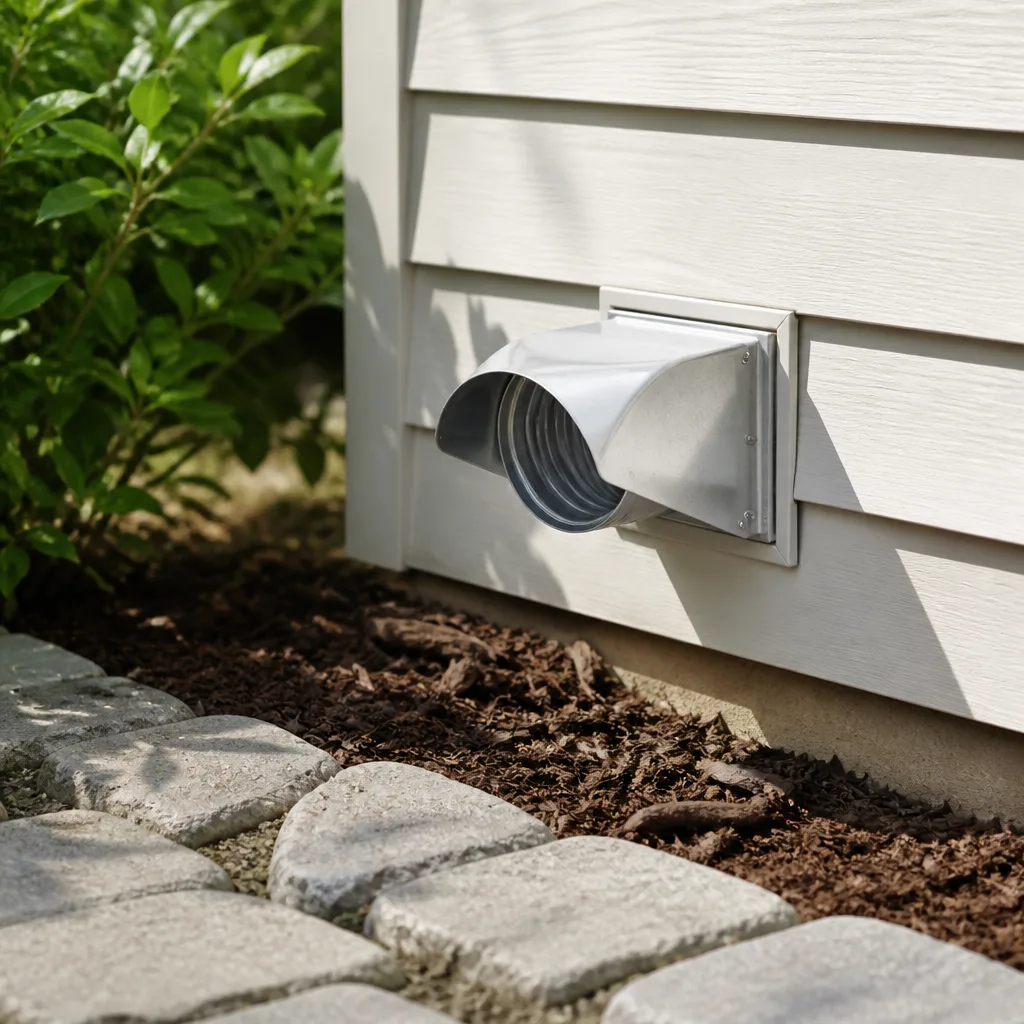 Dryer vent cleaning
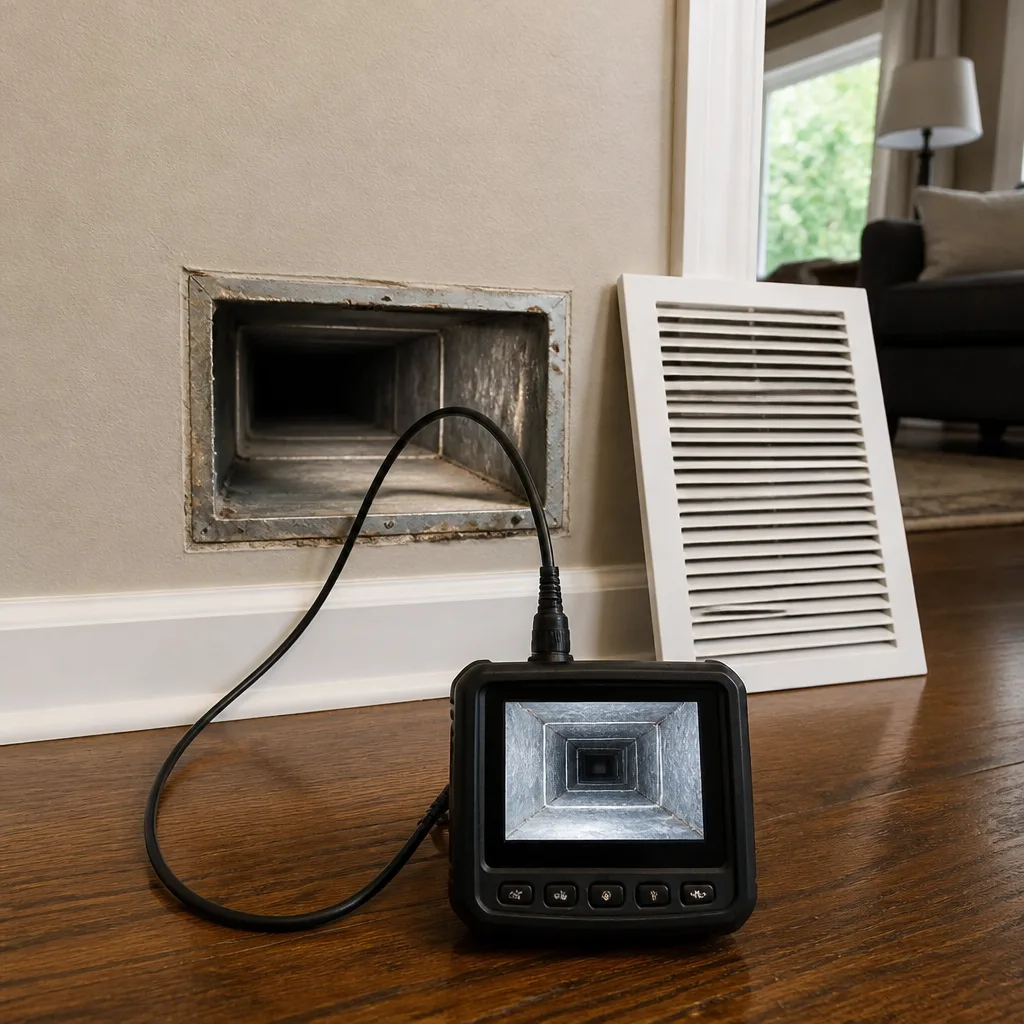 Camera inspection
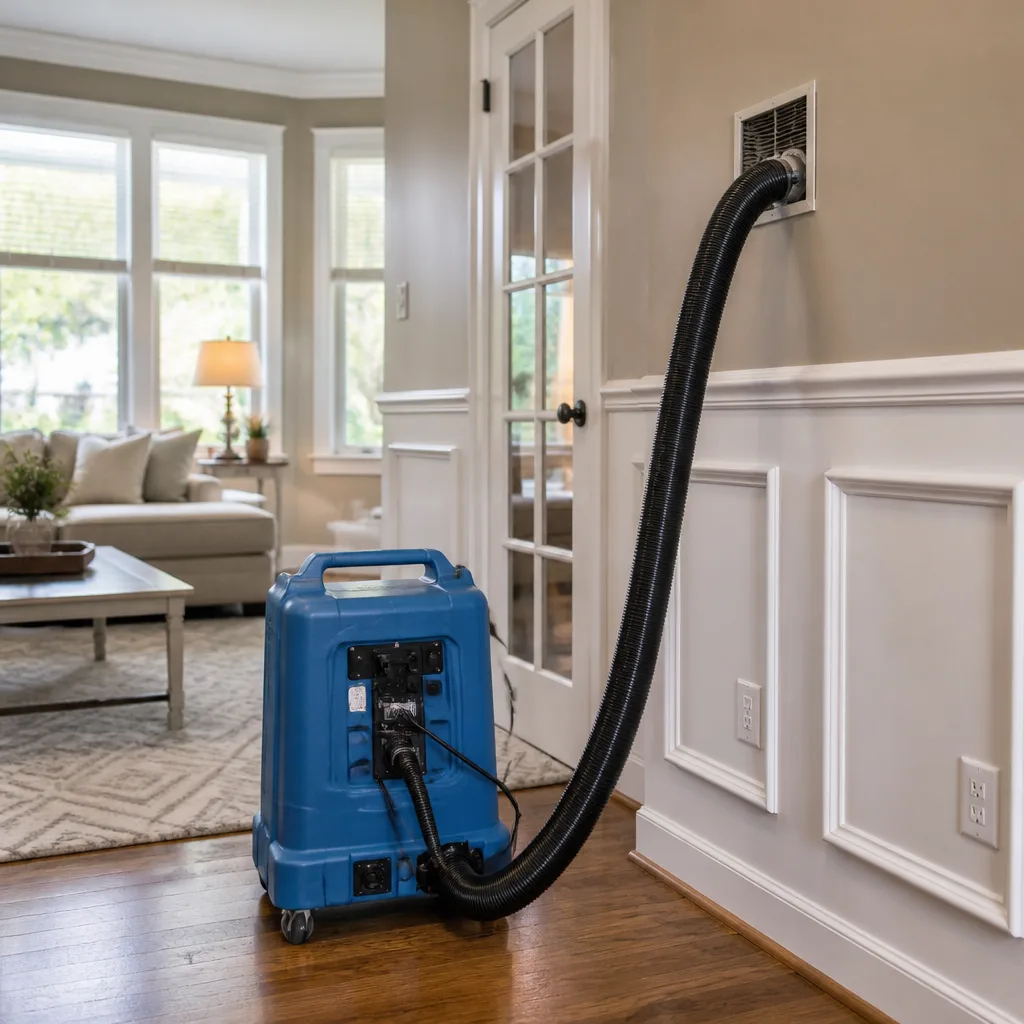 Sanitizing & deodorizing
Whole-system duct and dryer vent check with before-and-after photos - you see exactly what came out of your vents
That "$99 whole-house special" is a bait ad - the real number appears once they are in your hallway, or the "clean" is a shop-vac at the register. We photograph the inside of your ducts before and after instead.
Air Duct Cleaning Emergency Preparedness Guide for Draper Homes
Most homeowners think of duct cleaning as routine maintenance, something you schedule when the vents look dusty. The reality is stranger and more useful: the events that matter most for your duct system in Draper aren’t maintenance events at all. They’re emergencies. A seismic jolt that separates a joint behind a wall. A wildfire smoke plume that pushes submicron particles deep into the air handler. A burst pipe that turns flex duct into a wet, dark cavity. None of those show up on a maintenance calendar, and all of them change what your ducts need. This guide walks you through the three acute scenarios that actually threaten duct systems along the Wasatch Front, what to do in the first 24 hours, and how to prepare before anything happens. Read it once, save the number, and you’ll know exactly what to do when the ground shakes or the sky turns orange over Draper.
Quick Answer
Duct emergencies in Draper fall into three categories: seismic events that separate duct joints, wildfire smoke events that deposit fine particles on coils and duct interiors, and water intrusion that creates biological growth inside the system. Each needs immediate inspection, but each needs a different response. For smoke, run the system with upgraded filtration unless you smell smoke indoors. For water, shut the system down and treat it as a biological contamination event. For seismic activity, get the joints inspected with a camera before running the system for long. Call (855) 658-5334 if you’re not sure which category you’re in. We answer 24/7.
Styles & brands we work with
- Whole-home duct cleaning
- Dryer vent cleaning
- Camera inspection
- Sanitizing & deodorizing
Table of Contents
- The Three Drought-Zone Emergencies That Threaten Draper Duct Systems
- First 24 Hours After a Wildfire Smoke Event
- Post-Seismic Duct Inspection: What It Actually Involves
- Post-Flood Duct Contamination: Why It’s Different
- The Pre-Emergency Preparedness Checklist
- What Equipment Separates a Real Response from a Shop Vac
- Common Mistakes to Avoid
- When to Call a Professional
The Three Drought-Zone Emergencies That Threaten Draper Duct Systems
Draper sits in a particular corner of the geography. The Wasatch Front is an active seismic zone. The surrounding mountains and canyons carry wildfire risk that has grown with drought cycles across the region. And the housing stock here, from the older homes near the Draper Temple up through the newer builds out toward Corner Canyon, includes crawlspace and attic flex duct runs that respond badly to any of these disruptions. When we say “emergency,” we mean one of three specific things.
The first is seismic joint separation. Rigid metal duct and flex duct both flex under load, and the joints and tape-and-mastic connections that hold them together are designed for normal vibration, not a sharp jolt. A seismic event can separate a joint in a space no homeowner ever sees. The system keeps running. It just pulls crawlspace or attic air into the living space, which means you’re breathing unconditioned air that may carry insulation fibers, dust, or crawlspace moisture.
The second is wildfire smoke incursion. Smoke particles at the submicron range behave differently than typical dust. They travel further, deposit more onto evaporator coils and the interior walls of the duct, and can leave a persistent odor even after the visible smoke clears. That deposition is a real problem for coil efficiency and for anyone in the home with asthma or allergies.
The third is water intrusion, usually from a burst pipe, an overflowing appliance, or groundwater during a storm. Standing water in a crawlspace that touches flex duct is not a cleaning job. It’s a biological contamination event, and the remediation approach is closer to mold work than duct work.
Each of these has a distinct first response. We’ll cover each in its own section below, because responding to one as if it were the others is the most common mistake we see in Draper.
First 24 Hours After a Wildfire Smoke Event
When smoke settles over the Salt Lake Valley, the immediate instinct for a lot of Draper homeowners is to shut off the HVAC system entirely. That’s sometimes right. More often it’s the wrong call, and it’s worth understanding why before the next smoke event.
The question to ask is whether smoke is getting into the house because the system is running or because the house has natural leakage. Every home leaks. Stack effect, wind, and pressure differentials pull outdoor air in through window seals, outlets, and dryer vents even when the HVAC is off. A running system with a good filter and a closed outdoor-air intake is often the better defense, because a properly sealed return will draw through your filter rather than the window gaps.
Here’s the sequence we recommend for the first 24 hours:
- Close windows and exterior doors. Turn off any bathroom or kitchen exhaust fans, and close the fireplace damper if you have one. Those fans create negative pressure that pulls smoke in.
- Check your filter. If it’s more than a couple of months old, replace it now. A loaded filter does nothing for smoke. A fresh higher-efficiency filter is the single most useful step you can take during the event.
- Set the system to “fan on” continuously rather than “auto.” Continuous air circulation through a filter does more good than cycling.
- Turn the system off if you smell smoke indoors at the registers, or if you see visible smoke coming out of a vent. That means the return or intake is drawing unfiltered smoke into the system, and you need a professional inspection before running it further.
- Log the event. Note the date, how long the smoke lasted, and how hard the system ran. If you ever sell the home or file an insurance claim for duct cleaning afterward, that log is useful.
Once the smoke clears, the longer-term question is whether to schedule a cleaning. Two things push the answer toward yes: a persistent smoke odor when the system starts up, or visible soiling on the supply registers and around the intake grille. If neither applies, a filter change and a couple of weeks of observation is reasonable.
Post-Seismic Duct Inspection: What It Actually Involves
When the 2020 Magna earthquake rattled the Salt Lake Valley, thousands of homes experienced duct joint separation they couldn’t see. That pattern is worth remembering in Draper, because we’re sitting in the same seismic zone. A typical seismic duct inspection isn’t complicated, but it does require equipment and access that a homeowner doesn’t have on hand.
Here’s what we cover in a seismic inspection:
- Interior camera pass. We run a camera through the return and main trunk to look for visibly separated joints, torn flex duct, and displaced duct runs. Flex duct that has lost a fitting at a joist hanger is common after a jolt, and it’s invisible from the living space.
- Pressure test on the trunk. A quick pressure differential test on the main trunk shows whether the system is losing measurable air to the crawlspace or attic. If it is, that’s a sign the joints aren’t sealed.
- Visual check of the air handler and plenum. A hard shake can shift the air handler, break the plenum connection, or crack the condensate drain line. That last one turns a duct issue into a water issue, which we’ll get to.
- Register-by-register airflow check. A room that has suddenly lost 30 percent of its airflow is a good signal that a joint has separated upstream.
- Sealing and repair. When we find a separated joint, the fix is a mastic seal, a new fitting, or a re-tape and mechanical reconnection, sometimes all three. We don’t just tape over a gap. The repair has to hold under normal vibration, so the duct system is properly closed again.
If you were home when the quake hit and you haven’t had the system inspected, this is worth doing even years afterward. Duct seams that separated and never reconnected keep pulling crawlspace air for as long as they’re open. And in Draper, where crawlspaces often carry insulation fibers and moisture, that’s not a minor problem.
Post-Flood Duct Contamination: Why It’s Different
Standing water in a crawlspace with flex duct is a biological contamination event, not just a cleaning job. We can’t say that plainly enough. When water reaches flex duct, the inner liner is porous, the insulation between the liner and the outer jacket soaks, and the interior becomes a warm, dark, wet cavity. Biological growth starts within days, and it doesn’t come out with a standard cleaning pass.
This is where a lot of Draper homeowners find out that “duct cleaning” and “water-damaged duct remediation” are two separate services, and not every duct contractor handles the second.
The remediation sequence looks like this:
- Shut the system off immediately. Do not run HVAC while standing water is in the crawlspace. Running the system moves humid air, spores, and contaminated dust into living spaces.
- Stop the water source and dry the space. This is the work of a water damage contractor, not a duct cleaner. Drying the crawlspace is the priority before anything else happens.
- Inspect the duct run. Flex duct that was in contact with standing water is typically removed and replaced. Rigid metal duct can sometimes be cleaned and sanitized if the water didn’t reach the interior, but the inspection has to be done with a camera to know.
- Sanitize the system under containment. Any duct that stays in place should be cleaned under negative-air containment, so dislodged material is captured rather than blown into the living space. This is where Abatement Technologies negative-air tools come in, and it matters more in water damage than in routine cleaning.
- Document the work for insurance. Photos before, during, and after; notes on which components were removed and which were cleaned; the products used for sanitizing. Most homeowner policies will ask for this if a water loss claim goes through.
One more note on Draper specifically: because crawlspaces here can stay humid after a storm, we sometimes see biological growth that starts weeks after the water event rather than days. If you’re in a home that had standing water and you didn’t address the ducts right away, an inspection is worth doing even months later.
The Pre-Emergency Preparedness Checklist
The single best thing you can do before an emergency is document what your system looks like when nothing is wrong. That baseline is what a professional uses to know whether something has changed. Here’s what we recommend every Draper homeowner put together now, before any of the three scenarios above happen.
- Photograph your duct system layout. Open the access panel to your air handler and take clear photos of the plenum, the main trunk, and where the branches leave it. Take photos of the return duct path through the attic or crawlspace if you can safely reach it. You’re not diagnosing anything, just documenting.
- Locate your air handler shutoff. Many systems have a dedicated switch near the unit. Find it and stick a label on it. This is the switch you flip if a burst pipe or fire risk requires immediate shutdown.
- Write down your filter size. It’s stamped on the side of the filter cartridge. Keep a spare of the correct size on hand, because the first 24 hours of a smoke event is not the moment to discover yours is the wrong size.
- Note the make and model of your air handler. It helps any contractor you call on short notice know what they’re walking into.
- Keep our number in your phone. Draper Air Duct Cleaning, (855) 658-5334. We answer 24/7.
- Check your homeowner’s policy for water damage and duct coverage. Not every policy covers duct remediation after a water loss, and knowing before you need to make a claim is far easier than discovering the gap during one.
- Schedule a baseline cleaning if you don’t know the system’s history. If you bought the home recently and have no record of duct work, an air duct cleaning now gives you a documented starting point. Any future inspection can then be measured against that baseline.
Fifteen minutes of preparation can save days of confusion during an emergency. And more importantly, it can help you avoid running your system in a state it shouldn’t be running in.
What Equipment Separates a Real Response from a Shop Vac
Your ducts are only as clean as the machine doing the work. That line gets thrown around a lot in this trade, but it means something specific during an emergency. A consumer vacuum and a shop vac will happily move loose dust. They will not capture submicron smoke particles that have settled into duct seams, and they will not hold biological material under containment while it’s being dislodged.
Three pieces of equipment separate a professional response from a consumer one, and we use all three.
Rotobrush rotary contact cleaning is the workhorse of a proper duct cleaning. The rotary brush actually contacts the duct walls and lifts the layer of dust, soot, and smoke residue that airborne methods leave behind. Rotobrush is the same equipment HVAC contractors use on their own systems, and it’s not interchangeable with a shop-vac-and-noodle setup.
Nikro HEPA-rated equipment handles the capture side. High-efficiency filtration on the vacuum head traps particles down into the submicron range, so what the brush lifts off the duct wall doesn’t end up back in the air you’re breathing. Nikro equipment meets NADCA-recognized standards for HVAC cleaning and HEPA filtration, which is the standard we hold our HVAC cleaning work to.
Abatement Technologies negative-air containment is the component most emergency work leans on. During a post-water damage or post-smoke remediation, we place the work area under negative pressure so that any material we disturb is pulled toward collection, not toward the living space. This is especially important in homes with asthma or allergy concerns, where airborne disturbance matters.
For the ongoing air quality side, we work with Honeywell and Aprilaire product lines, which lets us recommend whole-home filtration and humidity control that keeps the system cleaner between events. We also handle dryer vent cleaning as a dedicated service because a clogged dryer vent is a documented fire risk and not something to fold into a general cleaning.
If you want the full picture of what a cleaning covers in normal conditions, our Draper Air Duct Cleaning overview walks through the whole service lineup. The point to hold onto here is that emergency response is not a bigger version of a routine cleaning. It’s a different job with different tools and often different sequencing.
Common Mistakes to Avoid
- Running the HVAC immediately after a seismic event without an inspection. If a joint has separated, running the system pulls crawlspace or attic air into the living space. Wait for a camera inspection before deciding the system is fine.
- Treating water-damaged flex duct as a cleaning job. A wet crawlspace with flex duct needs remediation with possible replacement, not a cleaning pass. Cleaning water-damaged duct without addressing the water source spreads the problem.
- Shutting off HVAC during a smoke event as a first response. In most Draper homes, running the system with a fresh high-efficiency filter is a better defense than turning it off. Smoke gets in either way. The question is whether it comes through a filter or through window gaps.
- Using a shop vac to clean up after any of these events. A shop vac stirs up dust and pulls it into the air you’re breathing. It also can’t reach the duct interior past the register boot.
- Skipping the filter change during the smoke event. If your filter is a couple of months loaded, replacing it before the smoke event hits is the single highest-impact step. Doing it two days in is better than skipping it, but not as good as doing it immediately.
- Hiring a low-bid cleaner with no containment equipment. A cleaning without negative-air capture redistributes dust into the living space. In an emergency context, that’s a step backward.
- Not documenting the event. Photos, dates, and notes are what an insurance adjuster needs to process a water loss claim. Take them as things happen, not afterward.
See the difference
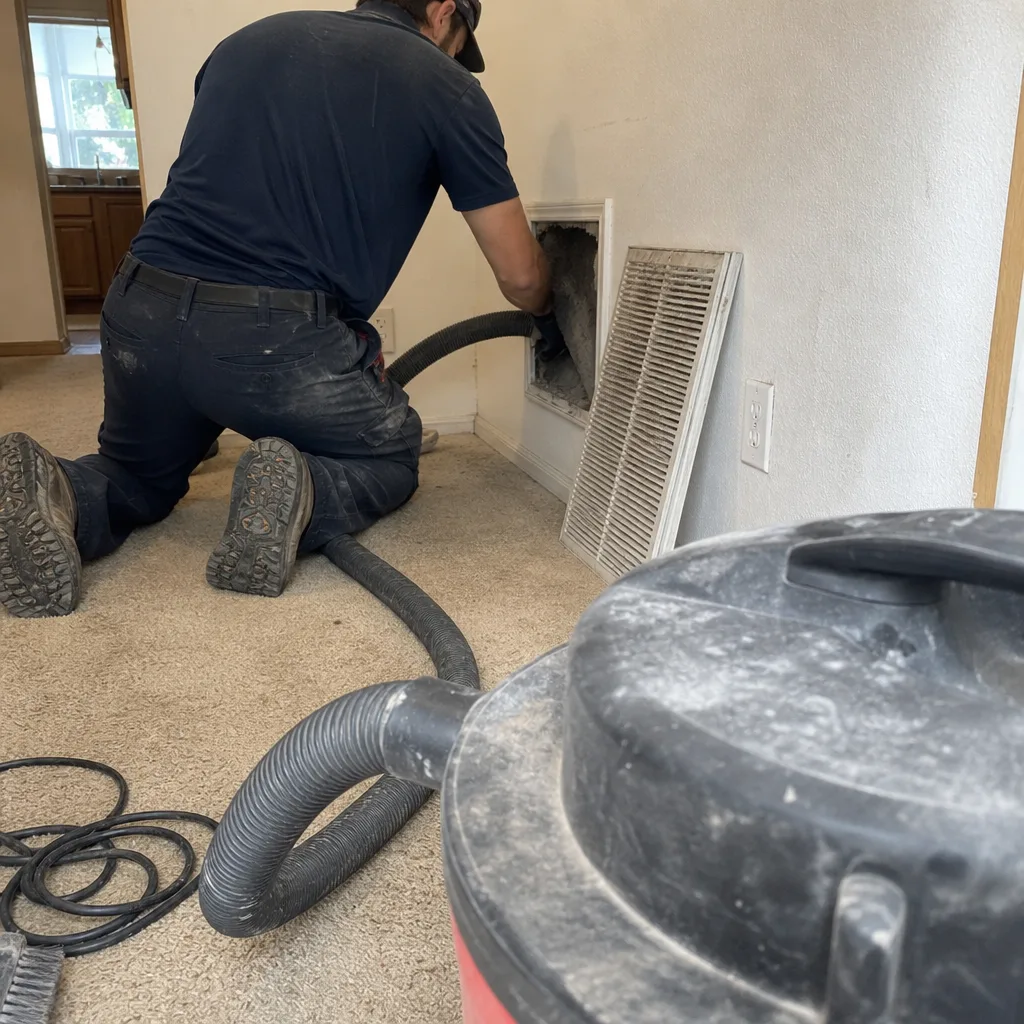 Before
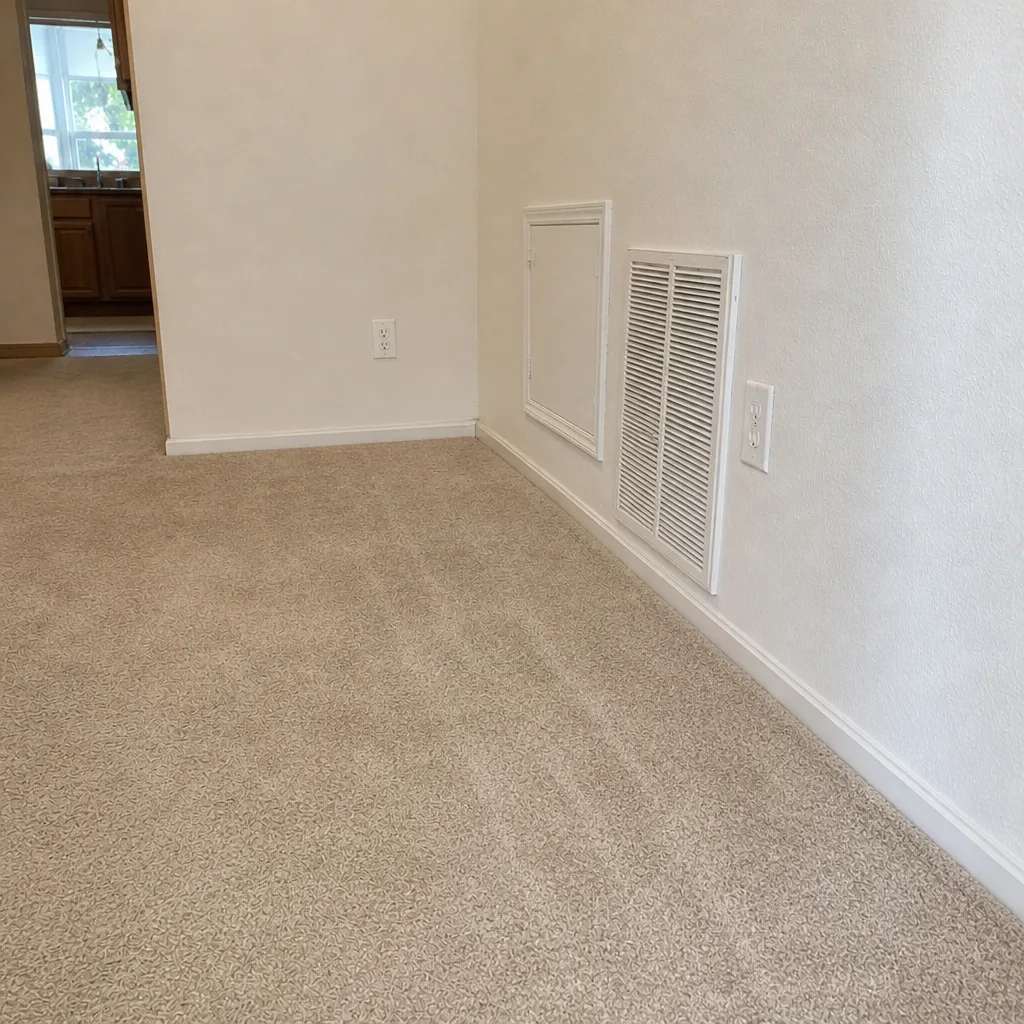 After
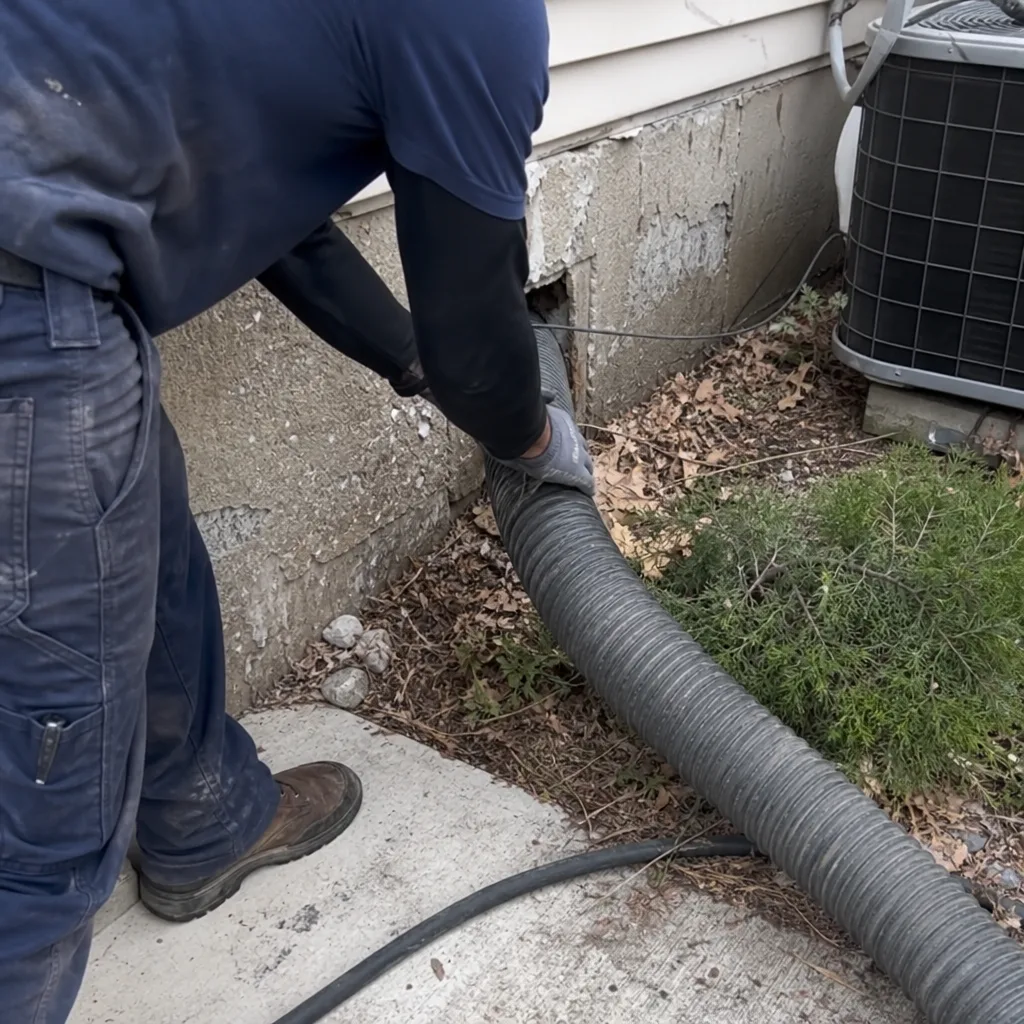 Before
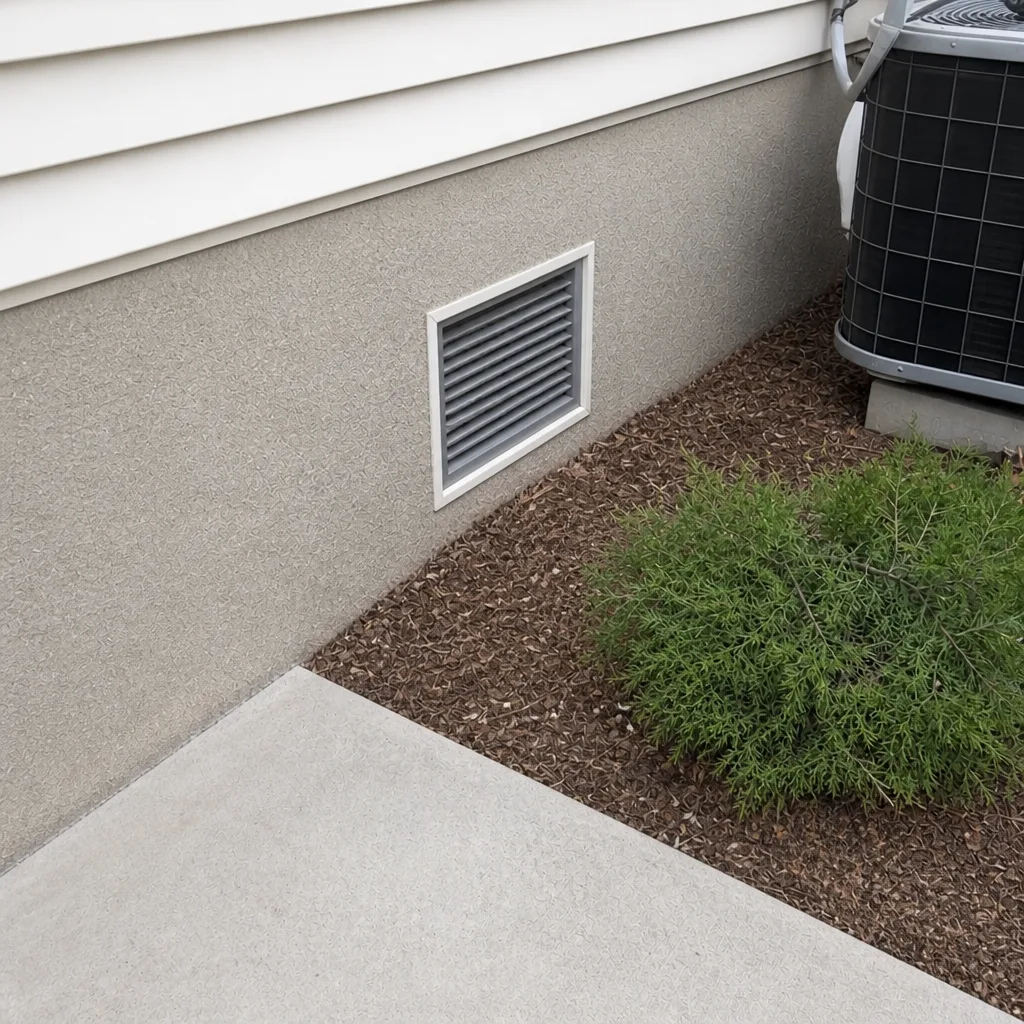 After
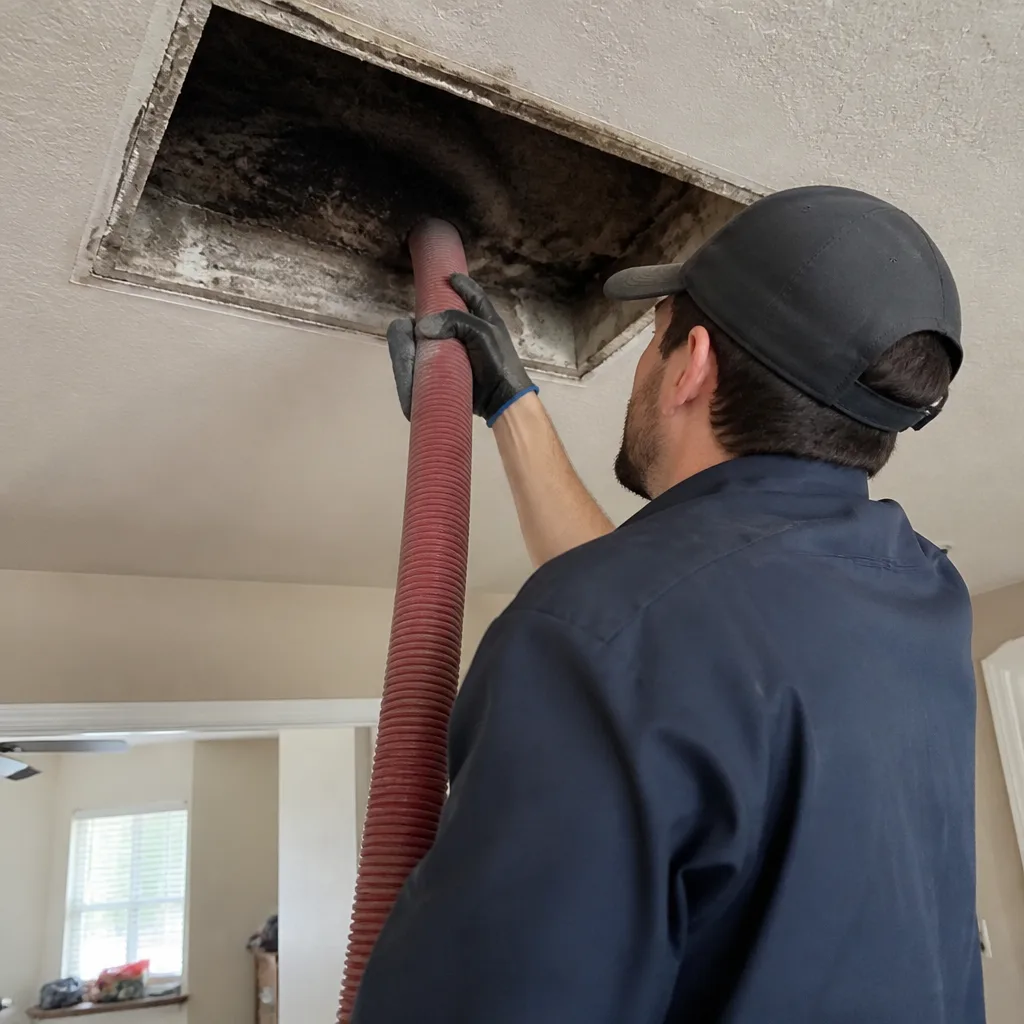 Before
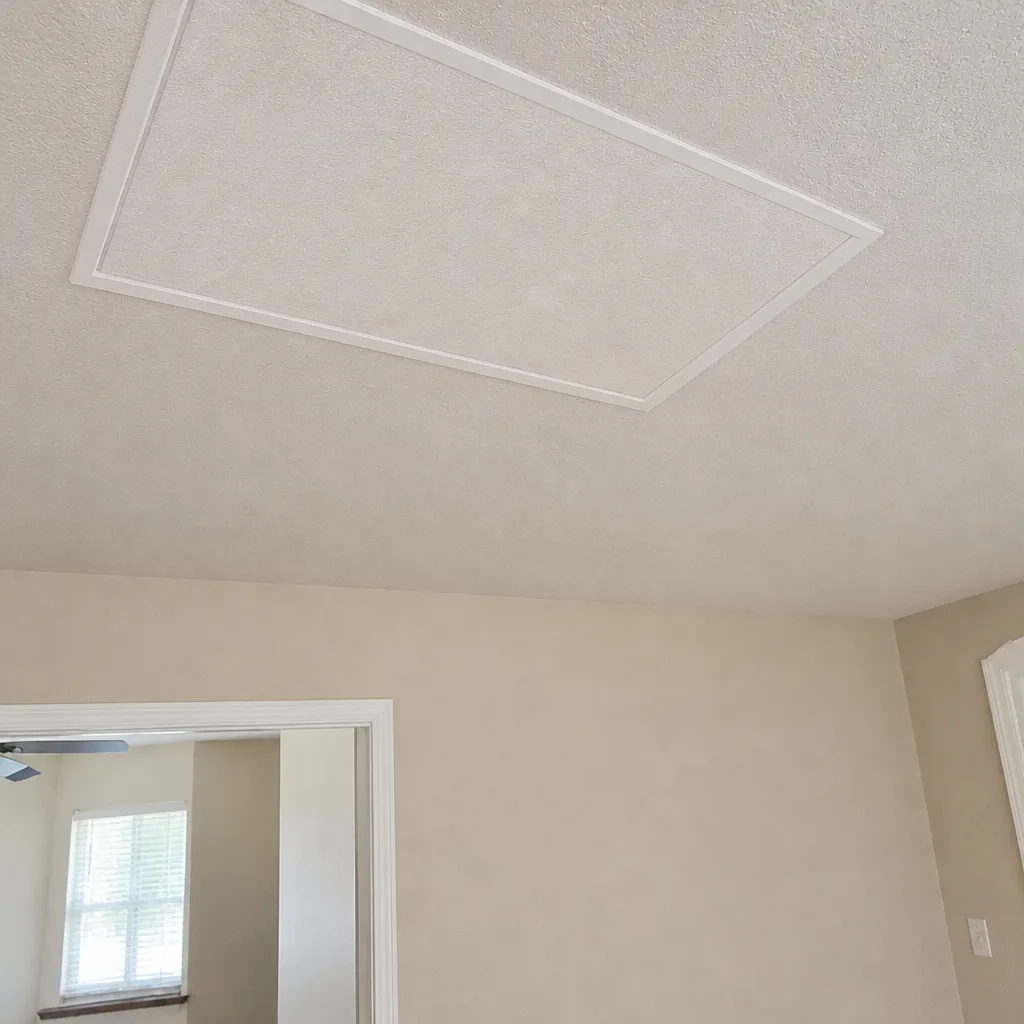 After
When to Call a Professional
Some duct problems resolve on their own with a filter change and a few days of observation. Others don’t, and knowing the line matters. Call us when any of the following is true: you smelled smoke indoors at the registers after a smoke event and it hasn’t cleared with a filter change; you had a seismic event and one room has lost noticeable airflow; you had any amount of standing water in a crawlspace or attic where duct runs through; you’re buying a Draper home and don’t have documented duct history; or anyone in the household is having allergy or asthma symptoms that started after a smoke or water event.
Draper Air Duct Cleaning offers free estimates in Draper. Call (855) 658-5334. We answer 24/7, and a call outside dispatch hours is booked into the next opening. Fast dispatch from 7am to 7pm, Sunday through Friday. Our technicians have up to 13 years of experience, and we come with Rotobrush and Nikro equipment on every job, because the machine is the difference between clean and cleaner-looking.
Frequently Asked Questions
A typical cleaning for a whole-home duct system in Draper falls in a range based on the number of runs and the extent of contamination, and a smoke or water remediation is often higher because it includes sanitizing and, in water cases, replacement of wet flex duct. We price per system, not per vent, so the written estimate sets the final price. Call (855) 658-5334 for an exact quote. Estimates are free.
Yes, in most homes, run the system with a fresh high-efficiency filter. Turn it off only if you smell smoke at the registers or see visible smoke coming from a supply vent. A running system with a good filter removes more smoke from indoor air than an off system, because natural leakage pulls smoke through window and outlet gaps either way.
It often will when the water event itself is a covered loss, such as a burst pipe. Duct remediation after a covered water loss is usually treated as part of the water damage repair, not as a separate maintenance item. Read your policy’s water damage section before you need it, and document the work with photos so the adjuster has what they need. Call (855) 658-5334 if you’d like a written estimate to submit with a claim.
You usually can’t from the living space. The most common sign is a sudden loss of airflow to one or two rooms, followed by unusual dust at the registers or a persistent smell of crawlspace or attic air when the system runs. A camera inspection is the only reliable way to confirm, and it’s worth doing after any quake you felt at home.
Usually it’s a combination of equipment and scope. A lower quote often means no HEPA-rated vacuum, no rotary contact cleaning, no negative-air containment, and no sanitizing. The work happens, but you’re paying for a surface sweep rather than a full-system clean. Ask any contractor what equipment they’ll use on your system. If they can’t name it, that tells you what you need to know.
Every three to five years is reasonable for a typical Draper home with no pets and no acute events, and more often if you have pets, allergy concerns, recent construction, or a smoke or water event in between. The emergencies in this guide are the events that reset the clock, not the maintenance intervals. Call (855) 658-5334 if you’re not sure where you are on that timeline. We can walk you through it.
The Bottom Line
Emergency preparedness for duct systems in Draper comes down to three scenarios. Seismic events separate joints you can’t see. Wildfire smoke deposits submicron particles on coils and duct walls. Water intrusion creates biological growth that only proper remediation under containment clears. Each has a different first response. Prepare now by photographing your system, finding your air handler shutoff, keeping a correctly-sized filter on hand, and saving a duct contractor’s number in your phone. When one of these events hits, you’ll know what to do in the first 24 hours, and you won’t be calling the first listing you find in the hallway at 2am. One call covers the whole system, clean, sealed, and sanitized, and the equipment is what makes it real.
Call (855) 658-5334 for a free estimate. We answer 24/7. Fast dispatch from 7am to 7pm, Sunday through Friday, closed Saturday. If you need us on a Saturday, we’re closed that day and will book you for Sunday.
Written by the team at Draper Air Duct Cleaning.