
Last updated November 23, 2026
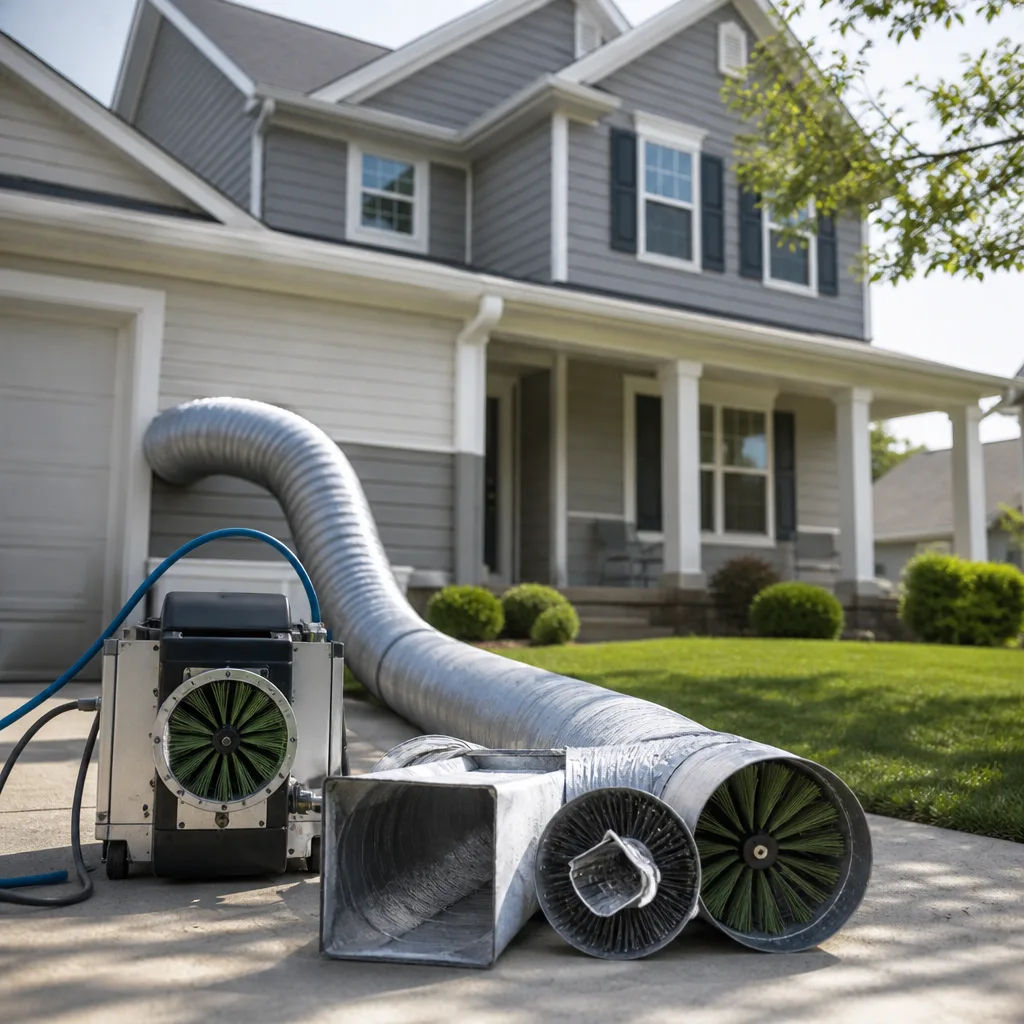 Whole-home duct cleaning
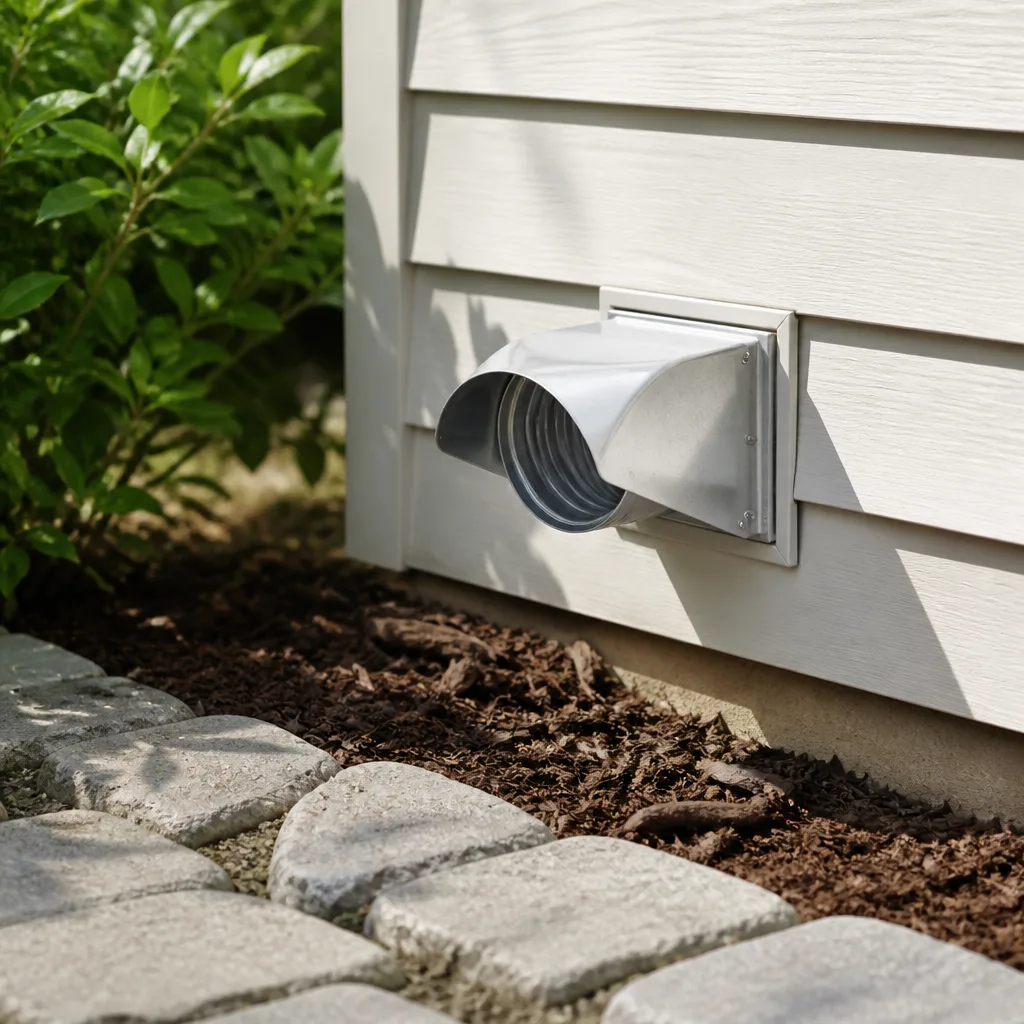 Dryer vent cleaning
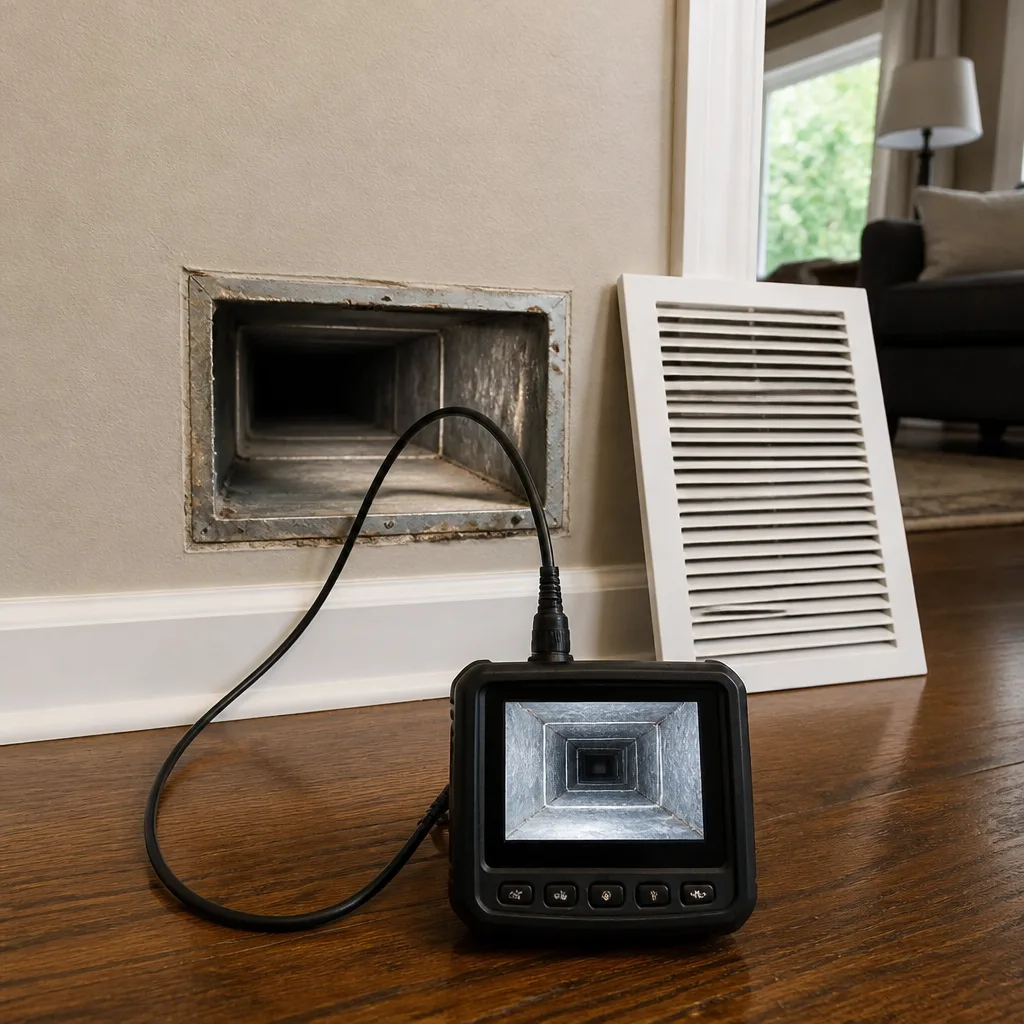 Camera inspection
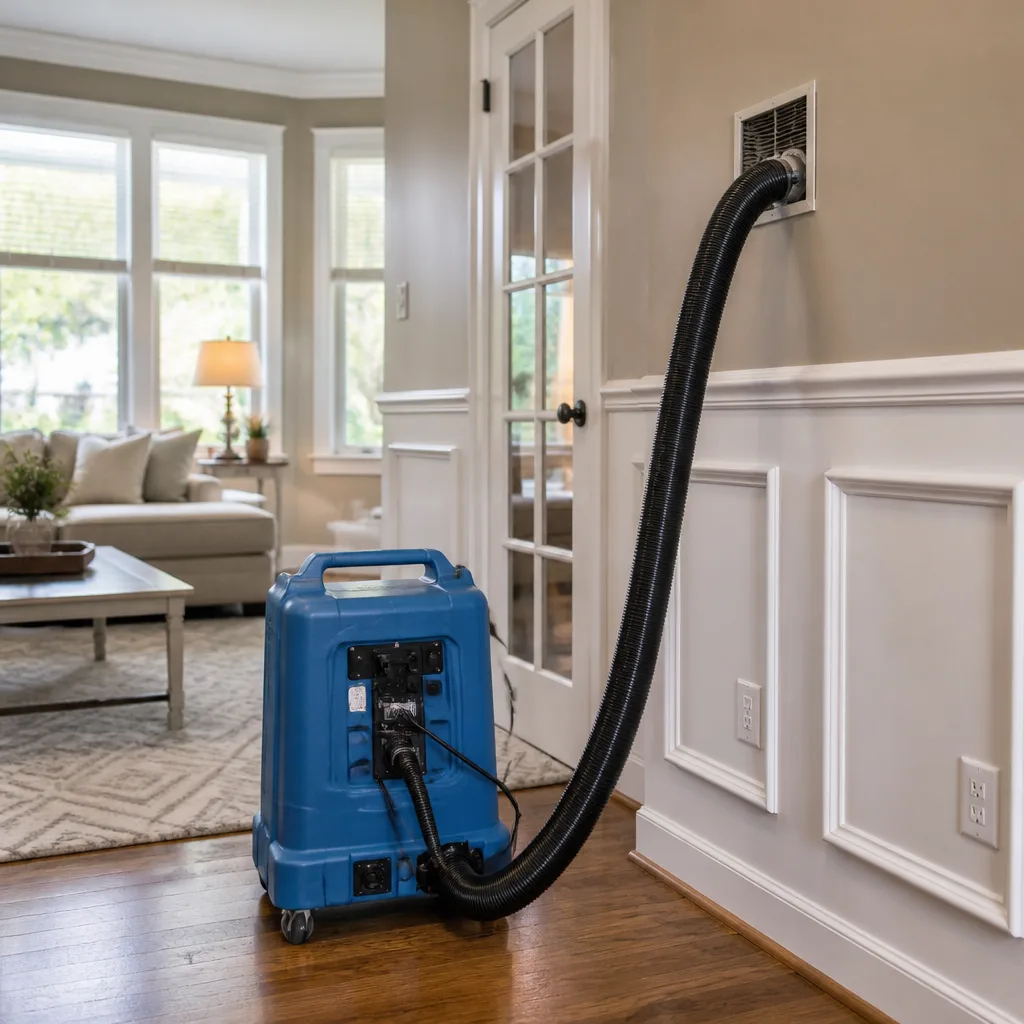 Sanitizing & deodorizing
Whole-system duct and dryer vent check with before-and-after photos - you see exactly what came out of your vents
That "$99 whole-house special" is a bait ad - the real number appears once they are in your hallway, or the "clean" is a shop-vac at the register. We photograph the inside of your ducts before and after instead.
Choosing the Right Air Duct Cleaning Brand: A Buyer’s Guide for Draper
When you book an air duct cleaning company, you’re not buying a brand – you’re buying a machine. Two contractors can carry similar company names and similar review scores, but if one arrives with a Rotobrush rotary system and a Nikro negative-pressure unit and the other arrives with a shop vac and a brush kit from a hardware store, they are not performing the same service, and your ducts will not end up in the same condition. The logo on the invoice means far less than the equipment that rolls through your door. This guide explains how professional duct cleaning equipment actually works, which platform suits which duct system, and the three questions you can ask any contractor in Draper to tell a real operator from a discount one.
Quick Answer
The right air duct cleaning brand is the one operating professional-grade, mechanically matched equipment for your duct system: rotary contact cleaning (Rotobrush) synchronized with HEPA-filtered negative-pressure containment (Nikro or Abatement Technologies). Ask any contractor in Draper what negative-pressure unit they’re bringing, its CFM rating, and whether the exhaust is HEPA-filtered. If they can’t answer all three, the equipment isn’t built for the job.
Styles & brands we work with
- Whole-home duct cleaning
- Dryer vent cleaning
- Camera inspection
- Sanitizing & deodorizing
Table of Contents
- What “Brand” Actually Means in Air Duct Cleaning
- How Rotobrush Systems Work: Rotary Contact Cleaning Explained
- Nikro and Negative-Pressure Containment: Why Filtration Matters as Much as Suction
- Abatement Technologies: Containment for Mold and Post-Renovation Jobs
- Why Consumer-Grade Equipment Can’t Meet the Standard
- Three Questions That Separate Professional Operators from Discount Ones
- Duct Systems Common in Draper Homes
- Beyond Cleaning: Sealing, Sanitizing, and Whole-Home Air Quality
What “Brand” Actually Means in Air Duct Cleaning
In most trades, brand is shorthand for reputation – a name on a sign, years of accumulated goodwill, a recognizable color on a truck. In air duct cleaning, that shorthand breaks down. The service is invisible. Nobody watches their ducts get cleaned, and nobody can inspect the result without climbing into an attic or opening a register boot. What determines the outcome isn’t the company name; it’s the equipment platform the technician operates and how well the process is executed.
Two contractors can print identical business cards and hold identical review averages, but their service is defined by very different mechanical approaches. A rotary contact-cleaning system agitates and lifts debris from duct walls with a spinning brush, then synchronized extraction pulls the loosened material into a capture unit before it settles back. A commodity approach – a shop vac with a hose stuffed into a register – disturbs debris but has neither the agitation to release it from the duct wall nor the airflow volume to carry it away. Different machines, different results, same invoice category.
For anyone searching for the best air duct cleaning company in Draper, the useful question is not “who has the best logo?” but “what equipment will be in my driveway and does it match my duct system?” That’s a question you can verify with a phone call, and it’s a far more reliable buying criterion than a star rating. As we put it to homeowners: your ducts are only as clean as the machine doing the work.
The full-system indoor air specialist approach we practice is built around this idea. Cleaning alone isn’t the finish line – clean, sealed, and sanitized is the standard. That’s why every page in our Draper Air Duct Cleaning service library describes the equipment and the scope, not just the price. For a deeper walkthrough of the core service itself, see our guide to air duct cleaning.
How Rotobrush Systems Work: Rotary Contact Cleaning Explained
Rotobrush is a rotary contact-cleaning system. The name describes the mechanism: a flexible drive shaft feeds a spinning brush head through the ductwork, and the brush physically contacts the duct wall, agitating and lifting settled debris while a simultaneous vacuum collection unit captures the loosened material at the source. The two functions run together – agitation and extraction in one pass – which is what separates contact cleaning from blowing air through a system and hoping debris comes out the other end.
Rotobrush is the equipment platform trusted by professional HVAC contractors nationwide. The mechanical logic is straightforward: dust, dander, construction debris, and other settled material cling to duct surfaces and don’t release from gentle airflow. They release when something physically disturbs them, and only at that moment can extraction pull them away. A machine that only vacuums runs on the assumption that debris will simply fall free; a machine that agitates and extracts at once runs on the assumption that it won’t. Only one of those assumptions matches how ducts actually behave.
Matching the Brush Head to the Duct System
Rotary contact cleaning isn’t one head doing every job. Systems are configured with different brush assemblies, each suited to a specific duct type:
- Flex duct – the corrugated, wire-reinforced plastic duct common in attic runs and short branch connections. It’s fragile, and aggressive brushes can tear the inner liner. A softer, smaller-diameter head works through it with controlled contact. Tearing flex is a real risk and a reason to know what equipment is coming.
- Sheet metal – rigid, rectangular trunk and branch duct. This is where rotary contact cleaning is most effective, because the head can ride the flat surfaces and drive debris forward toward the collection point.
- Fiberboard – compressed wood-fiber duct board used in some trunk construction. It’s textured and can fray if handled wrong, so the head and technique matter for keeping the duct intact while cleaning it.
When a company in Draper tells you it operates Rotobrush, the useful follow-up is: which heads, and how do you decide? The answer tells you whether they’ve actually worked across the range of duct systems in Draper’s housing stock – from older sheet metal runs to the flex-heavy installs common in newer construction.
Nikro and Negative-Pressure Containment: Why Filtration Matters as Much as Suction
Removing debris from a duct isn’t the whole job. Capturing it is. A cleaning process that dislodges contaminants without containing them doesn’t clean your home – it redistributes the material into living space. That’s why Nikro’s role in a professional cleaning is as important as the rotary system: it’s the negative-pressure and HEPA-filtration platform that keeps the air in your house from being the exhaust port.
Here’s the mechanical picture. The cleaning system pulls a vacuum on the duct network, which establishes negative pressure inside the ducts relative to the rooms. As long as the ducts stay under negative pressure, every loose contaminant is being pulled toward the collection point, not out through a register into the kitchen. The moment the system loses that pressure – undersized vacuum, leaking duct seams, or a machine with no filtration – the airflow reverses at leak points and carries debris into the conditioned space. Retaining negative pressure throughout the job is what makes it a cleaning rather than a dust event.
Nikro equipment meets NADCA-recognized standards for HVAC cleaning and HEPA filtration. HEPA-rated exhaust matters because of what it means during the work, not just after: air that passes through the machine leaves it filtered, so anything the vacuum pulls from the ducts is captured rather than ejected back into the room. For households in Draper with anyone who has allergies, asthma, or a compromised immune system, that capture spec is the single most important line item in the quoted equipment list.
We pair this with Abatement Technologies negative-air tools when a job calls for additional containment – more on that below. If you want to see how the whole process fits together, our HVAC cleaning page covers the full-system scope, from air handler to registers.
Abatement Technologies: Containment for Mold and Post-Renovation Jobs
Some jobs are cleaning jobs. Some jobs are contamination-control jobs. The difference is usually mold or post-renovation debris, and it’s the reason Abatement Technologies negative-air equipment belongs in the conversation. Where a standard cleaning assumes ordinary settled dust and dander, a contamination job assumes there may be active mold spores, fine construction dust, or both – and the priority shifts from removal speed to preventing cross-contamination.
Abatement Technologies builds containment and filtration equipment for exactly that scenario. Negative-air machines establish a pressure differential that keeps the work zone under control, and HEPA-filtered exhaust ensures that air moving out of the work area is scrubbed before it reaches the rest of the house. In a duct context, that means sealing off the serving registers and running the filtration so any dislodged spores or fine particulate are captured and filtered rather than spread through the home while cleaning is underway.
When should you ask about this before a cleaning?
- If you’ve had a recent renovation involving drywall, sawing, or sanding and debris may have entered the return system.
- If you’ve seen visible discoloration around registers, a musty smell when the system starts, or condensation inside the duct.
- If you’ve had a water event in the home – roof leak, plumbing leak, or flooding – that could have introduced moisture into duct runs.
- If anyone in the household has a documented mold sensitivity or respiratory condition.
If any of those apply in Draper, ask specifically: “Are you bringing negative-air containment and is the exhaust HEPA-filtered?” A contractor who can answer that without hesitation is operating at the contamination-control level. One who says “we’ll just vacuum it out” is not.
Why Consumer-Grade Equipment Can’t Meet the Standard
Consumer-grade duct cleaning tools – shop vacs, leaf blowers, commodity brush kits from a big-box store – share a defining limitation: they aren’t built to meet NADCA ACR specifications. Those specifications call for specific airflow (measured in cubic feet per minute, or CFM) and specific particle filtration, and neither is achievable with equipment designed for wet-vac spills and yard work. The CFM rating is not a number you can fudge; it’s a measured airflow, and a shop vac produces a fraction of what a proper negative-pressure machine produces.
Here’s a concrete way to think about it. A professional negative-pressure unit is sized to keep the whole duct network under negative pressure while also pulling enough airflow to carry loosened debris to the collection point. A shop vac connected to one register cannot put the rest of the network under negative pressure – the (typically leaky) duct seams and open registers defeat it, and the exhaust from the shop vac is unfiltered. In practice, the shop vac dislodges some material and blows the rest into the room as fine dust, which is exactly the outcome a home in Draper hired a cleaner to prevent.
Leaf blowers are worse. Blowing air into one end of a duct system moves material through the network and out wherever pressure finds a path, and a leaf blower has no filtration at all. It’s the equivalent of using a compressed-air hose to clean a room: the debris doesn’t leave, it just relocates. Commodity brush kits have a different problem – they agitate the duct wall but don’t extract what they dislodge, so the loosened material settles back onto the same surfaces once the airflow starts again.
The reason professional operators name specific equipment brands is not brand worship. It’s that the brand is shorthand for a measurable spec: rotary contact plus HEPA-filtered negative pressure, air volumes high enough to meet the standard. When a company in Draper can’t name its equipment, the equipment is usually the reason.
Three Questions That Separate Professional Operators from Discount Ones
You don’t need to be a mechanical contractor to vet a duct cleaning company. You need three questions, asked on the phone before you book. The answers tell you almost everything:
- “What negative-pressure unit will you bring, and what’s its CFM rating?” A professional operator answers immediately with a model and a figure. A discount operator says something vague like “we have a big vacuum” or “we use a truck-mounted system” without a figure. CFM is the measured airflow that keeps the ducts under negative pressure – if the number isn’t known, the pressure isn’t controlled.
- “Is the exhaust HEPA-filtered?” If the answer is no or “I’m not sure,” ask what happens to the air that comes out of the vacuum. On a proper job, that air has been filtered to remove particles. On a shop-vac job, it’s exhausted into the room.
- “What rotary or contact-cleaning equipment will you use, and how do you match it to my duct type?” The answer should reference a rotary contact system and acknowledge that flex, sheet metal, and fiberboard get handled differently. If the technician says “we just vacuum,” the ducts won’t get contact-cleaned.
We’ve seen what happens when homeowners skip those questions and book on price alone. The system gets disturbed but not cleaned, a fine layer of dust settles on surfaces afterward, and the homeowner pays for a second cleaning – often with a different company – to do the job properly. The three questions cost nothing and take two minutes.
What a Proper Equipment List Looks Like
For reference, a professional cleaning in Draper should involve equipment in these categories:
- Rotobrush rotary contact-cleaning system with appropriate heads for the duct type.
- Nikro negative-pressure unit with HEPA-rated exhaust filtration.
- Abatement Technologies negative-air tools for containment on mold or post-renovation jobs.
- Access tools – register removal, access panel cutting on sealed systems, flexible whip lines for tight runs.
- Camera and before-and-after documentation so you can see the result.
If any of those categories is missing from the contractor’s description, that’s your signal.
Duct Systems Common in Draper Homes
Draper’s housing stock spans a wide range of build eras, and the duct system in your home depends heavily on when it was built and who built it. Understanding what’s likely in your attic or crawlspace makes the equipment conversation far more useful.
Older neighborhoods closer to the Draper Town Center and the historic residential corridors tend to have sheet metal ductwork, sometimes with fiberboard trunk sections in additions or remodels. Sheet metal takes rotary contact cleaning well, but older systems often have loose seams, disconnected joints, or deteriorated duct tape that need to be addressed before cleaning can be effective. If the duct is leaking, the negative pressure leaks too, and the cleaning doesn’t hold.
Newer subdivisions on Draper’s east bench and the foothills – the SunCrest area, the residential growth along the east side – often have flex duct in the branch runs. Flex is efficient to install and works fine in service, but it’s fragile under cleaning tools. A rotary system with the wrong head can tear the inner liner, and a torn flex duct becomes a leak path that undermines both the cleaning and the system’s efficiency afterward. Ask any contractor in Draper how they handle flex before they show up.
Dry air and seasonal dust are the local operating conditions worth knowing about. Draper’s summers are dry, which means dust in the system stays dry and fine – the kind that goes airborne easily when disturbed. That’s the argument for HEPA filtration during the job rather than after. Winter heating season pushes more air through the system and more dust into circulation; a home that’s felt dustier than usual in January is often a home with a duct system that hasn’t been cleaned and sealed in a long while.
Dryer vent cleaning is a related safety item and, in Draper, one worth treating as a separate service rather than an upsell. Lint accumulation in a dryer vent is a documented residential fire-risk hazard, and the same professional-level equipment that handles duct cleaning handles dryer vent cleaning properly. See our dryer vent cleaning page for the dedicated service.
Beyond Cleaning: Sealing, Sanitizing, and Whole-Home Air Quality
Full-system air quality isn’t achieved by cleaning alone. Cleaning removes what’s in the ducts today; it doesn’t address leaky seams, disconnected joints, or the moisture conditions that let biological growth return. That’s why five distinct service categories belong together: air duct cleaning, dryer vent cleaning, HVAC cleaning, duct repair and sealing, and air quality and sanitizing. One call covers the whole system, and you’re not coordinating multiple contractors across the process.
Sealing matters more than most homeowners expect. A duct system that leaks 10 to 20 percent of its air (a common figure on older systems) means dust is being drawn in from attics and crawlspaces, and the cleaning you just paid for gets undone quickly. Sealing the seams after cleaning stabilizes the result. The same logic applies to sanitizing. Once the ducts are clean and sealed, sanitizing targets the surfaces where mold, mildew, or bacteria could reestablish, particularly if there’s been a moisture event or the home has allergy-sensitive occupants. It’s a specialized outcome, not just cleaner ducts.
Whole-home air quality products are where Honeywell and Aprilaire come in. Those product lines give us a way to recommend and support filtration and humidity solutions that work alongside the duct system rather than in isolation. Air quality you can verify means indoor air that gets measurably better, backed by the equipment and the documentation to show what was cleaned, sealed, and improved.
Our technicians have up to 13 years of experience working with these systems, and the local professional we connect you with is licensed and insured as their state requires. Every job is quoted as one flat price per system agreed before work starts, with before-and-after photos of your own ducts so you can see the result.
Common Mistakes to Avoid
- Booking on price alone. A quote that’s far below the range of other Draper companies usually reflects a smaller machine and a shorter process. Two minutes of questions about equipment will show you why.
- Assuming “we clean ducts” means contact cleaning. Many discount operators vacuum the register boots and call it done. Ask specifically whether they use rotary contact equipment and how they match heads to your duct type.
- Skipping the negative-pressure question. Cleaning without HEPA-filtered negative pressure redistributes dust into your living space. In a dry-climate home, that fine dust is exactly what goes airborne.
- Cleaning a leaking system without sealing it. If ducts leak, the cleaning result decays within months. Ask whether the quoted service includes inspection for leaks and joint condition.
- Treating the dryer vent as an afterthought. Lint buildup is a documented fire hazard, and it deserves its own dedicated service rather than being “included” as an upsell from a duct cleaning.
- Not asking for before-and-after photos. A picture of your own ducts is the difference between a promise and evidence. Ask for photos as part of the quote.
- Assuming a national franchise guarantees better equipment. Equipment matters more than brand name. A local operator with the right platform outperforms a franchise running a shop vac any day in Draper.
See the difference
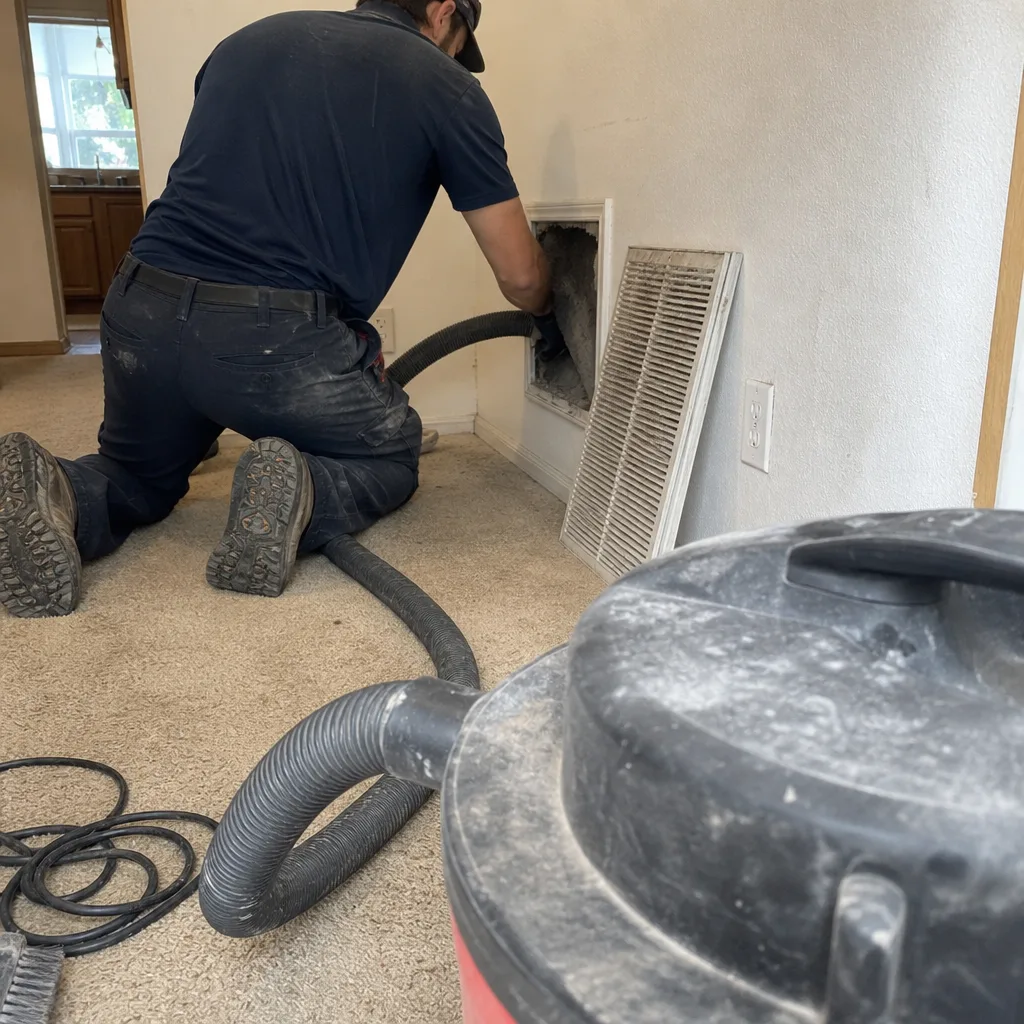 Before
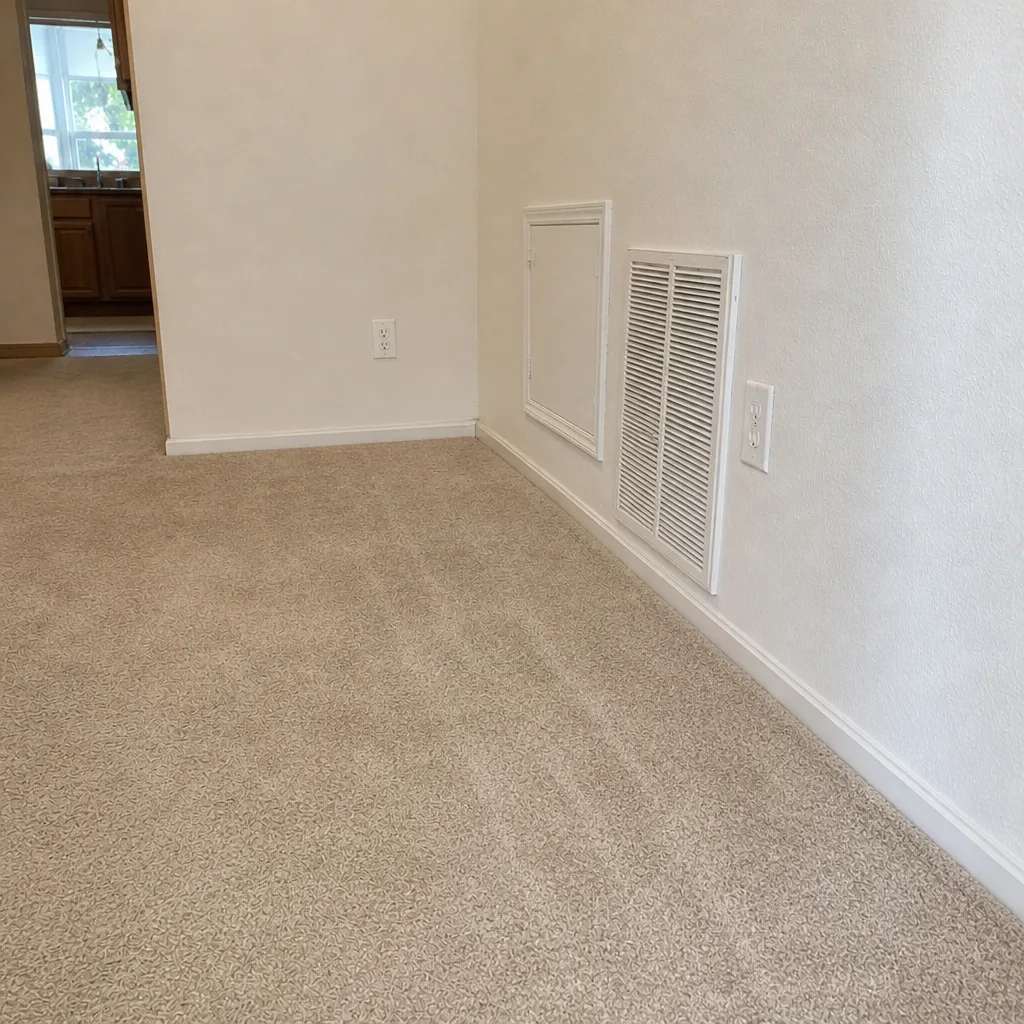 After
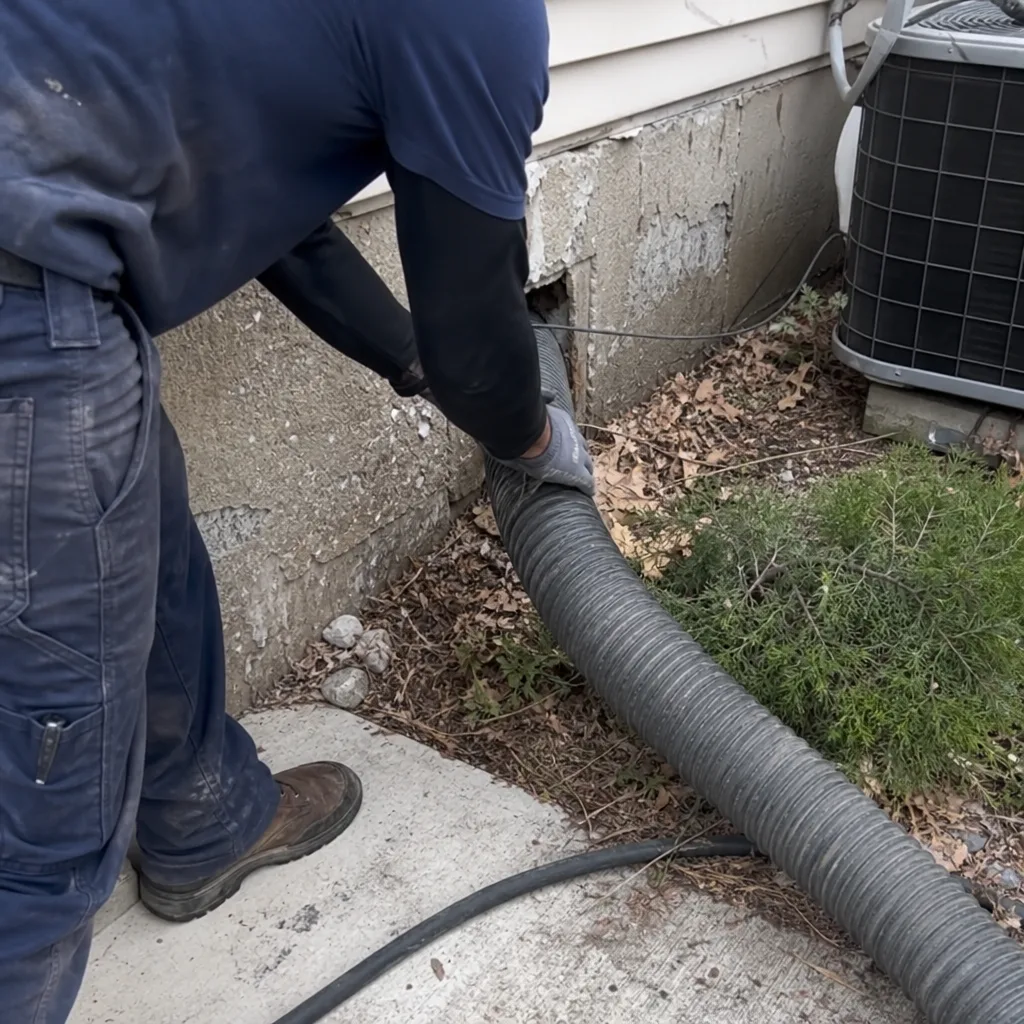 Before
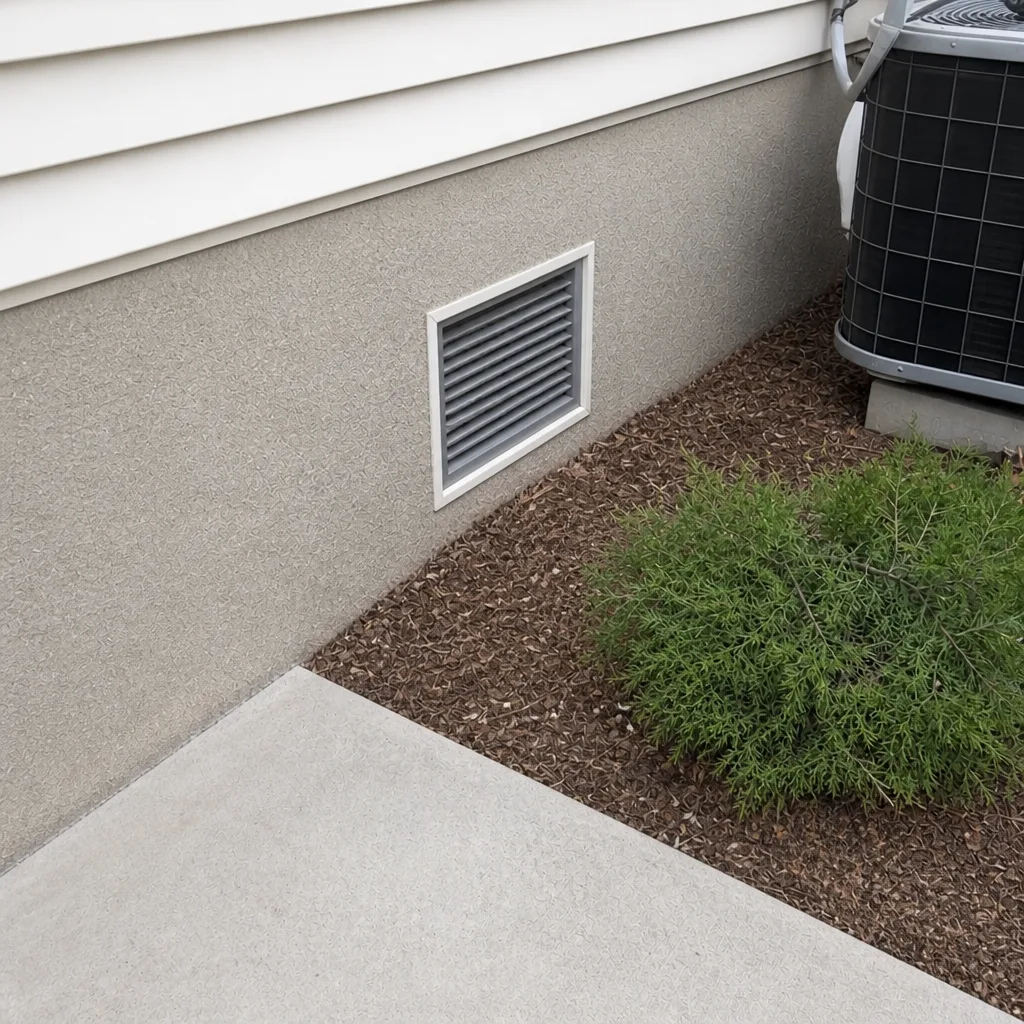 After
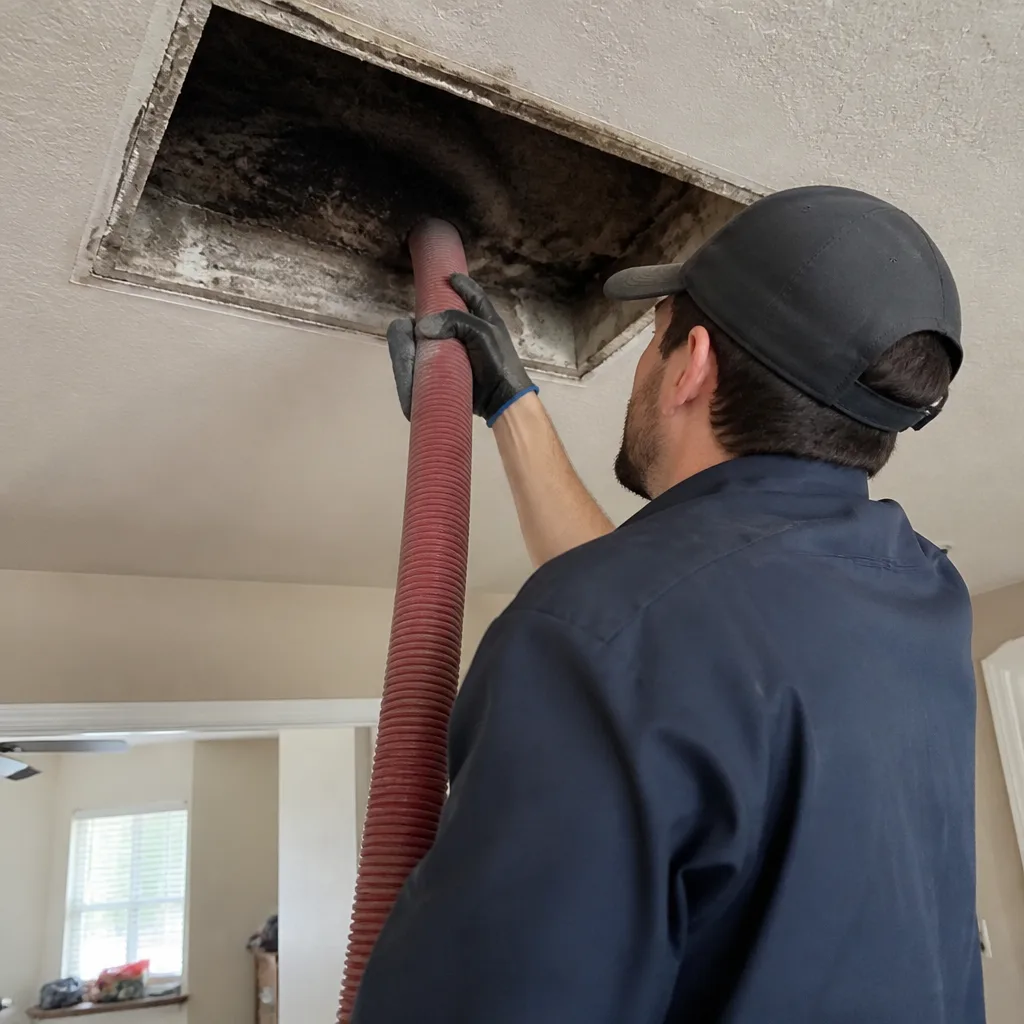 Before
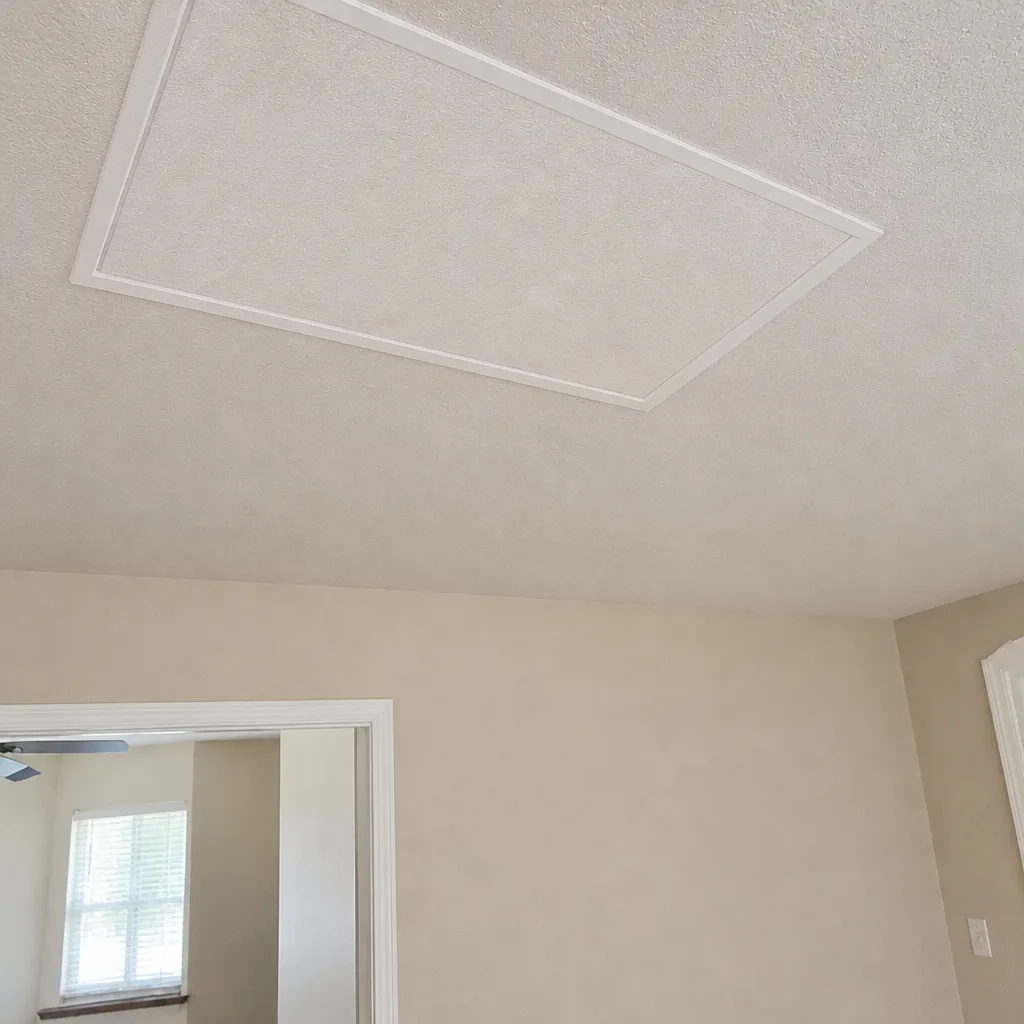 After
When to Call a Professional
You don’t need an annual duct cleaning. You do need one when the system shows signs that it’s overdue. Common signals include visible dust accumulating around registers within a week of cleaning the room, a musty or stale smell when the HVAC system first starts running, a recent renovation or water event, a household member with worsening allergy or asthma symptoms, or a new home purchase where the previous owner’s maintenance history is unknown. Dryer vents deserve attention on their own schedule – if a load of laundry now takes noticeably longer to dry than it used to, that’s a lint buildup signal worth checking. Some jobs are more than housekeeping: if you smell gas, see charring, or notice a burning smell from an air handler or dryer, stop the equipment, leave the area, and call the appropriate utility or emergency line before scheduling any cleaning. For duct maintenance and dryer vent work, Draper Air Duct Cleaning offers free estimates in Draper. Call (855) 658-5334. We answer 24/7. Fast dispatch from 7am to 7pm, Sunday through Friday.
Frequently Asked Questions
Choose by equipment, not logo. Ask three questions: what negative-pressure unit is coming and what’s its CFM rating, is the exhaust HEPA-filtered, and what rotary contact-cleaning equipment will be used. If the contractor answers all three with specifics, you’re talking to a professional operator. If not, keep calling.
Rotary contact cleaning physically agitates debris off the duct wall with a spinning brush while simultaneously extracting it with a vacuum. Ordinary vacuuming pulls only what’s already loose and leaves the rest adhered to the surface. The agitation is what releases the settled material; a vacuum alone can’t do that.
Yes. Without HEPA-filtered exhaust, the vacuum pulls contaminants out of the ducts and discharges unfiltered air back into your home. HEPA-rated filtration on the exhaust is what ensures the debris ends up in the collection unit rather than in your living space. This matters especially for households with allergy or asthma concerns.
Yes, with the right head configuration. Flex duct’s inner liner is reinforced but can tear if an aggressive brush is used. A rotary system with a properly sized, softer head works through flex duct with controlled contact. Ask any contractor how they handle flex before they arrive.
Not always. Standard cleanings work with a HEPA-filtered negative-pressure unit establishing system-wide negative pressure. Abatement Technologies negative-air containment becomes the right approach when there’s mold, recent renovation debris, or a water event involved. Ask what your specific job requires, and if those conditions apply, make sure containment is part of the quoted scope.
Pricing is per job by written estimate, and the estimate is free. The quote depends on the size of the system, the duct types present, how much contamination is in the system, and whether sealing or sanitizing is included. We quote one flat price per system agreed before work starts, with before-and-after photos of your own ducts. Call (855) 658-5334 for an exact quote. We answer 24/7. Fast dispatch from 7am to 7pm, Sunday through Friday.
The Bottom Line
The brand that matters in air duct cleaning is the equipment platform, not the logo. Rotobrush delivers rotary contact cleaning that actually releases settled debris from duct walls. Nikro provides HEPA-filtered negative pressure that captures what’s loosened instead of redistributing it. Abatement Technologies adds contamination control for mold and post-renovation jobs. Consumer-grade tools can’t meet NADCA-recognized standards, and a company that can’t name its equipment usually can’t meet them either. Ask the three verification questions before you book. One call covers cleaning, sealing, and sanitizing, and the local professional we connect you with is licensed and insured as their state requires. For a free estimate in Draper, call (855) 658-5334.
Written by the team at Draper Air Duct Cleaning.